Southern Lakes Sanctuary
Imagine a sanctuary so massive it covers 850,000 hectares of tall mountains, deep valleys, rushing rivers, and giant lakes. That’s the Southern Lakes Sanctuary—one of the biggest and boldest conservation projects in Aotearoa.
Teamwork
For years, hundreds of local legends (aka volunteers) worked hard to protect the region's natural taonga |treasures. Eventually, conservation teams asked a big question: Can we achieve more together than we can alone?
The answer was a resounding yes! Six major conservation groups joined forces, bringing together over 100 community groups, local businesses, and landowners to create the Southern Lakes Sanctuary team.
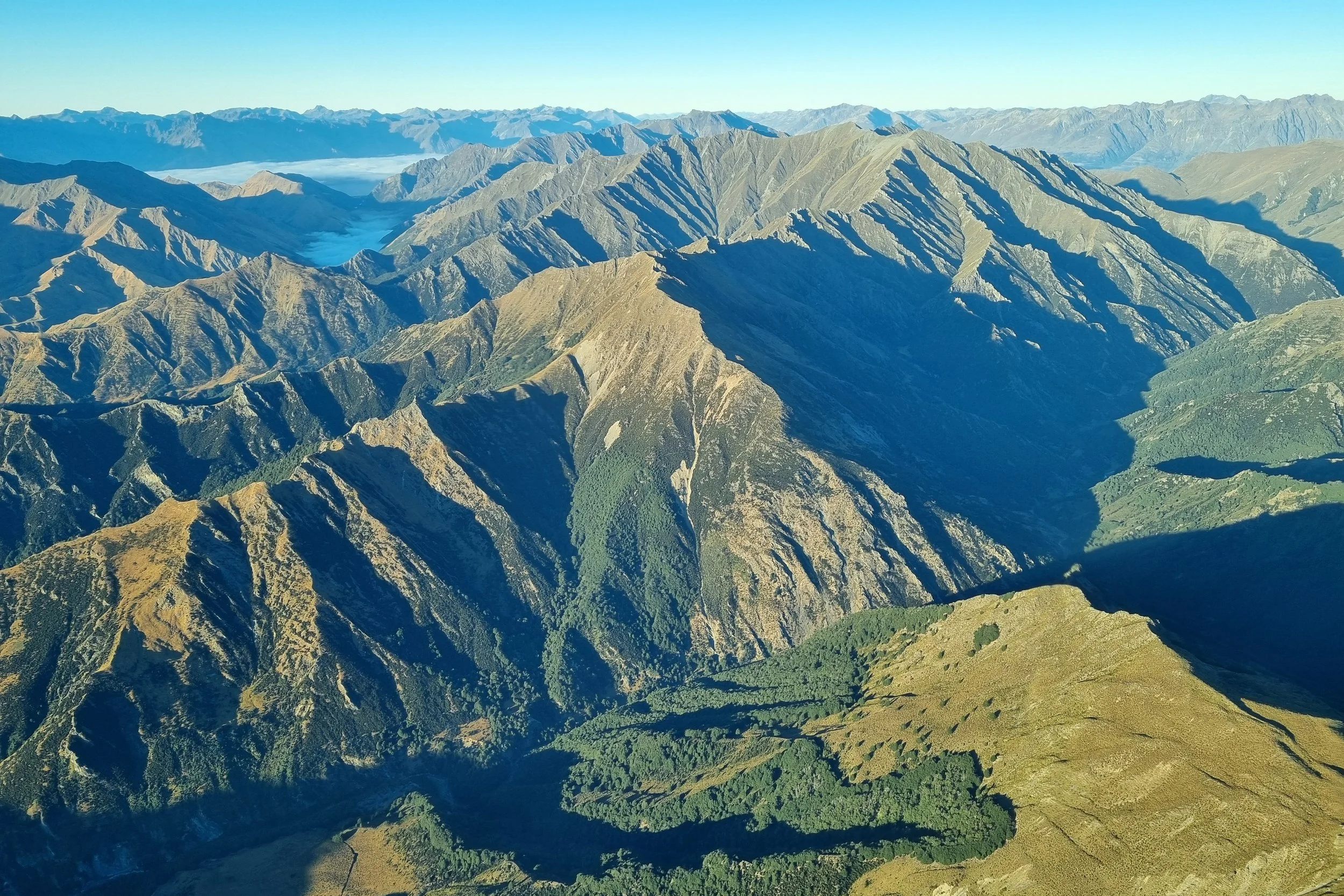
Southern Lakes Sanctuary covers 850,000 hectares. Image: LEARNZ.
The mission
This isn’t just about protecting what’s left—it’s about helping native wildlife stage a comeback. The game plan focuses on:
Controlling introduced predators
Helping endangered species recover and thrive
Tracking and researching local wildlife
Getting the whole community involved to guard our native taonga
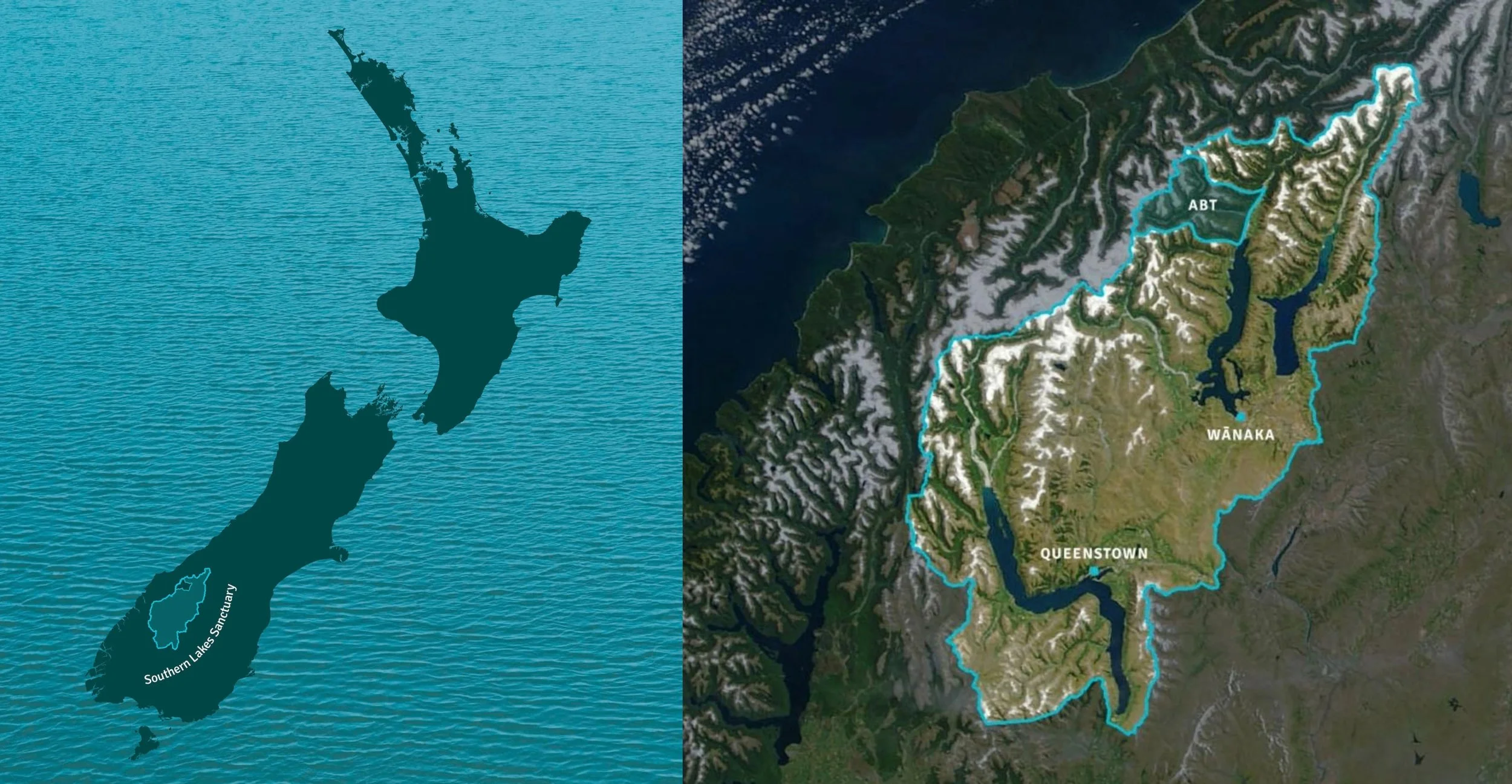
The Southern Lakes Sanctuary project area. Image: SLS.
A sanctuary without fences
Unlike traditional sanctuaries, this one has no fences. Instead, giant mountain peaks, deep lakes, and wide rivers act as natural barriers against pests. With ongoing predator control, these natural defences turn the landscape into a sanctuary for wildlife.
Why is the Southern Lakes Region so special?
Tucked away in these landscapes are rare endemic creatures found nowhere else in the world.
Part of the sanctuary sits inside Te Wāhipounamu, a UNESCO World Heritage site recognised globally for its breathtaking beauty and ecological importance.
It covers large parts of Tititea | Mt Aspiring National Park—the third-largest national park in Aotearoa —providing high-quality habitats for ancient species.
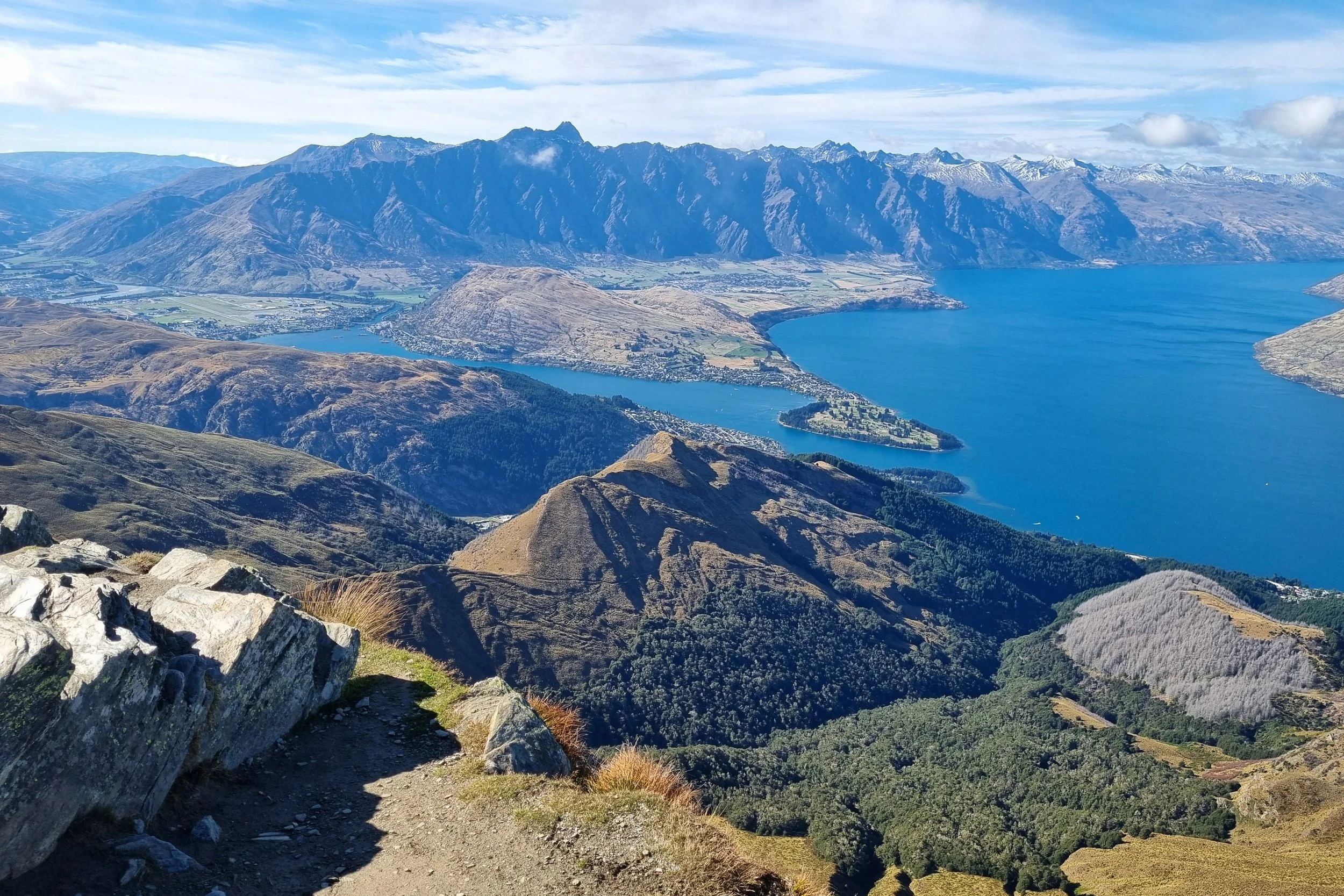
Southern Lakes Sanctuary includes a variety of habitats that support high biodiversity. Image: LEARNZ.
Significance to Māori
Long ago, the explorer Rākaihautū arrived in Te Waipounamu on his voyaging waka, Uruao, using his kō | digging stick) to dig out the region’s massive lakes. His people, the Waitaha, settled the land around 1250 AD. Over time, other tribes—Kāti Māmoe and Ngāi Tahu—arrived and eventually merged into one tribe: Ngāi Tahu.
The Whakatipu and surrounding lake areas (like Wānaka and Hāwea) became key seasonal spots. Iwi travelled here to hunt, gather food, and collect valuable pounamu (greenstone), leaving campsites and settlements across the whenua.
This region is home to more than 33 at-risk species. A variety of habitats support this high level of biodiversity, including:
Alpine areas: High up in the snow, you’ll find species such as the cheeky kea, tiny pīwauwau | rock wrens and giant wētā
Braided Rivers: Stony riverbeds shelter unique birds like the ngutu pare | wrybill and pohowera | banded dotterel.
Beech Forests: Lush native forests echo with the calls of mohua and kākā.
It’s also home to the pekapeka | long-tailed bat—one of only two native land mammals and awesome reptiles.