

Ōtūmoetai Pā
Layers of our past; guardians of our future
About this field trip
Keeping our places and stories alive is integral to our whakapapa and national identity. It also provides a way to understand our history, different generations and our diverse cultures, traditions, and communities.
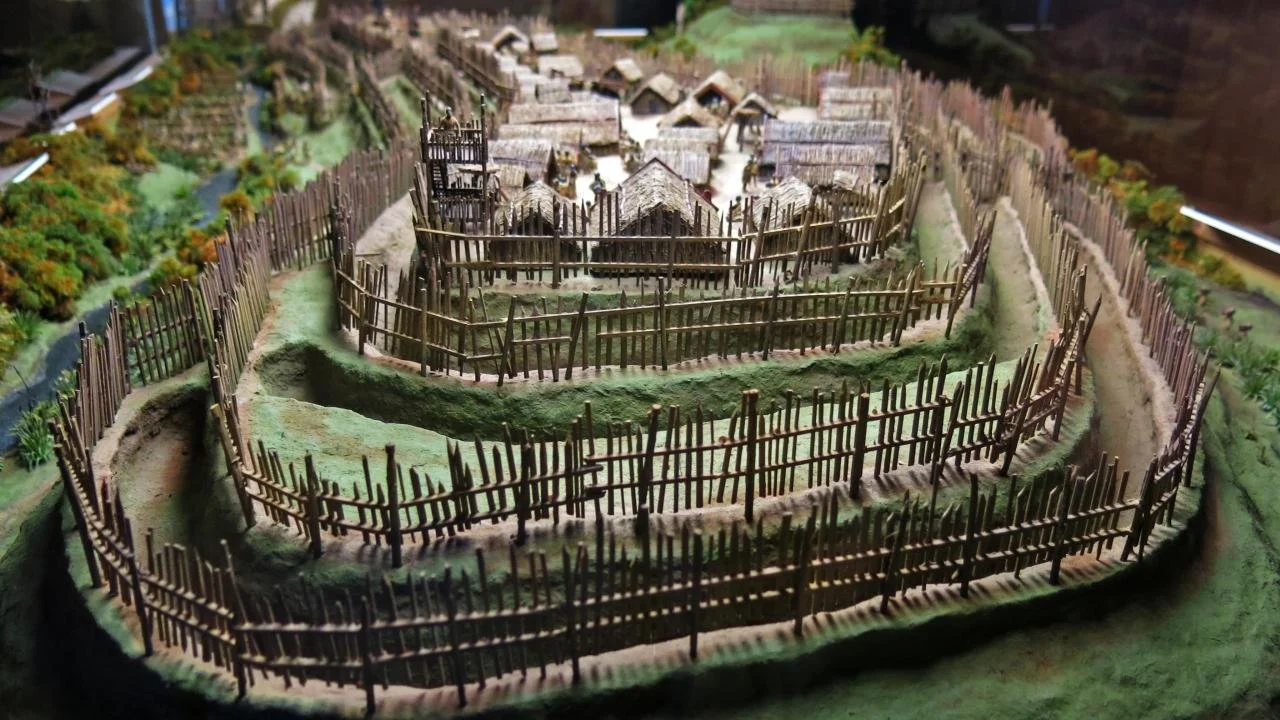
On this virtual field trip we will visit Ōtūmoetai Pā, Tauranga’s historic capital. It was the most significantly populated site in the Western Bay of Plenty between 1600–1865. The Pā was considered the ‘main stronghold’ of Tauranga Māori and was never taken by enemies. As it was situated on land confiscated by the government after the New Zealand Wars of 1864, the people who lived at Ōtūmoetai Pā were forced to leave their ancestral home.
A sliver of the Pā is now a public reserve. Extensive archaeology on the site has uncovered a range of taonga and artefacts. The story and wairua of Ōtūmoetai Pā lives on.
Objective
To explore the significance of historic places such as Ōtūmoetai Pā, learn how archaeology helps to piece together stories of the past, and understand the value of connecting with our histories.
Key learning
Hear from mana whenua who whakapapa to the early inhabitants and tūpuna of Ōtūmoetai Pā.
Find out from archaeologists how the past is uncovered from layers in the whenua and the importance of kaitiaki during this process.
Discover how taonga and artefacts are found and preserved and what they can teach us about the past.
Investigate the key role Heritage New Zealand Pouhere Taonga plays in the regulation and preservation of ancestral sites such as Ōtūmoetai Pā.
Curriculum alignment
This virtual field trip aligns with Te Mātaiaho | New Zealand Curriculum refresh, (2022) incorporating learning areas such as Science and Social Sciences. Access guidance to support the integration of mātauranga Māori and history education in alignment with curriculum goals.
Educator guide
This curriculum guide supports teachers in delivering an integrated unit of learning across curriculum areas, using Ōtumoetai Pa virtual field trip as a key learning experience.
Key curriculum themes and concepts
Mana whenua and mātauranga Māori
Integrating perspectives of mana whenua to deepen understanding of the history and significance of Ōtūmoetai Pā.
Exploring how mātauranga Māori and tikanga are interwoven with archaeological practices.
Guardianship
Learning the role of kaitiaki in protecting taonga, archaeological sites, and historical knowledge.
National identity and whakapapa
Understanding how Ōtūmoetai Pā and similar sites contribute to local, regional, and national identity.
Science and technology in archaeology
Investigating the tools and techniques used in archaeology to uncover and preserve history.
Ethical engagement with history
Exploring respectful ways to engage with and interpret historical narratives, archaeology and artefacts.
Learning areas and relevant objectives
-
Focus: Explore how the past has shaped identity and society.
Achievement objectives:
Explore how historic sites like Ōtūmoetai Pā embody connections to the land, cultural identity, and heritage, and how they help explain relationships between people, places, and events over time.
Understand how people remember and interpret history, reflecting the values, identities, and worldviews of individuals and groups (for example, mana whenua perspectives on Ōtūmoetai Pā).
Investigate the impact of significant historical events and changes, such as the New Zealand Wars and land confiscations, on local and national identity.
Examine how cultural and heritage preservation, through the work of kaitiaki and institutions like Heritage New Zealand, maintains connections to whakapapa and community history.
Explore how knowledge is preserved and shared, including oral traditions, artefacts, and written records.
Formulate questions about Ōtūmoetai Pā and its significance (for example, What can artefacts tell us about daily life at the Pā?).
Gather and analyse evidence from diverse sources, including archaeological reports, oral histories, and taonga.
Evaluate the ethical considerations of archaeology, including the handling and interpretation of taonga.
Consider diverse perspectives, including mana whenua and governmental approaches to heritage preservation.
-
Focus: Archaeology as an intersection of science and culture.
Living World (Te Ao Tūroa)
Ecological interactions:
Explore how early inhabitants at Ōtūmoetai Pā used natural resources sustainably, such as fishing, planting, and gathering.
Investigate the relationships between people and the environment in shaping the landscape of the Pā (for example, terrace construction, use of native plants).
Adaptation and survival:
Study how the Pā's fortifications and resource management were adapted to the local environment to support the community's survival.
Material World (Te Ao Kiko)
Properties and changes of materials:
Analyse materials used in artefacts (for example, pounamu, bone, shell) and understand how their properties influenced their use.
Explore how environmental factors (for example, moisture, temperature) affect the preservation of artefacts and structures over time.
Chemical interactions:
Learn about the processes used in preserving artefacts, such as storage and stabilisation treatments.
Physical World (Te Ao Pūtaiao)
Forces and energy:
Investigate how forces, such as erosion and earthquakes, impact archaeological sites and artefact preservation.
Understand the role of physical tools and methods, such as ground-penetrating radar or LiDAR, in studying site features.
Earth and Space Science (Te Ao Mārama)
Earth systems:
Study soil composition and stratigraphy to understand how layers of sediment reveal timelines and human activity at Ōtūmoetai Pā.
Examine the natural processes (for example, erosion, deposition) that shape landscapes and affect the visibility of historic sites.
Nature of Science (Te Māramatanga o te Pūtaiao)
Investigating in science:
Use scientific methods to explore evidence, such as measuring soil samples, analysing artefacts, or studying environmental data.
Communicating in science:
Present scientific findings related to the archaeology, regulation and preservation of Ōtūmoetai Pā in a way that integrates cultural and historical narratives.
Participating and contributing:
Consider the societal impacts of science in archaeology, such as how findings contribute to cultural heritage and decision-making about preservation.
-
Focus: Using creative expression to explore historical connections.
Achievement objectives:
Explore how taonga and artefacts can inspire creative works, helping to convey the significance of ancestral heritage and cultural identity.
Use storytelling, visual arts, or performance to communicate the narratives of Ōtūmoetai Pā.
-
Focus: Communicating ideas and insights about history.
Achievement objectives:
Research and synthesise information about historic places and their stories, presenting findings through writing, speaking, or multimedia.
Understand and use language that reflects cultural narratives, such as whakapapa, wairua, and kaitiakitanga.
-
Nature of Technology
Examine ethical considerations and the impact of technology on cultural heritage, including how taonga are shared or digitised.
Technological Practice
Develop and implement solutions to represent or preserve aspects of Ōtūmoetai Pā.
Technological Knowledge
Understand the properties and suitability of various tools and techniques in studying and conserving taonga.

This trip reflects the United Nations Sustainable Development Goals (SDGs), especially Goal 11: Sustainable Cities and Communities: 11.4 Strengthen efforts to protect and safeguard the world’s cultural and natural heritage.
Discover more
Select a topic, image or Read more link for background information, images, narrations, and kupu Māori | keywords for each topic.
Look through the trip glossary.
Exploring the past
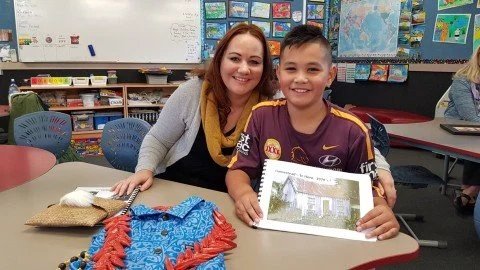
You can find heritage all around you, in places to visit and explore, things to see and do, activities to observe and experience, and people to watch and listen to.
Valuing our past
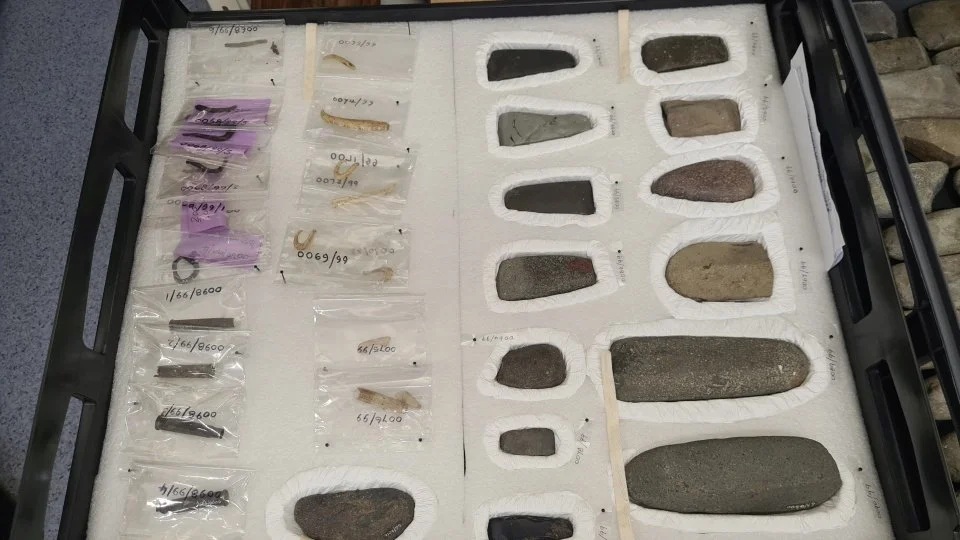
What we inherit from our past is known as heritage. You could say it is something of value that has been passed down by families or other groups over many years.
Archaeology: Uncovering layers of our past
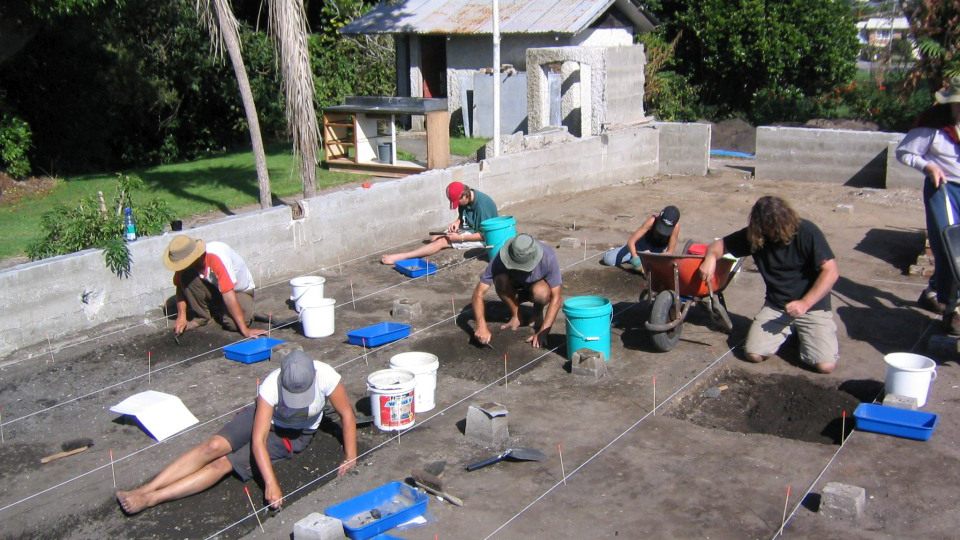
Archaeology is like being a detective for history. It’s the study of how people lived in the past by digging up and examining objects they left behind.
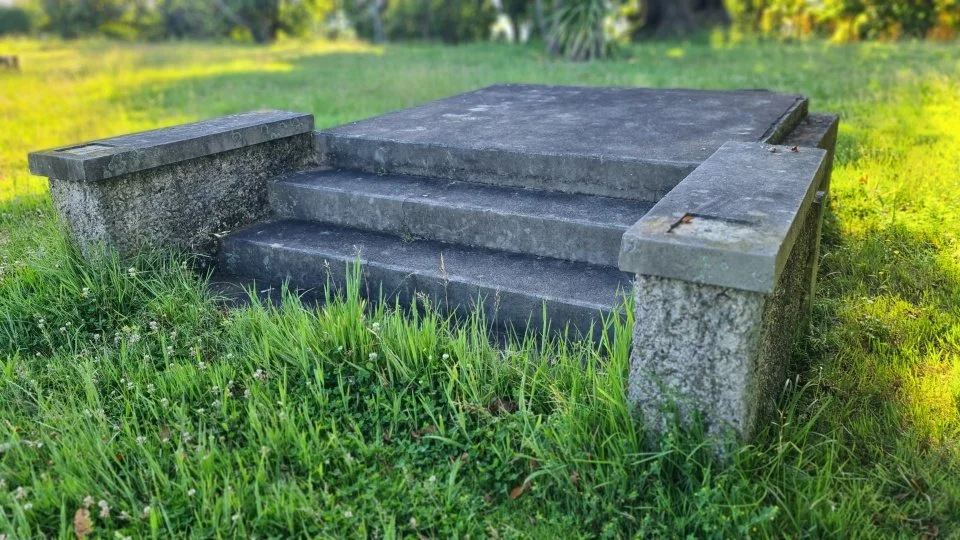
Protecting and managing archaeological sites
Heritage New Zealand Pouhere Taonga is a good place to find information about the protection of archaeological sites.
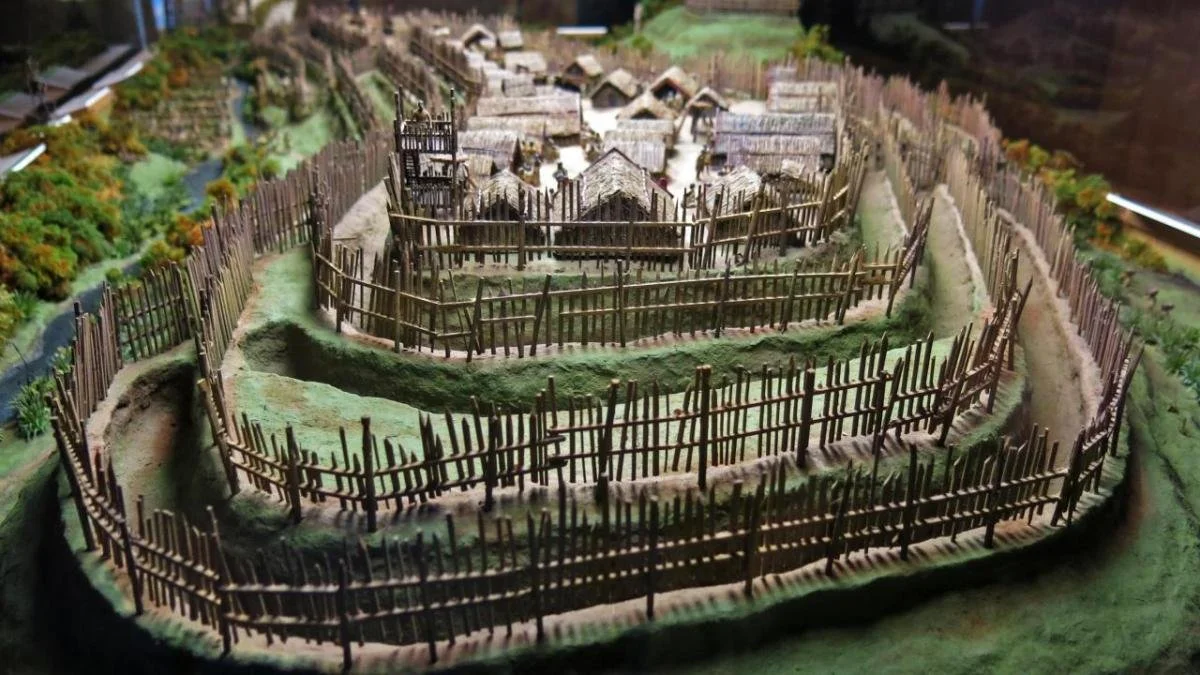
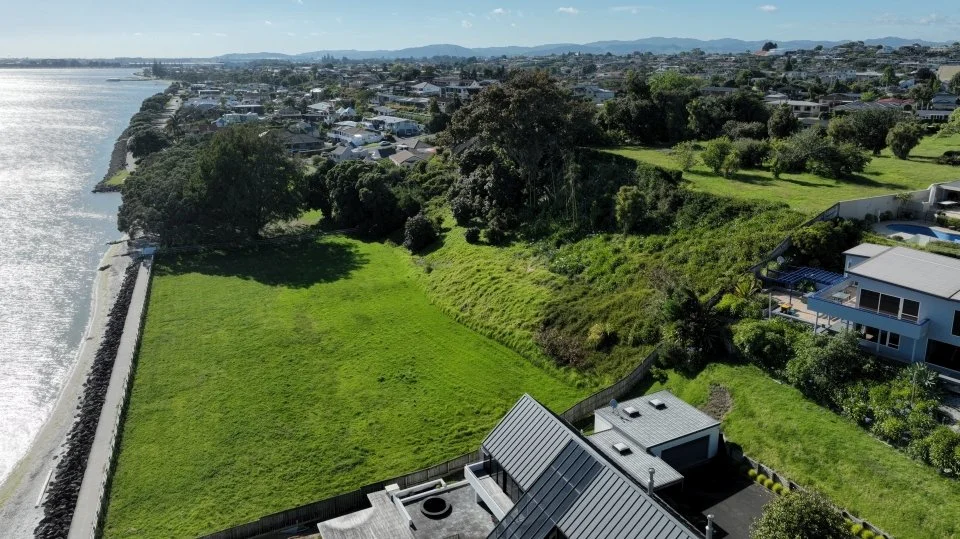
Ōtūmoetai Pā: A stronghold of history
Ōtūmoetai Pā was one of the most important and heavily populated sites in Tauranga.
Connect with field trip experts
Insights into people and their careers.
Meet Koro Des – The whakapapa of Koro Des Tata (Ngāi Tamarāwaho) extends back to the original Ngāi Te Rangi and Ngāti Ranginui rangatira of Ōtūmoetai Pā.
Meet Ken – Ken has been an archaeologist for over 30 years. He led the archaeological excavation at Ōtūmoetai Pā.
Meet Barry, Ngāi Tamarāwaho, Barry has whakapapa that connects to the original Ngāi Te Rangi and Ngāti Ranginui rangatira of Ōtūmoetai Pā.
Meet Dean – Te Pou Ārahi at the Tauranga Heritage Collection.
Meet Te Haana – a Pouārahi at Heritage New Zealand Pouhere Taonga Lower Northern Area Office.
Meet Rachel – the senior archaeologist at Heritage New Zealand Pouhere Taonga Lower Northern Area Office.
Meet Eleanor – an archaeologist at Heritage New Zealand Pouhere Taonga Lower Northern Area Office.
Field trip videos
Welcome to Ōtūmoetai Pā
In this video, Koro Des welcomes us with a short mihi to Ōtūmoetai Pā. Following that, we hear some of Koro Des's knowledge of the early inhabitants of Ōtūmoetai Pā and why he is so passionate about it becoming an historic reserve.
What does Ōtūmoetai mean?
What did Alistair Matheson do with this part of the land he owned?
What does Koro Des like about having this piece of Ōtūmoetai Pā as a reserve?
Archaeology on Ōtūmoetai Pā
Ōtūmoetai Pā was occupied for hundreds of years. It was a site of early settlement by Māori and was the most intensely populated area of Tauranga when Europeans arrived. This video explores the complex nature of the archaeology of the pā.
What makes Ōtūmoetai Pā such an amazing archaeological resource?
Why might there be more archaeological excavations done in the Ōtūmoetai Pā area?
What is it that Ken says brings the past to life?
Ngā kaitiaki o Ōtūmoetai Pā
Hear about the mahi done by guardians of Ōtūmoetai Pā, alongside archaeologists, to make sure correct tikanga is followed during an excavation and when items of significance are unearthed.
If Barry or another kaitiaki is brought in to oversee development of land, what would he begin with?
What happens if kōiwi are uncovered during an archaeological excavation?
The Tauranga Heritage Collection facility keeps special objects safe and makes sure they are ready to be studied or displayed in the future. Taonga and artefacts from the Ōtūmoetai Pā excavations are kept here, and in this video, we get to see some of these items up close and hear about what they can tell us about the past.
What are some of the different parts of an artefact or taonga that make up its mauri (life force)?
What are some of the ways the artefacts and taonga are looked after at the Heritage Collection?
List some of the taonga and artefacts you saw in this video. What one stood out for you? Why?
Tauranga Heritage Collection
Connecting with taonga from Ōtūmoetai Pā
In this video we kōrero with Te Haana, a Pouārahi at Heritage New Zealand Pouhere Taonga, about the value of connecting with the whenua through taonga that has been unearthed from Ōtūmoetai Pā.
Discuss the meaning behind the whakataukī: “Toitū te whenua whatungarongaro te tangata”.
How do you make connections with your past, your ancestors, or land that you come from?
A visit to Heritage New Zealand Pouhere Taonga
In this video we get a peek inside the HNZPT office in Tauranga, and find out more about the information and processes involved in the protection of archaeological sites.
What does the Heritage New Zealand Pouhere Taonga Act do?
What’s in the New Zealand Archaeological ArchSite database?
How does all the information that HNZPT have about archaeological sites help people?
Google Earth virtual tour
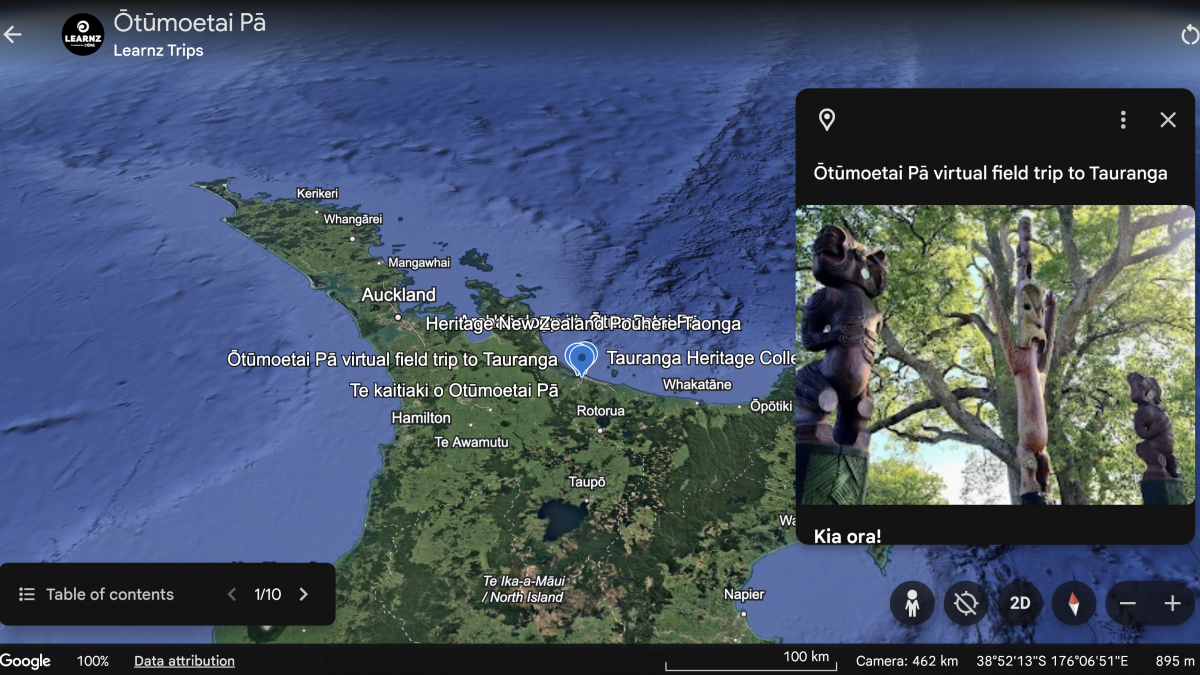
Take the Google Earth for Web Tour
A virtual tour of the field trip with GIS mapping, 3D locations, 360 panorama images, videos, and further information.
Web conference
Replay the field trip web conference
Listen to experts Rachel and Te Haana from Heritage New Zealand Pouhere Taonga answer questions from Bucklands Beach Primary School and Māngere Central School
Glossary
Archaeology – The study of how people lived in the past by digging up and examining objects like tools, pottery, and old ruins. Archaeologists use these finds to learn about ancient cultures and how people lived.
Artefacts – Human-made objects from the past, like tools, weapons, or pottery that give clues about how people lived, worked, and played.
Cultural heritage – The traditions, stories, practices, and beliefs that are passed down from generation to generation, helping to shape a group’s identity.
Excavation – A site where archaeologists dig to uncover historical objects or remains.
Heritage – Things from the past that are passed down and valued, like stories, traditions, places, or objects.
Intangible heritage – Non-physical parts of heritage, such as traditions, languages, music, dance, and skills, that are shared and practiced by a community.
Middens – Ancient rubbish dumps containing shells, bones, and other clues about daily life in the past.
Natural heritage – The natural features and resources of a place, such as forests, rivers, mountains, and native plants and animals, which have cultural, spiritual, or historical importance.
Ōtūmoetai Pā – A historical Māori settlement known for its strong defences and cultural significance in Tauranga.
Pā – A fortified Māori village or stronghold, often built on a hill or ridge for defense. Pā were used for living, farming, and protecting people during times of war.
Place names – Names of locations that tell stories about the history, culture, or important events of an area, often linking people to the land.
Taiao – The natural world, including native forests, waterways, and wildlife, which are valued for their cultural, spiritual, and historical significance.
Tangata Whenua – A Māori term meaning "people of the land," referring to the local people who have a deep connection to their ancestral land and heritage.
Tangible heritage – Physical objects or places from the past, like historic buildings, monuments, museums, and taonga, that you can see and touch.
Taonga – Treasured items, often with cultural or spiritual significance, such as carvings, heirlooms, or traditional clothing.
Tikanga – Customary practices, traditions, and rituals that guide Māori social behavior and reinforce cultural identity.
Whakapapa – Genealogy or family history, which links people to their ancestors, land, and culture. It is an important part of Māori identity.