

Love Rimurimu
Exploring seaweed restoration and cultural connections
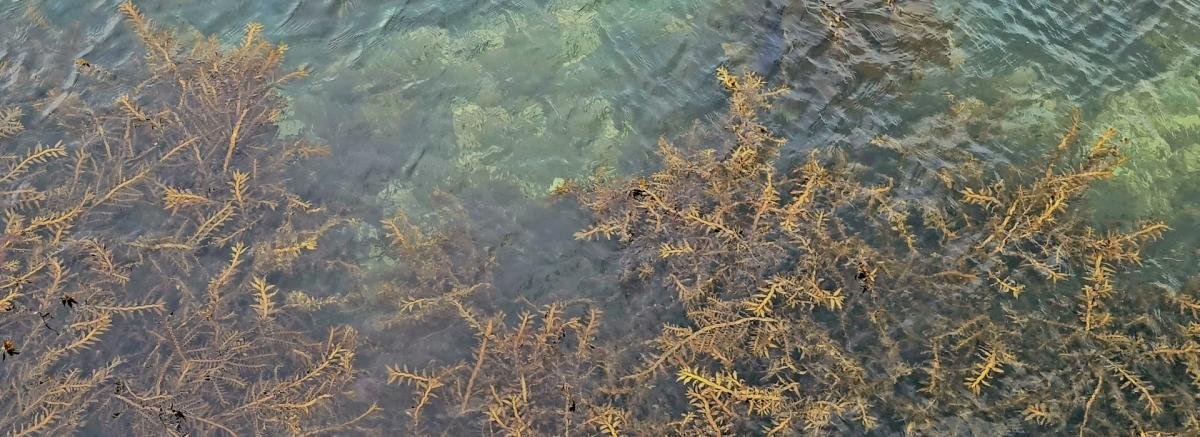
About this field trip
Travel to Te Upoko-o-te-Ika-a-Māui, the Wellington region, to explore the vital role of rimurimu in marine ecosystems and the importance of seaweed restoration. Learn about mātauranga Māori and the deep cultural connections to rimurimu which has been used for centuries as a source of food, medicine, and material in daily life.
Seaweed forests are among the most productive ecosystems on Earth, providing shelter and food for many marine species, improving water quality, while also helping to combat climate change by capturing carbon. However, overfishing, pollution, and rising sea temperatures have impacted seaweed ecosystems around the world, including in Aotearoa New Zealand.
The restoration of these underwater forests is crucial for both the environment and local communities, who view the ocean and its resources as taonga. Understanding the traditional practices of guardianship, alongside western scientific practices, helps to guide modern rimurimu conservation efforts and ensures the sustainable management of marine ecosystems.
Objective
To explore the significance of rimurimu in marine ecosystems, learn about restoration initiatives, and understand the cultural and environmental importance of seaweed to communities.
Key learning
Investigate the biology and ecology of rimurimu, and its role in supporting marine biodiversity.
Learn about the environmental challenges impacting seaweed populations, such as human activity and climate change.
Hear stories from mana whenua about traditional rimurimu sites and its place in Māori culture.
Hear from ākonga who helped pioneer a kelp restoration project in their local community.
Visit a seaweed reproduction laboratory to see how kelp is cultivated for restoration purposes.
Meet experts in marine conservation and learn about how to get involved in seaweed restoration efforts.
Student-led inquiry
Encourage ākonga to dive into their own learning, ask questions about marine ecosystems and develop projects on the protection and restoration of rimurimu. Explore how they can apply both scientific methods and mātauranga Māori to their inquiries.
Curriculum alignment
This virtual field trip aligns with Te Mātaiaho, the refreshed New Zealand Curriculum (2022), incorporating learning areas such as science, social sciences, and sustainability. Access guidance to support the integration of mātauranga Māori and environmental education in alignment with curriculum goals.
Educator guide
This virtual field trip aligns with Te Mātaiaho, the refreshed New Zealand Curriculum (2022). Studying rimurimu provides a rich opportunity to integrate several learning areas. This multidisciplinary approach can enhance students' understanding of both the natural world and the societal, cultural, historical implications of rimurimu rstoration.
Curriculum flexibility
Our field trips include cross-curricular learning experiences that can be adapted to different learning areas and progressions, especially in the context of environmental science, sustainability, and cultural signuificance. You can develop your teaching approach to suit ākonga interests and needs. Here are some of the most relevant curriculum areas that could relate to a study on rimurimu. These curriculum links allow ākonga to explore the ecological, cultural, and economic importance of seaweed while encouraging them to engage with real-world environmental challenges through restoration initiatives:
Learning areas and achievement objectives
-
Understand
Big idea:
Māori history is the foundational and continuous history of Aotearoa New Zealand
Understand the Māori worldview of environmental stewardship, and the historical and cultural significance of rimurimu in Aotearoa. Introduce key sustainability concepts and how seaweed restoration ties into this.
Know
Contexts:
Place and environment
Knowledge of the historical relationship between Māori and the marine environment, including seaweed use in daily life and its place in Māori culture, such as uses in food, its significance in customary practices, and its place within kōrero and pūrākau (stories).
Do
Practices:
Identifying and exploring historical relationships
Students can participate in activities that engage with Māori practices about seaweed or collaborate with local iwi to explore its cultural significance. Invite guest speakers from local iwi or marine biologists who can discuss the cultural and environmental importance of seaweed.
-
Learning area: Nature of science
Achievement objectives:
Investigating in science
Students can explore the biology of seaweed, its ecological roles, and methods of restoration through practical investigations and experiments.Communicating in science
Students learn to communicate findings related to seaweed ecosystems, their benefits, and challenges in restoration efforts, using appropriate scientific language.Participating and contributing
Students evaluate and engage in community-based seaweed restoration projects, considering their impact on both local and global scales.
Learning area: Living world
Achievement objectives:
Life processes
Understand the structure and function of seaweed, including photosynthesis, growth, and reproduction.Ecology
Study the interactions between seaweed and marine ecosystems, such as how seaweed provides habitats, supports biodiversity, and contributes to nutrient cycling.Evolution
Explore how different species of seaweed have adapted to their environments and the evolutionary significance of marine plants.
Learning area: Planet Earth and beyond
Achievement objectives:
Earth systems
Investigate the relationship between seaweed, ocean health, and the Earth's carbon cycle, especially its role in sequestering carbon and combating climate change.Sustainable practices
Examine human impacts on marine ecosystems and how seaweed restoration can promote sustainability and ecosystem resilience.
-
Achievement objectives:
Place and environment
Understand the relationship between people and the marine environment, focusing on how seaweed ecosystems affect communities economically, culturally, and environmentally.Economic activity
Explore how seaweed can be used as a resource (e.g., food, bioplastics, fertilizers) and the potential economic benefits of seaweed restoration for local communities.Culture and collective identity
Examine the significance of seaweed in Māori culture, including traditional uses (kai moana) and its role in guardianship of the environment.
-
Achievement objectives:
Nature of technology
Explore the technologies and innovations involved in seaweed restoration, including cultivation techniques, bioengineering, and sustainable harvesting practices.Technological practice
Design and test solutions for seaweed restoration, such as designing seaweed farms or structures that support regrowth in degraded marine habitats.
-
Achievement objectives:
Healthy communities and environments
Investigate how marine restoration, including seaweed restoration, promotes the health of communities by improving water quality, increasing biodiversity, and supporting sustainable food sources.
-
Achievement objectives:
Statistics
Collect and analyse data on seaweed populations, growth rates, and the impact of restoration efforts, using statistical methods to monitor changes over time.Measurement and geometry
Measure seaweed growth and calculate areas of marine environments where restoration is taking place, estimating biomass or carbon sequestration potential.
-
Achievement objectives:
Explore and develop ideas
Create art inspired by marine ecosystems, focusing on the beauty and diversity of seaweed species and their role in the environment.Communicate and interpret
Use art to raise awareness of seaweed restoration efforts and the importance of protecting marine habitats.
-
Achievement objectives:
Language and texts
Write persuasive essays, reports, or creative pieces about the importance of seaweed in marine ecosystems and the need for restoration efforts.Listening, reading, and viewing
Interpret scientific texts, documentaries, and articles related to seaweed research and restoration.Item description

This trip reflects the United Nations Sustainable Development Goals (SDGs), especially Goal 14: Life below water: To conserve and sustainably use the world's oceans and marine resources.
Discover more
Select a topic or image link for background information, images, narrations, and Māori kupu | key words for each topic.
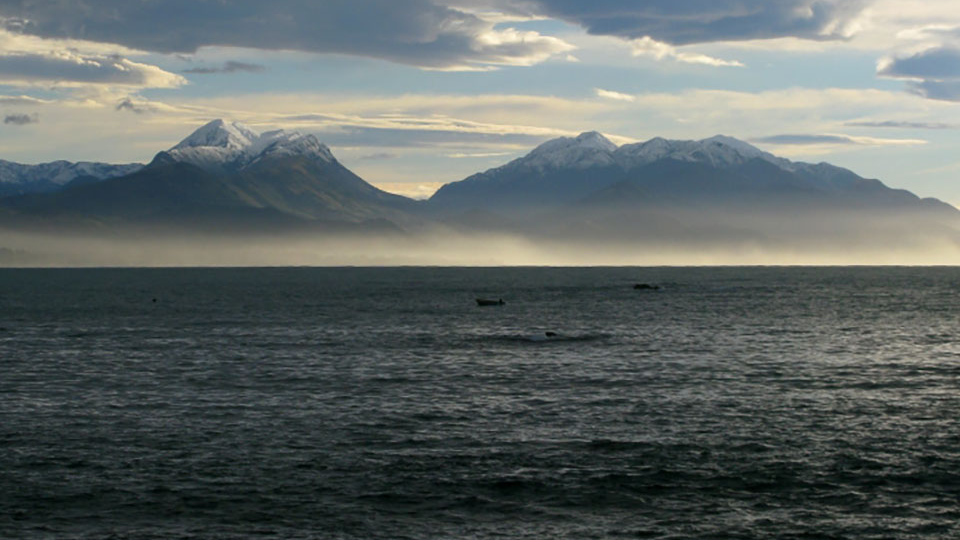
Future uses for seaweed
Rimurimu could be a big help for the planet in the future. It could provide food, clean our oceans, absorb carbon, and help New Zealand develop a sustainable "blue" economy.
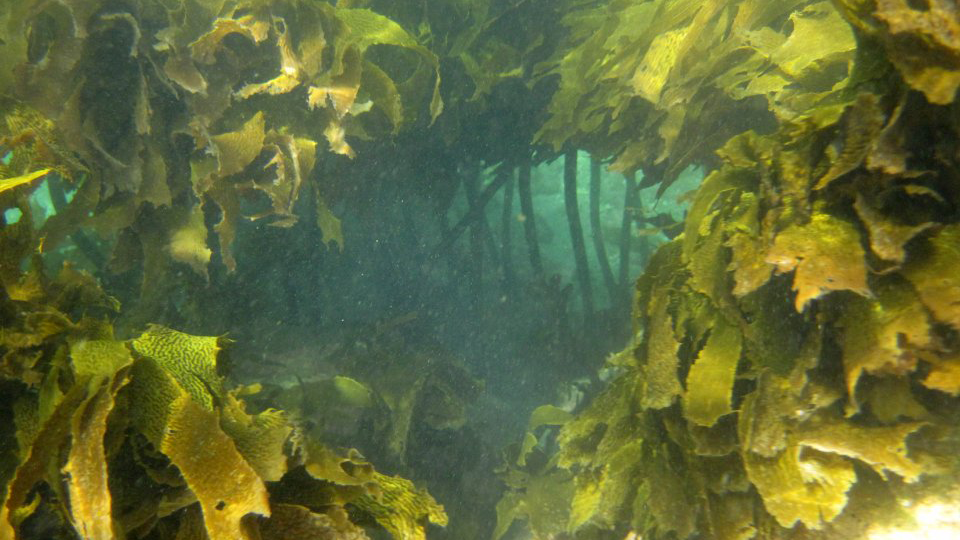
Seaweed and people: an ocean connection
People have been eating and using rimurimu for thousands of years, and it’s still super popular today!
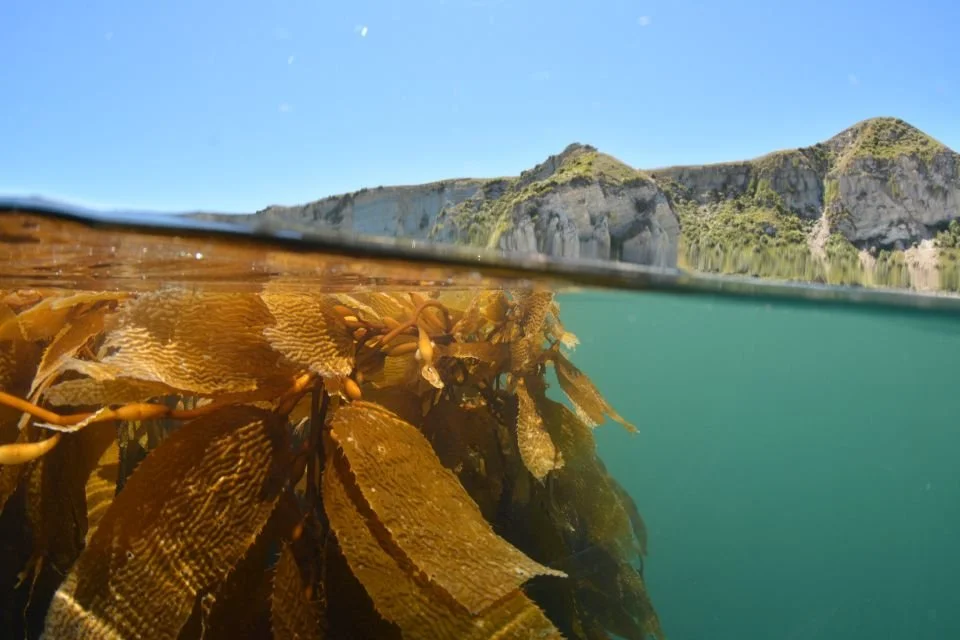
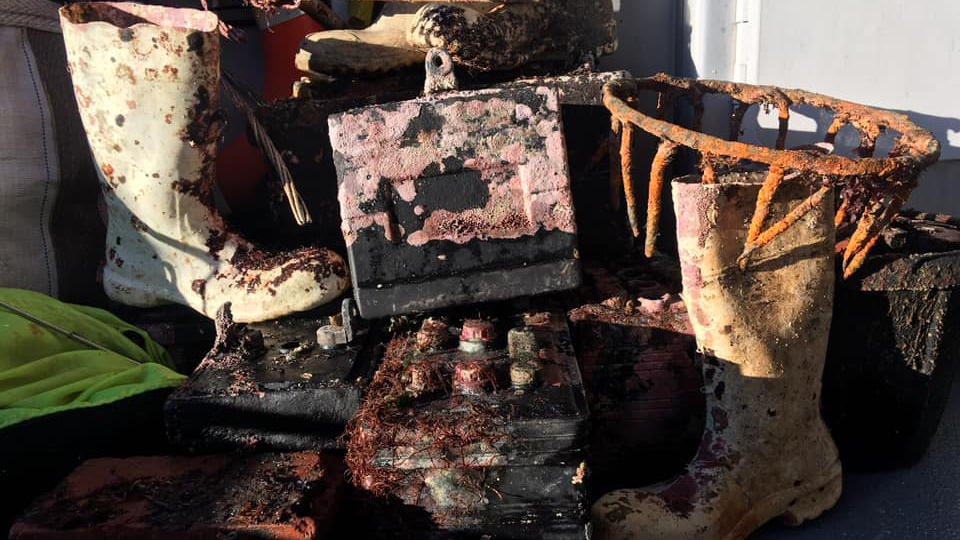
Threats to marine ecosystems
People value and use the ocean in different ways. To keep our marine ecosystems healthy, we need to manage how we use these areas.
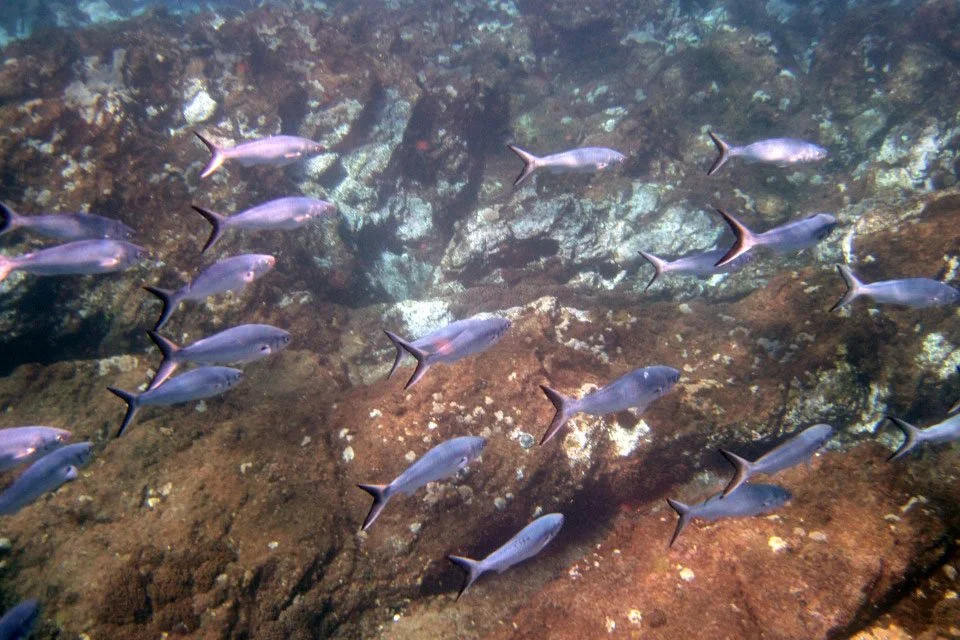
Healthy ecosystems
An ecosystem is made up of living things – animals, plants, and bacteria – and non-living things, like water, sand, and rocks.
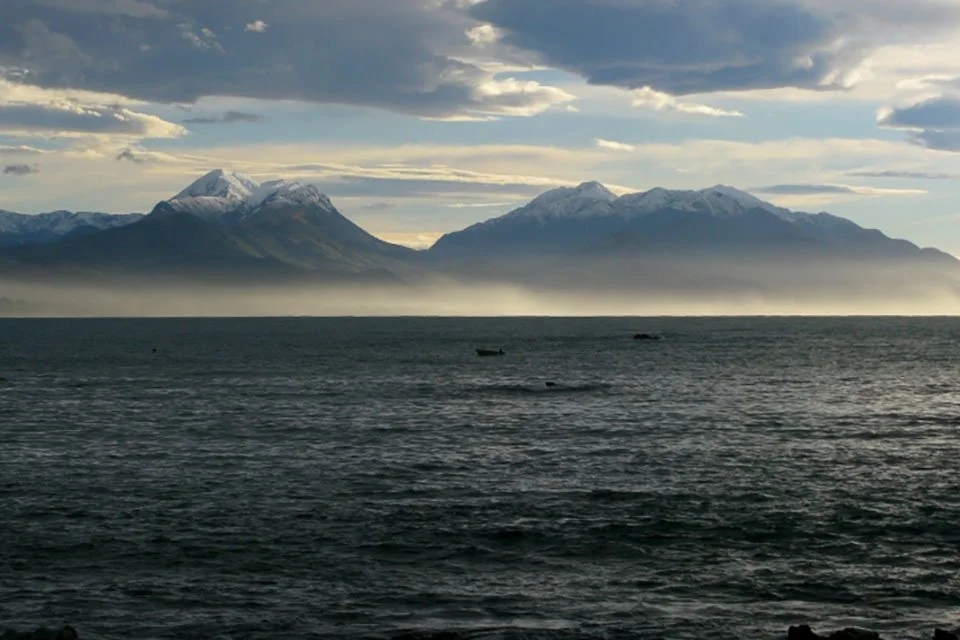
Our amazing ocean
Aotearoa New Zealand is an island nation surrounded by the sea – a special taonga for us all.
Connect with field trip experts
Insights into people and their careers
Meet Hannah - Community Science Coordinator
Meet Joe - Aquaculture Technician
Hannah is with Mountains to Sea Wellington, and her role as Community Science Coordinator for the Love Rimurimu project centres around the plant-outs and monitoring of planted areas.
Meet Joe – Aquaculture Technician
Meet Jorge - Marine Lead and Community Engagement & Education Lead
Joe is with Mountains to Sea Wellington. His job as the Aquaculture Technician for Love Rimurimu involves everything to do with growing seaweed for the project.
Meet Jorge – Marine Lead and Community Engagement & Education Lead
Jorge has been with Mountains to Sea Wellington for 9 years. He is the Marine Lead for Mountains to Sea Wellington and the Community Engagement and Education Lead for the Love Rimurimu project.
Meet Maia – Mana whenua; Taranaki Whanui
Maia originally came into the Love Rimurimu project as part of Taranaki Whānui. She is now involved in many different parts of the kaupapa.
Field trip videos
How Love Rimurimu began
Jorge from Mountains to Sea Wellington shares an overview of the Mountains to Sea Wellington kaupapa and how the Love Rimurimu restoration project began.
What is the main kaupapa of Mountains to Sea Wellington?
How did Love Rimurimu come about?
Kaingākautia te rimurimu | Cherish the rimurimu
Andrew the LEARNZ kaiārahi introduces this video in which two ākonga from Te Kura Kaupapa Māori o Ngā Mokopuna share their learning journey and involvement in the Love Rimurimu restoration project.
Who are the two guardians protecting Wellington Harbour?
As part of their role in the Love Rimurimu project, what are the ākonga known as?
What did the ākonga decide to do after taking part in the Love Rimurimu education programme?
Rimurimu whānau and features
At Moa Point in Wellington, two of the Kura Kelpers share some of the knowledge they have gained through being part of the Love Rimurimu project. There’s also a seaweed taste test involved!
What are the three seaweed whānau?
What are the four parts of the rimukakauroa (giant kelp) pointed out by Rakaipo?
What are the environmental benefits of seaweed?
Collecting and processing kelp spores
At the ‘wet lab’ inside NIWA Taihoro Nukurangi, Joe from Love Rimurimu explains the process of collecting and processing kelp spores that will be used to grow a lot more of this seaweed as part of the Love Rimurimu restoration project.
What is the name of the fertile material found in the kelp blades that Joe dives to collect?
How are the kelp blades containing the fertile material different to other kelp blades?
What is the main job of the red-light incubator?
Growing baby seaweeds
Joe from Love Rimurimu explains the next part of the kelp processing, which involves growing kelp in a nursery that recreates the natural elements it would encounter in the wild.
The seaweed nursery is artificially recreating the natural elements seaweed needs to grow. What are those five elements?
What are the two tools used to clean water at the seaweed nursery?
What is done with the baby kelp before it is taken out of the nursery and put into the harbour?
Plant outs and community helpers
At a key plant-out site in front of the Worser Bay Boating Club, Community Science Coordinator for the Love Rimurimu Project, Hannah, shares an insight into the method and monitoring of the giant kelp once it has been grown in the lab and put into the water.
How has the percentage rate of giant kelp survival changed since the first year of the restoration project?
What were some of the problems the team faced with the planted out kelp during the first year?
Describe how the team monitors the survival rate of kelp that is planted.
What is the message that Hannah and the team want to get out to the community?
Tihei Rimurimu
At the top of Oruaiti Reserve, overlooking the Wellington Harbour entrance, Maia from Love Rimurimu shares some mātauranga Māori relating to rimurimu.
What is the meaning of Te Whanganui-a-Tara?
Why might the place ‘Rimurapa’ have been named as such?
How has Maia been using the natural fibres as part of the Love Rimurimu project?
Take the Google Earth tour
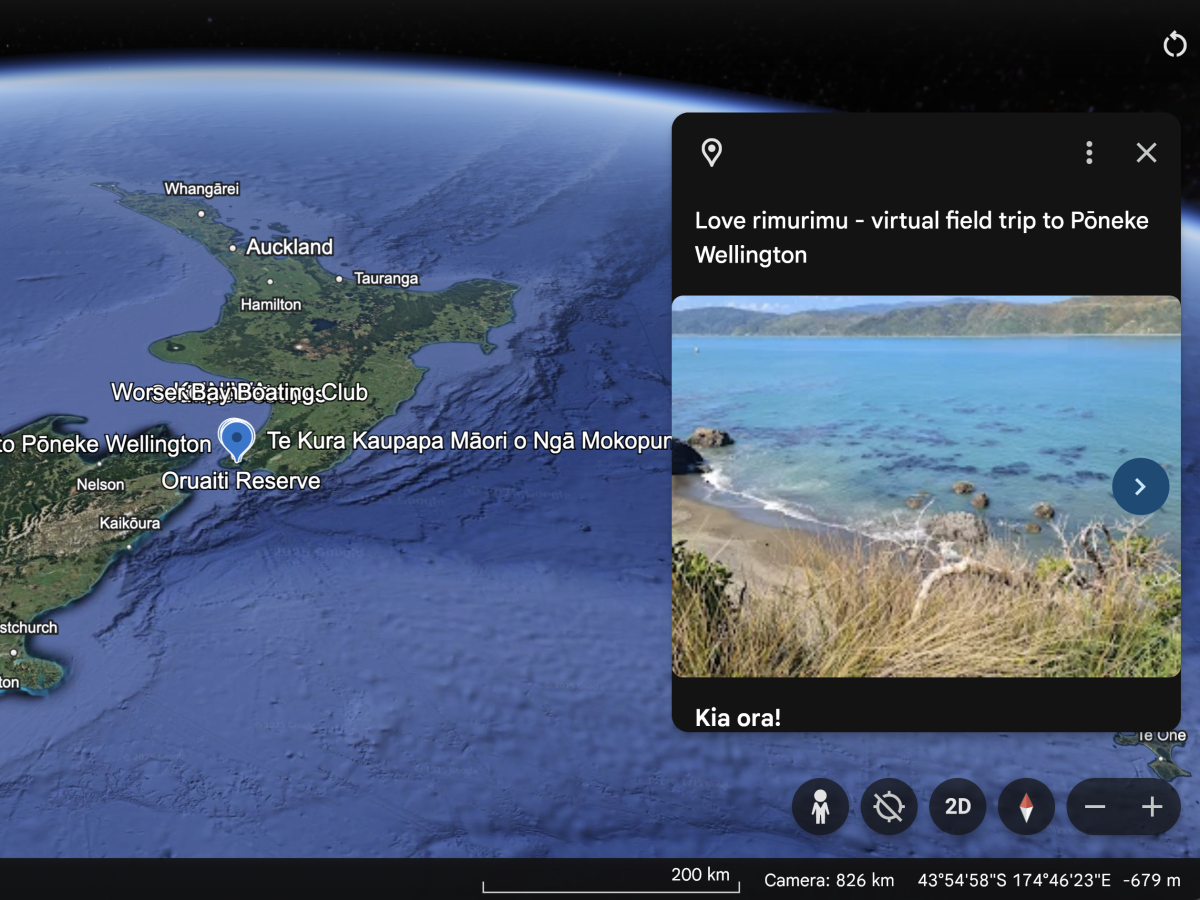
Take the Google Earth for Web Tour
A virtual tour of the field trip with GIS mapping, 3D locations, 360° panoramic images, videos, and further information.
Resources and links
Mountains to Sea launched the roll-out of the Rimurimu Project in 2020. If you would like to get involved with the project, please contact MTSW at info@mtsw.org.nz.
Watch a swim-through ID video of some of the most common seaweeds found in Te Whanganui-a-Tara Wellington.
Love Rimurimu is piloting a regeneration project in Wellington that involves mana whenua, industry, community and schools. Additional information and resources are on their website, such as the Love Rimurimu learning hub. The Science Learning Hub is an interactive platform that provides resources to assist educators with their planning of lessons/units of work on seaweed biodiversity, human impacts and restoration.
Listen to Zoe Studd from Mountains to Sea, Wellington, in this 2022 Radio New Zealand interview to find out more about the charitable trust. Zoe is also featured in these Our Changing World interviews: Marine reserve sightseeing (2022); Restoring Wellington’s seaweed forests (2024).
Read more about this Curious Minds’ project with Mana College in their school's newsletter: When kelp needs help: saving our sea forests.
Watch Tihei Rimurimu | Te Ūpoko o Te Ika, a video produced by Te Aho Tū Roa that features tauira working with the Love Rimurimu project.
Visit Project Baseline, where divers (scuba divers, free-divers, and snorkelers) from all walks of life globally have come together to be a voice for underwater environments worldwide. Since 2009, Project Baseline has been systematically documenting changes in the underwater world to facilitate scientific studies and establish protection for these critical underwater environments.
See the Sustainable Seas: Building a seaweed sector framework (released in October 2022), which sets out key priorities in leadership, research and regulation for the seaweed sector to support a blue economy in Aotearoa.
This article from 2023 in The Conversation covers how new research is demonstrating that New Zealand’s vital kelp forests are in peril from ocean warming – threatening the important species that rely on them.