

Kiwi Guardians
How Sanctuary Mountain Maungatautari is boosting kiwi recovery
About this field trip
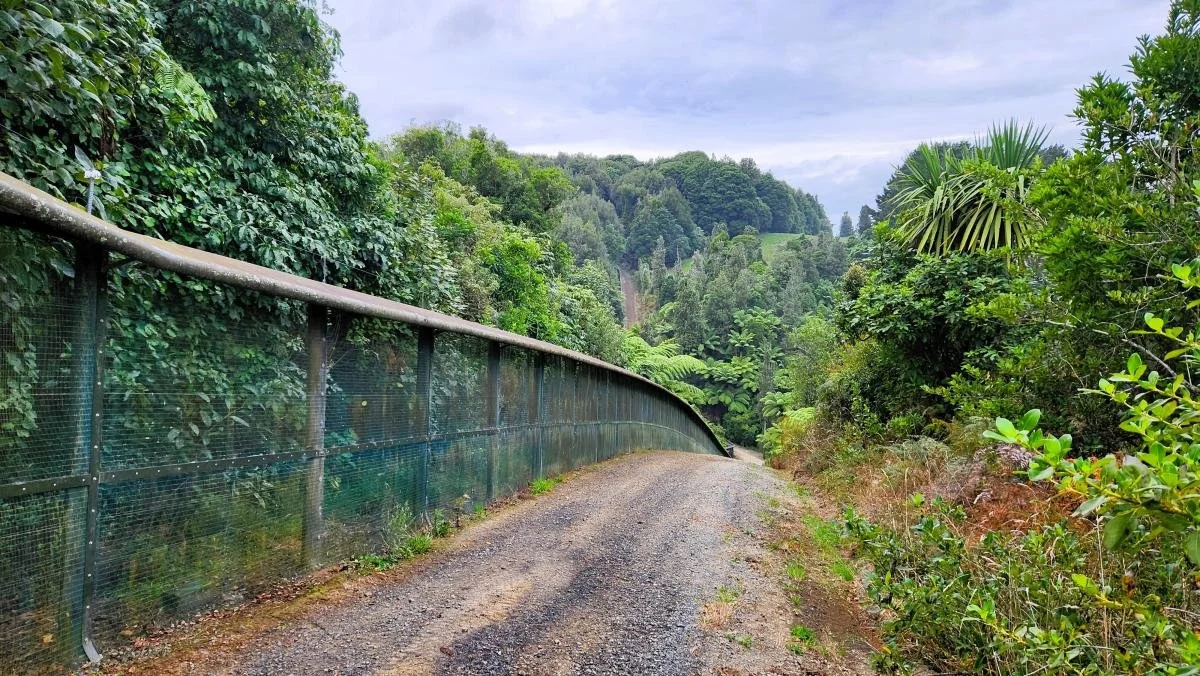
Sanctuary Mountain Maungatautari (SMM) is the largest predator-fenced eco-sanctuary in the world. It enables visitors to experience a predator-free environment where native fauna and flora flourishes, and provides an insight into a time long past.
SMM is home to some of New Zealand's most endangered species, playing a pivotal role in their conservation. It is also home to a thriving kiwi population of about 3,000 birds and performs a major role in boosting other kiwi populations around the country.
Each year SMM undertakes the country's largest kiwi translocation project in partnership with mana whenua and Save the Kiwi.
Through its education programme, SMM actively engages students nationwide, offering a tangible glimpse into Aotearoa New Zealand’s past and the future vision of a predator-free environment.
Objective
To increase awareness of the importance of taonga species and conservation in general from within the environment of SMM, and to experience key parts of the kiwi translocation kaupapa.
Key learning
Visit Sanctuary Mountain Maungatautari and get an overview of its history and importance.
Explore the need for kiwi translocations.
See how trained dogs are used to locate kiwi.
Observe a kiwi health check at the local school.
Take part in ‘mustering’ kiwi using telemetry equipment as part of the translocation process.
Hear from ākonga about the impact of local conservation on their lives.
Learn about the importance of kiwi as a taonga species in relation to te ao Māori.
Student-led inquiry
Encourage ākonga to venture into their own learning, ask questions about kiwi conservation, and develop projects on the conservation and repopulation of taonga species. Explore how they can apply both scientific methods and mātauranga Māori to their inquiries.
Curriculum alignment
This virtual field trip aligns with the New Zealand Curriculum refresh (2022), incorporating learning areas such as science, social sciences, and sustainability. Access guidance to support the integration of mātauranga Māori and environmental education in alignment with curriculum goals.
Educator guide
-
Focus strand: Tūrangawaewae me te kaitiakitanga – Place and environment
Achievement objectives:
Understand how people view and use places differently.
Understand how people make decisions about access to and use of resources.
Understand how iwi and hapū have developed relationships with their environment and exercised kaitiakitanga over time.
Learning activities:
Research the history and cultural significance of Maungatautari and kiwi to local iwi such as Ngāti Korokī.
Compare the perspectives of conservation groups, mana whenua, and government on predator control and land use.
Examine Treaty principles and how they are reflected in conservation partnerships.
-
Strands: Living world, Nature of science
Achievement objectives:
Recognise that living things are suited to their particular habitat.
Explore how living things are suited to their environment and how they respond to environmental changes.
Investigate the impact of human actions on ecosystems.
Learning activities:
Study kiwi adaptations and threats to their survival.
Explore ecological roles of native species and the impact of predators.
Analyse SMM’s pest-proof fence design and its ecological effectiveness.
-
Understand: Literature, language, and texts express, influence, and explore perspectives and ideas | Kei ngā mātātuhi, kei te reo, kei ngā tuhinga hoki te whakaahuatanga o te mana tangata, mana rōpū
Know: Ideas within, across, and beyond texts | Ngā ariā
Do: Comprehending and creating texts | Te whakamahi rautaki ki te whai māramatanga
Learning activities:
Read conservation stories and reports, such as kiwi origin stories.
Read/write persuasive articles or speeches advocating for protection of taonga species.
Present a visual or oral recount of the SMM virtual field trip experience.
-
Strands: Visual art, Drama, Music
Achievement objectives:
Develop and revisit visual ideas in response to observations and imagination.
Use drama techniques to explore ideas and convey meaning.
Explore and express ideas through music-making.
Learning activities:
Create a mural, sculpture, or digital artwork representing taonga species and the forest.
Role-play or dramatise the journey of a kiwi, for example, whakapapa, or from discovery to relocation.
Compose a soundscape reflecting the biodiversity of SMM.
-
Strand: Technological knowledge & practice
Achievement objectives:
Understand how technological outcomes are influenced by the physical and social environment.
Understand how materials can be combined to meet technological challenges.
Learning activities:
Investigate how telemetry and GPS tools are used to track kiwi during the muster.
Design a simple prototype for a pest trap or educational display about kiwi conservation.
Evaluate the predator-proof fence at SMM and consider ways to improve it.
-
Strands: Statistics, Geometry and measurement
Achievement objectives:
Conduct investigations using the statistical enquiry cycle.
Use measurement to collect and present data appropriately.
Learning activities:
Gather and analyse data on kiwi movements or pest numbers using tracking logs.
Create bar graphs, pie charts, and maps based on findings.
Measure and plot areas of SMM using scale maps and grid references.
-
Strand: Healthy communities and environments
Achievement objectives:
Plan strategies to support environmental sustainability.
Take action to contribute to their community’s wellbeing.
Learning activities:
Reflect on how caring for the environment enhances personal and community wellbeing.
Develop a class action plan to contribute to local conservation efforts.
Discuss roles people can play in supporting a predator-free future.
This curriculum guide supports teachers in delivering an integrated unit of learning across curriculum areas, using the Sanctuary Mountain Maungatautari (SMM) virtual field trip as a key learning experience.
The guide will assist ākonga to explore the interconnectedness between people, land, and taonga species, particularly the kiwi. It also aims to increase awareness of the importance of taonga species and conservation within the unique environment of SMM, and to experience key parts of the kiwi translocation kaupapa.
Learning areas and achievement objectives

This field trip aligns with SDG 15: Life on Land. It emphasises the significance of terrestrial biodiversity, promoting awareness of conservation efforts at Sanctuary Mountain Maungatautari.
By fostering understanding of the interconnectedness between people and the environment, it contributes to the broader global goals of preserving and protecting life on land for sustainable development.
Discover more
Select a topic, image or Read more link for background information, images, narrations, and kupu Māori | keywords for each topic.
Look through the trip glossary.
Sanctuary Mountain Maungatautari – history and overview
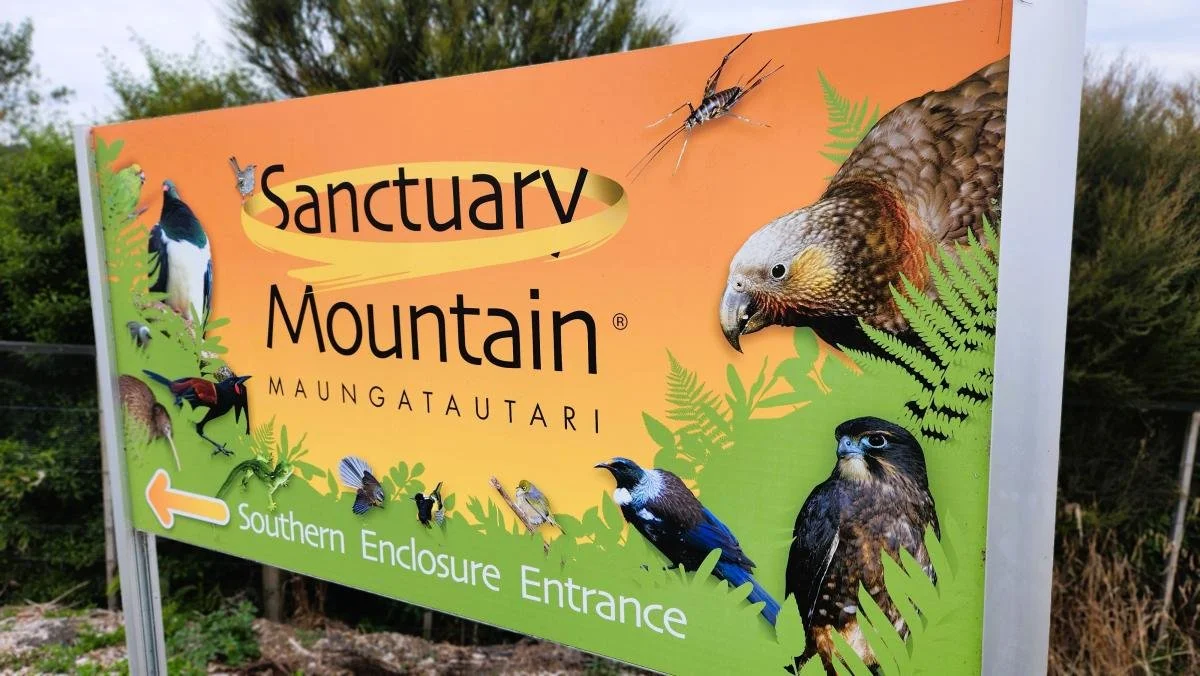
The largest predator-fenced eco-sanctuary in the world.
Kōhanga Kiwi – a safe place for kiwi
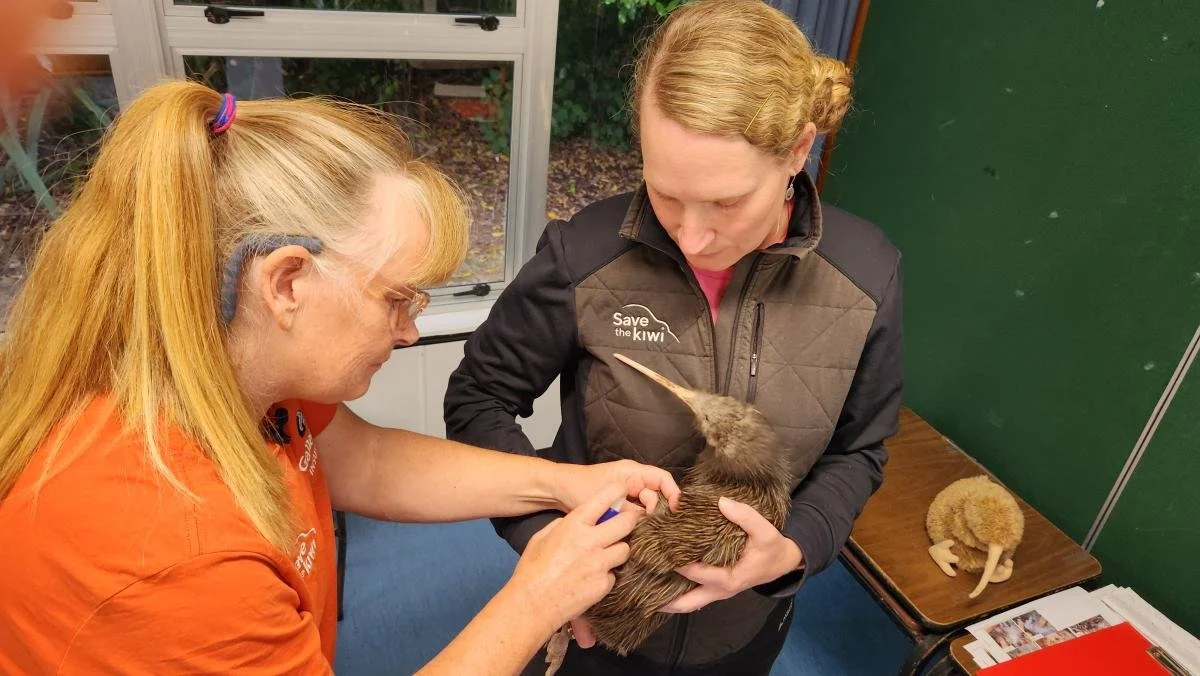
The goal of Kōhanga Kiwi is to increase the number of North Island brown kiwi across the country.
The role of iwi in Kōhanga Kiwi
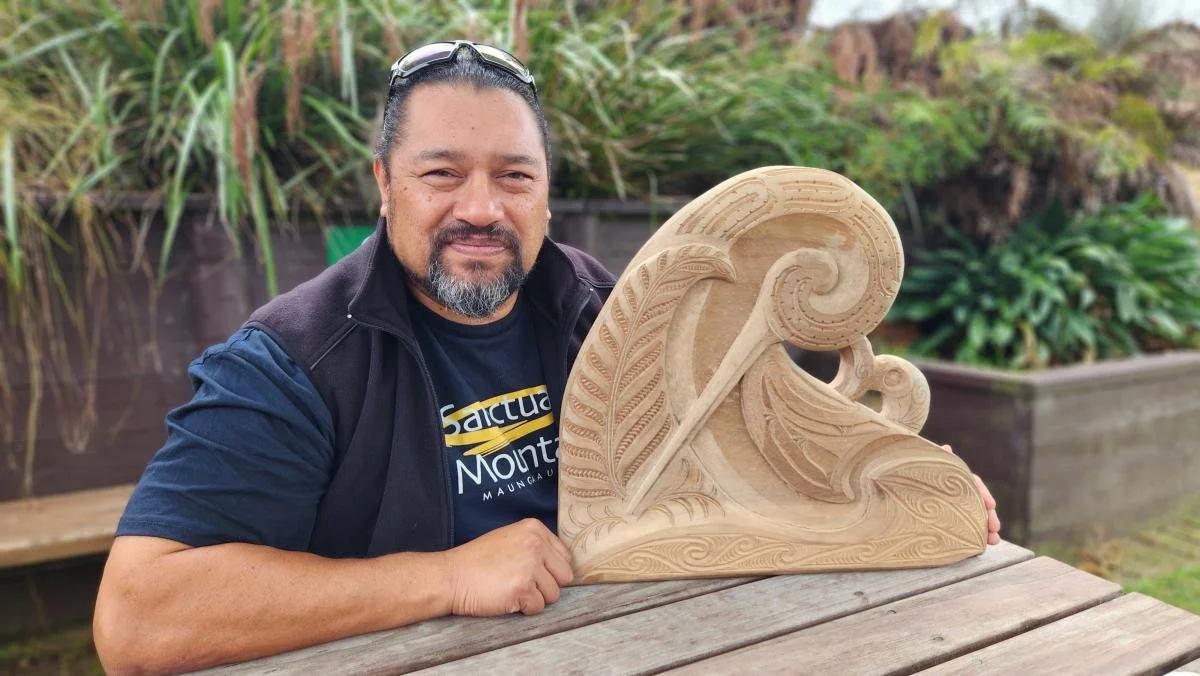
Mana whenua have a deep ancestral connection to the mountain and play a key role in guiding the restoration and protection of the maunga.
Connect with field trip experts
Insights into people and their careers.
Meet Dan – the Operations Manager at Sanctuary Mountain Maungatautari.
Meet Will – a ranger for Save the Kiwi for 10 years. His dog, Tia, specialises in tracking kiwi.
Meet Bodie – the Cultural Advisor at anctuary Mountain Maungatautari, and a pretty good carver too! Manager at Sanctuary Mountain Maungatautari.
Meet Helen. Helen is with Save the Kiwi; and while she is at Maungatautari during the kiwi translocation season, she co-manages the project.
Meet Gaia – she loves kiwi, which comes in handy in her role as kiwi ranger with Save the Kiwi.
Explore the field trip videos
Join our field trip experts as we visit new places and learn new things
The field trip starts outside the Visitors Centre at Sanctuary Mountain Maungatautari, where operations manager Dan gives us an overview of the sanctuary, their education programme, and the 47-kilometre pest-proof fence that keeps all the wildlife safe inside the enclosure. He also introduces the involvement Sanctuary Mountain Maungatautari has in the Kōhanga Kiwi kaupapa.
Why is the fence around Sanctuary Mountain so important, and how does it stop different animals from getting in?
What is the purpose of the Kōhanga Kiwi project, and how does it help kiwi populations around Aotearoa?
Why do you think it’s important for students and visitors to learn about places like Sanctuary Mountain Maungatautari?
Kiwi, fences, and forest futures | Welcome to the walled wild
Bodie shares the kōrero behind a kiwi carving he has been working on. He also explains how the concept of ‘tono’ was exercised when Ngāti Korokī Kahukura, mana whenua for Maungatautari, asked another iwi to help them build a new population of kiwi on Maungatautari.
What story does the carving tell, and why is it important to Sanctuary Mountain Maungatautari?
What does the Māori concept of tono mean, and how was it used to bring kiwi to the sanctuary?
Why do you think it’s important for Maungatautari to return kiwi to the places they originally came from?
Carving a legacy, restoring a taonga
Tia the conservation kurī
Tia is a conservation dog that helps the kiwi team find kiwi, especially wild kiwi that haven’t been fitted with a transmitter. Try to keep up with Tia’s boundless energy as you gain an insight into her training and tracking prowess.
Why are conservation dogs like Tia helpful for finding kiwi, even though dogs can be dangerous to them?
What special training does Tia have to keep kiwi safe while she’s working in the bush?
How does Will use the lead and the muzzle to help Tia stay safe and do her job properly?
Kiwi care in action | Te hauora o te kiwi
See the process of a kiwi health check that birds found on the maunga by conservation dogs go through before being fitted with a microchip and transmitter.
What kinds of health checks does Helen do on the kiwi before they are moved to a new home?
Why is it important to check for a microchip in each kiwi, and what does it tell the team?
How does the medicine help kiwi before they are released into a new environment?
Ākonga connections with Sanctuary Mountain Maungatautari
Pukeatua School sits near the base of Maungatautari and plays an important part in helping the Kōhanga Kiwi kaupapa. The school has given the kiwi team a spare classroom, which is now used as the kiwi health and operations centre. Meet some of the school’s ākonga and hear about the connections they share with Sanctuary Mountain Maungatautari.
How are students from Pukeatua School helping to protect native species around Maungatautari?
What is a wildlife corridor, and why is it important for native birds?
How do the values at Pukeatua School connect with the native birds and the sanctuary nearby?
Follow Gaia and other Save the Kiwi crew using telemetry gear to track kiwi for the Kōhanga Kiwi kaupapa. During the muster, kiwi are captured, given a health check, then put into special transport boxes for translocation to other areas needing a boost in their kiwi populations.
Keep your phone secured in your pocket as we bush-bash our way through the undergrowth in search of a kiwi in its burrow!
How do the team use special equipment to help them find kiwi in the forest?
What steps do they take to make sure the kiwi are safe and healthy before moving them to their new home?
Why do you think the team holds a karakia before the kiwi leave Maungatautari?
The kiwi muster: from forest to future
Take the Google Earth tour
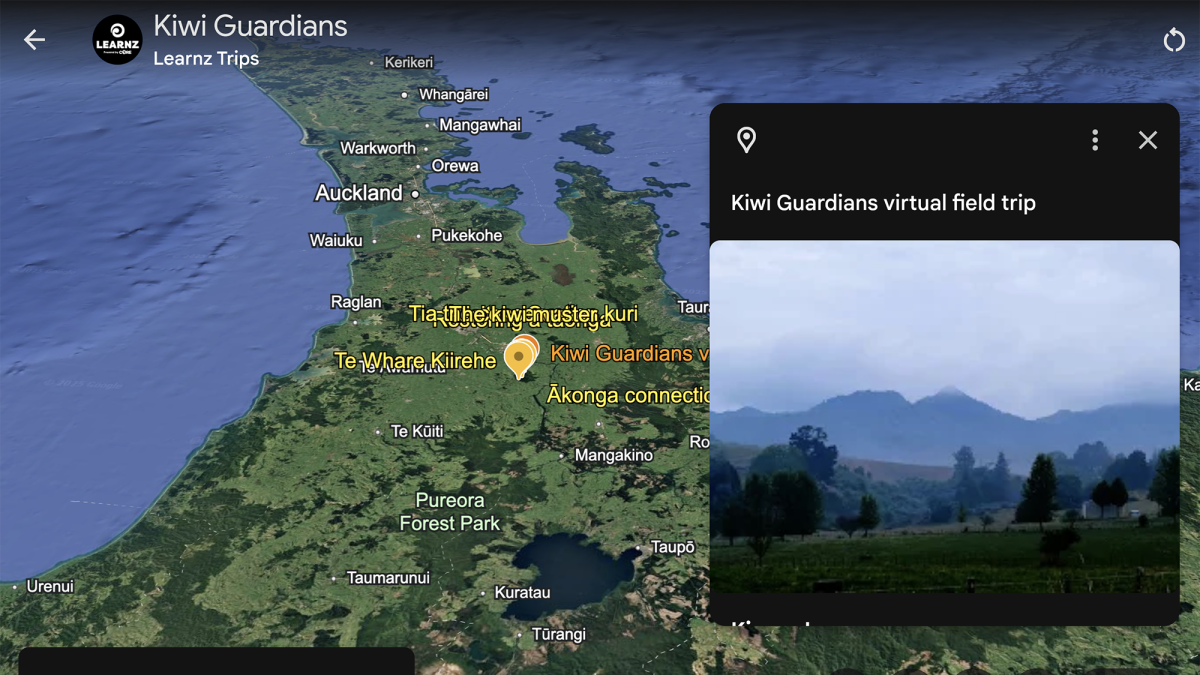
Take the Google Earth for Web Tour
A virtual tour of the field trip with GIS mapping, 3D locations, 360° panoramic images, videos, and further information.
Web conference
Replay the field trip web conference
Listen to a recording of the live web conference with expert answers from Phil, the educator at Sanctuary Mountain Maungatautari.
Resources and links
Sanctuary Mountain Maungatautari
Information on the virtual field trip destination.
Save the kiwi
Save the kiwi work with Sanctuary Mountain Maungatautari on the kiwi translocation project.
Maungatautari Marae
Learn a little about a local marae – Maungatautari Marae.
Kiwi | DOC
Information about kiwi species and kiwi conservation.
Whakapapa resource | Save the kiwi
The whakapapa of kiwi.
Kiwi Forever | Save the kiwi
Kiwi Forever is a free teaching resource packed full of fun and educational activities aligned with levels 1–4 of the New Zealand curriculum.
Curious kiwi | Butterfly Creek
Curious Kiwi resources have been designed with primary aged children in mind.
Conserving our native kiwi | Science Learning Hub
Information about kiwi and kiwi conservation.
Glossary
Ancient forest – A forest that has been growing for a very long time, often with tall trees, lots of plant layers, and unique wildlife.
Canopy – The second highest layer of a forest formed by the tallest trees.
Conservation – The protection of plants, animals, and natural places so they can survive and thrive.
Ecosystem – A community of living things (like plants and animals) and the environment they live in, all working together.
Eco-sanctuary – A protected area where native plants and animals are kept safe from pests and other threats.
Endangered species – Animals or plants that are at risk of disappearing completely.
Enclosure – A fenced area created to protect wildlife or ecosystems.
Fence (pest-proof) – A special kind of fence designed to stop animals like rats, stoats, and possums from getting into a protected area.
Hatchery – A place where eggs are safely incubated and hatched, often used for birds like kiwi.
Incubate – To keep eggs warm in the right conditions so they can hatch.
Introduced mammals – Animals like rats, stoats, and possums that were brought to Aotearoa New Zealand by people and are not originally from here.
Iwi – A Māori tribe or large group of people connected by ancestors and whakapapa (genealogy).
Kōhanga Kiwi – A kiwi conservation programme. ‘Kōhanga’ means nursery in Māori – a safe place for young kiwi to grow up.
Maunga – The Māori word for mountain.
Mana whenua – The iwi or hapū who have ancestral and cultural ties to a specific area of land.
Native species – Plants and animals that naturally belong to a certain place, like Aotearoa New Zealand.
Pest – An animal that harms native wildlife or the environment. In Aotearoa New Zealand, pests include rats, stoats, possums, goats, and deer.
Predator – An animal that hunts and eats other animals. Introduced predators like stoats and cats are a big threat to kiwi and other native birds.
Sanctuary – A safe place where living things are protected.
Seedlings – Young plants that have just started to grow from seeds.
Taonga species – ‘Taonga’ means treasure in Māori. These are special native plants or animals that are valued and protected.
Transmitter – A small tracking device attached to wild animals like kiwi so scientists can monitor where they go and when they lay eggs.