

Conservation In Action
Protecting the taonga of the Southern Lakes
About this field trip
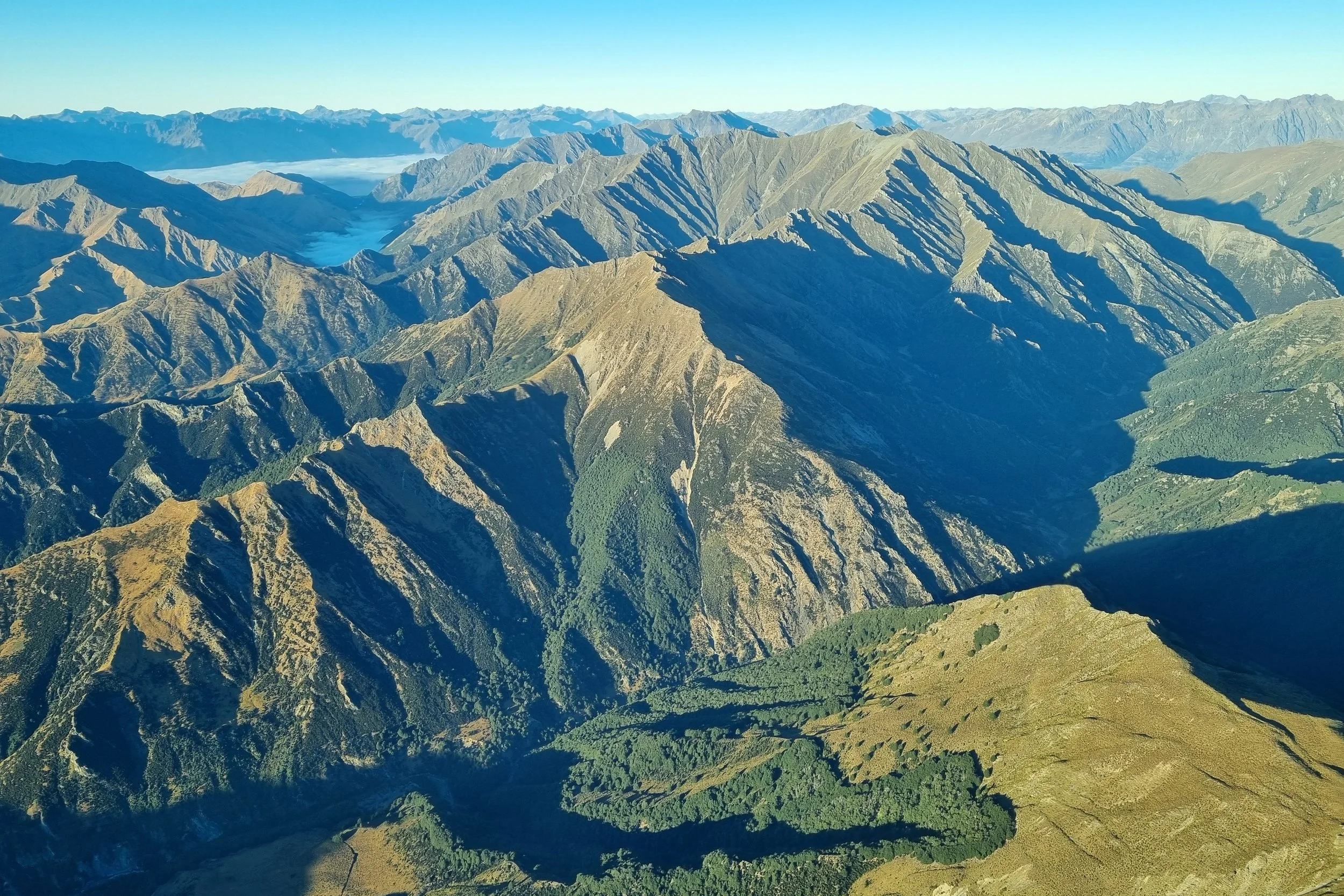
Amongst the mountains, lakes and rivers of Wānaka, Hāwea, and Whakatipu a battle for nature is underway. Introduced predators have pushed many native species to the brink, putting intense pressure on fragile and unique ecosystems.
During this field trip you will journey into the stunning Southern Lakes Sanctuary to meet with scientists and local conservationists who are fighting to protect native birds, lizards, and insects from introduced predators. Discover how innovative technology and community teamwork are bringing fragile ecosystems back to life and see what’s possible when people join forces for nature.
Objective
Key learning
Student-led inquiry
Curriculum alignment
Educator guide
-
Focus strand: Tūrangawaewae me te kaitiakitanga – Place and environment
Achievement objectives:
Understand how people view and use places differently.
Understand how people make decisions about access to and use of resources.
Understand how iwi and hapū have developed relationships with their environment and exercised kaitiakitanga over time.
Learning activities:
Research the history and cultural significance of Maungatautari and kiwi to local iwi such as Ngāti Korokī.
Compare the perspectives of conservation groups, mana whenua, and government on predator control and land use.
Examine Treaty principles and how they are reflected in conservation partnerships. text goes here
-
Strands: Living world, Nature of science
Achievement objectives:
Recognise that living things are suited to their particular habitat.
Explore how living things are suited to their environment and how they respond to environmental changes.
Investigate the impact of human actions on ecosystems.
Learning activities:
Study kiwi adaptations and threats to their survival.
Explore ecological roles of native species and the impact of predators.
Analyse SMM’s pest-proof fence design and its ecological effectiveness.escription text goes here
-
Understand: Literature, language, and texts express, influence, and explore perspectives and ideas | Kei ngā mātatuhi, kei te reo, kei ngā tuhinga hoki te whakaahuatanga o te mana tangata, mana rōpū
Know: Ideas within, across, and beyond texts | Ngā ariā
Do: Comprehending and creating texts | Te whakamahi rautaki ki te whai māramatanga
Learning activities:
Read conservation stories and reports, such as kiwi origin stories.
Read/write persuasive articles or speeches advocating for protection of taonga species.
Present a visual or oral recount of the SMM virtual field trip experience.
-
Strands: Visual art, Drama, Music
Achievement objectives:
Develop and revisit visual ideas in response to observations and imagination.
Use drama techniques to explore ideas and convey meaning.
Explore and express ideas through music-making.
Learning activities:
Create a mural, sculpture, or digital artwork representing taonga species and the forest.
Role-play or dramatise the journey of a kiwi, for example, whakapapa, or from discovery to relocation.
Compose a soundscape reflecting the biodiversity of SMM.
-
Strand: Technological knowledge & practice
Achievement objectives:
Understand how technological outcomes are influenced by the physical and social environment.
Understand how materials can be combined to meet technological challenges.
Learning activities:
Investigate how telemetry and GPS tools are used to track kiwi during the muster.
Design a simple prototype for a pest trap or educational display about kiwi conservation.
Evaluate the predator-proof fence at SMM and consider ways to improve it.
-
Strands: Statistics, Geometry and measurement
Achievement objectives:
Conduct investigations using the statistical enquiry cycle.
Use measurement to collect and present data appropriately.
Learning activities:
Gather and analyse data on kiwi movements or pest numbers using tracking logs.
Create bar graphs, pie charts, and maps based on findings.
Measure and plot areas of SMM using scale maps and grid references.
This curriculum guide supports teachers in delivering an integrated unit of learning across curriculum areas, using the Sanctuary Mountain Maungatautari (SMM) virtual field trip as a key learning experience.
The guide will assist ākonga to explore the interconnectedness between people, land, and taonga species, particularly the kiwi. It also aims to increase awareness of the importance of taonga species and conservation within the unique environment of SMM, and to experience key parts of the kiwi translocation kaupapa.
Learning areas and achievement objectives

This field trip aligns with SDG 15: Life on Land. It emphasises the significance of terrestrial biodiversity, promoting awareness of conservation efforts at Sanctuary Mountain Maungatautari.
By fostering understanding of the interconnectedness between people and the environment, it contributes to the broader global goals of preserving and protecting life on land for sustainable development.
Stay updated
Join us on this educational adventure. Stay updated on our progress, news, and events related to the virtual field trip by following us on social media.
Discover more
Select a topic or image link for background information, images, narrations, and kupu Māori | key words for each topic.
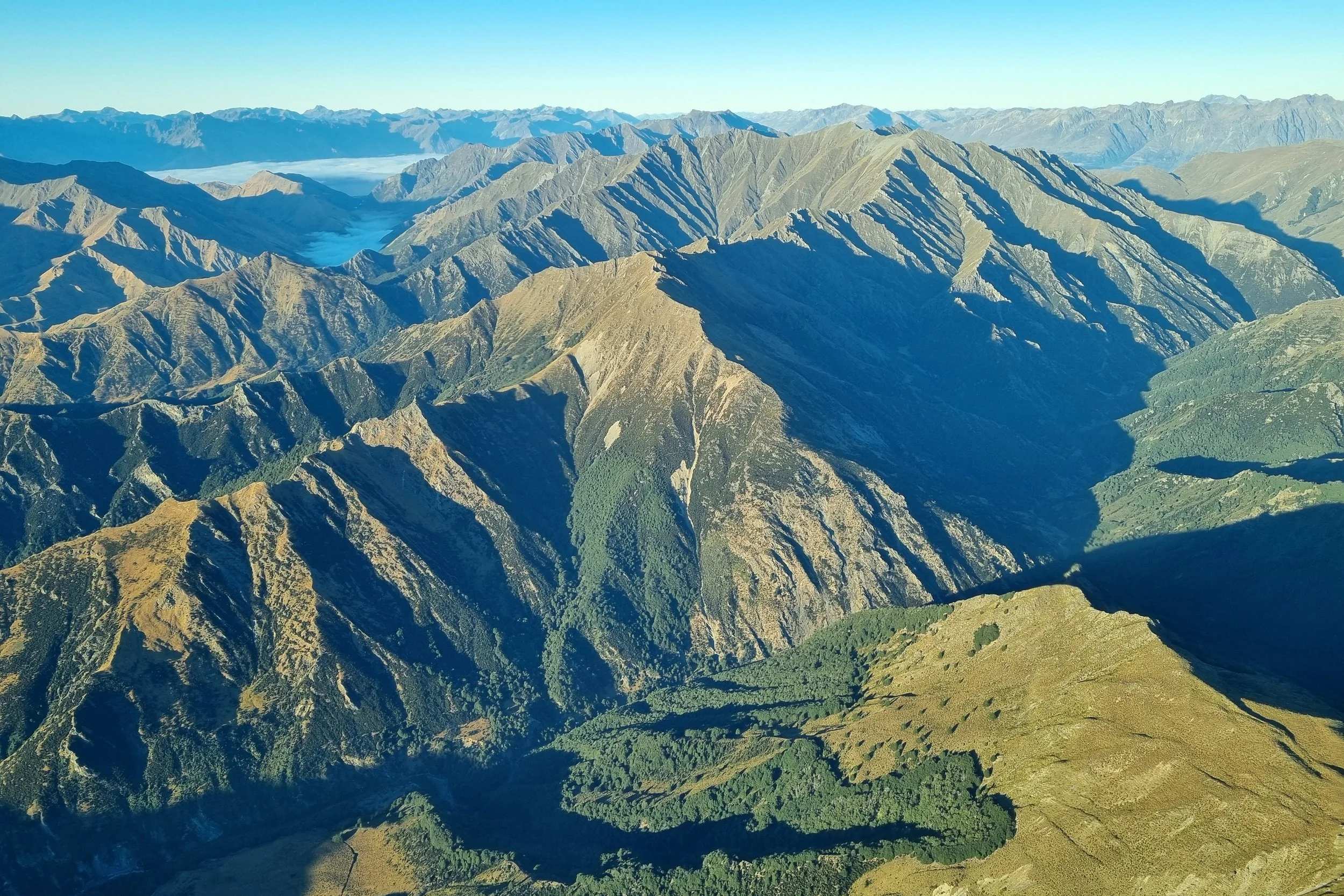
Southern Lakes Sanctuary
Imagine a sanctuary so massive it covers 850,000 hectares of tall mountains, deep valleys, rushing rivers, and giant lakes
Connect with field trip experts
Insights into people and their careers.
Explore the field trip videos
Join our field trip experts as we visit new places and learn new things.
Web conference
Join us at 0930 on Thursday September 3rd for our online webconference when you will be able to meet Blake and Beth and ask them questions about Landslides.