Returning Taonga Species
The Southern Lakes Sanctuary isn’t just focused on removing predators; it's also on a mission to bring iconic native species like takahē and mohua back to the environments where they once thrived.
What is translocation?
Think of translocation as a VIP moving service for wildlife. Experts carefully catch plants or animals in one area and relocate them to a safer new home. Every step—from the catch, transport, and release to checking on them afterwards—is planned to keep them healthy and safe.
Why do this?
Save endangered species: Increase the survival rate of vulnerable wildlife
Grow the population: Helps boost native bird numbers.
Bring them back: Reintroduces species to places where they had completely disappeared.
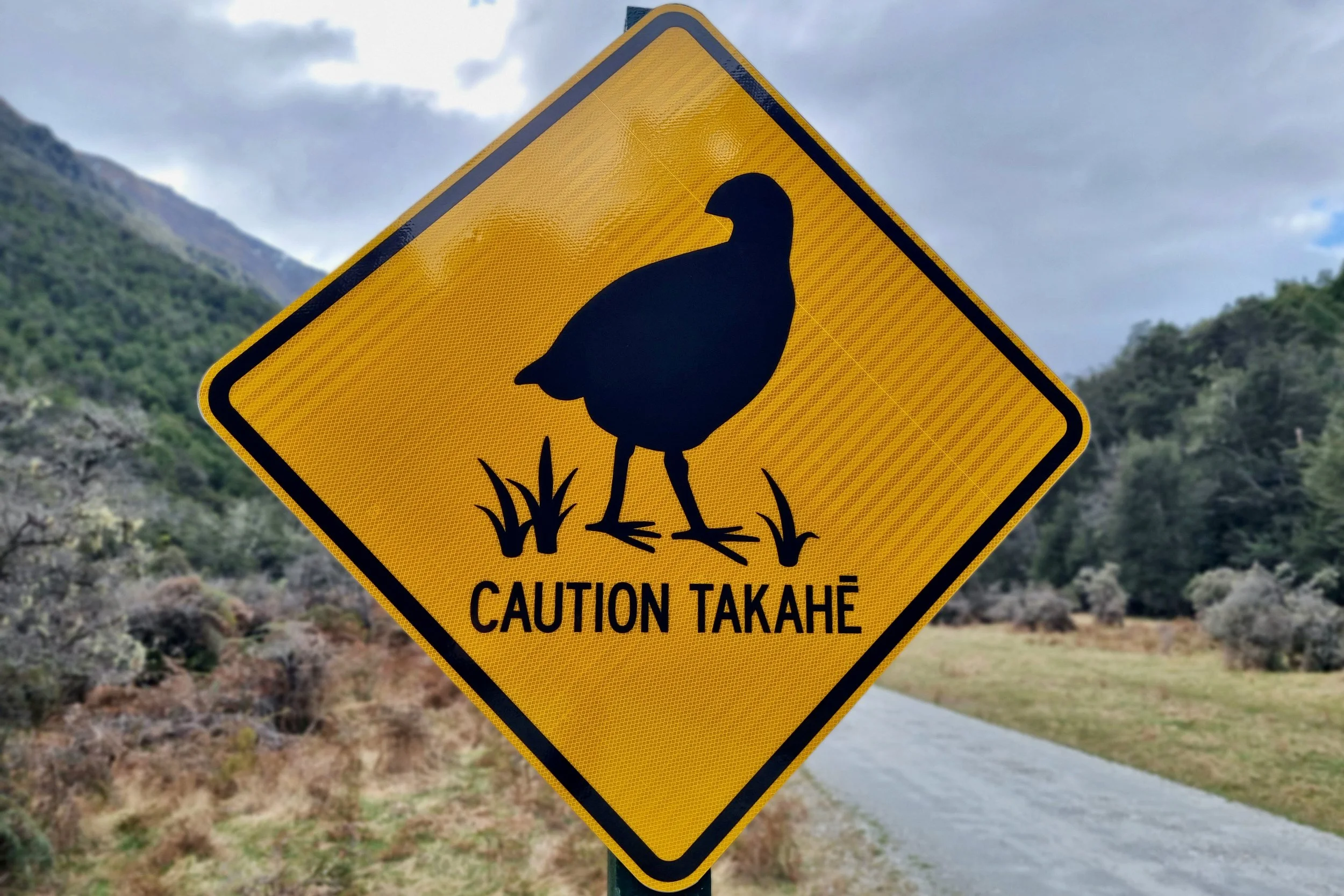
Takahē have been translocated into the Rees Valley near Glenorchy. Image: LEARNZ.
Bringing back the Takahē
These large, flightless birds used to roam all over Te Waipounamu, the South Island, but introduced pests, hunting, and habitat loss wiped out almost all of them. Only around 500 birds remain.
People thought takahē were completely extinct for almost 50 years! That changed in 1948, when an Invercargill doctor named Geoffrey Orbell tracked down a hidden group high in the Murchison Mountains of Fiordland. Finding them kicked off New Zealand’s longest-running endangered species recovery program.
Making the Rees Valley Safe
To bring takahē back to the Rees Valley, conservation teams needed to clear out dangerous predators first:
Before 2022: 258 traps were active in the area.
Now: Over 800 traps are set, catching thousands of pests, including stoats, feral cats, and rats.
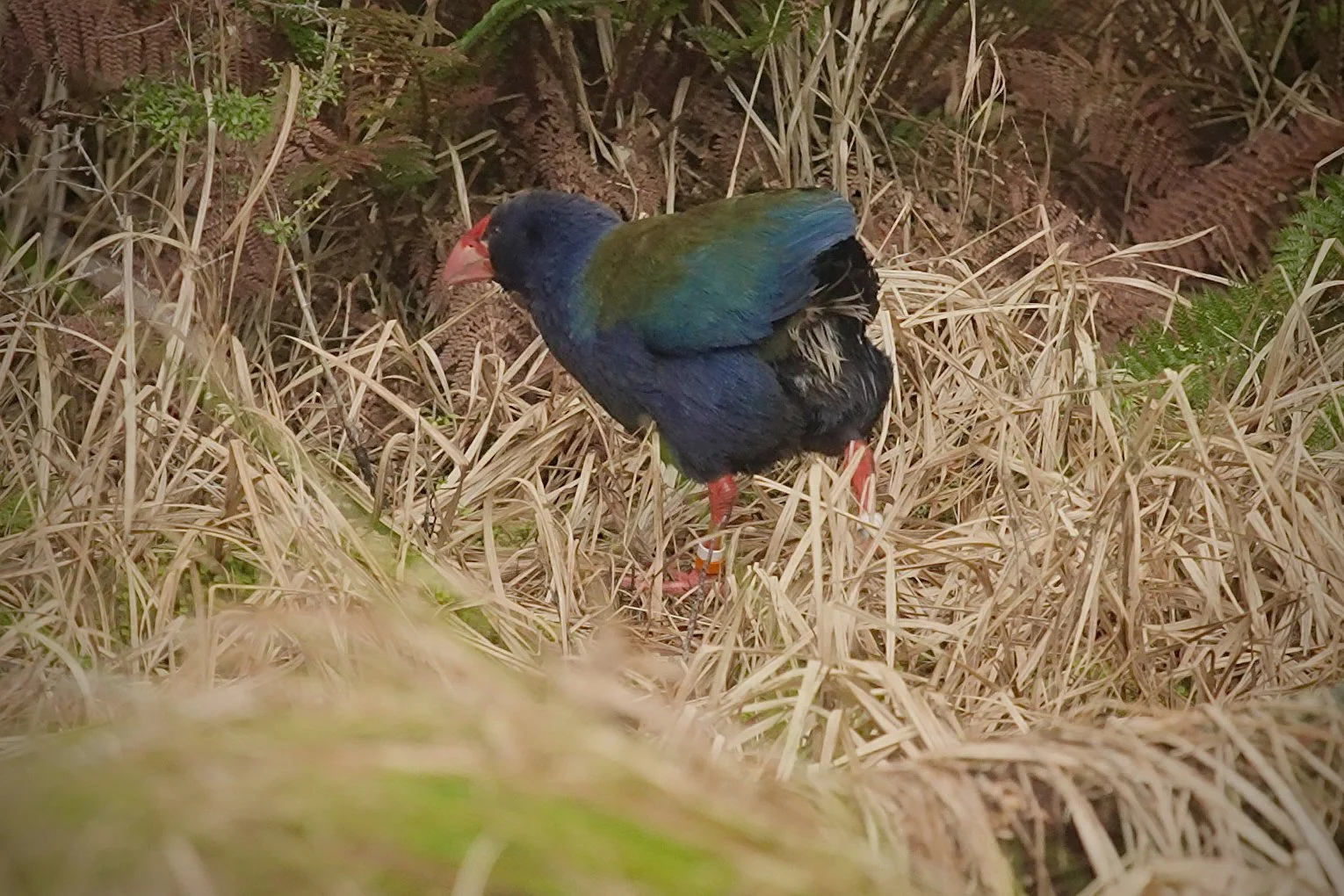
One of two takahē spotted in the Rees Valley during the LEARNZ field trip. Image: LEARNZ.
Since releases began in February 2025, 86 takahē have been reintroduced into the valley. Best of all, they've already started breeding, proving the valley is a safe, healthy environment. Plus, all this trapping work has created a safer home for other rare birds too—whio have returned for the first time in 50 years, and local weka have also been seen.
Mohua
Mohua | yellowheads were once common across the South Island, but today they’re one of our rarest forest birds. In 2025, experts carefully moved 50 mohua from Pukenui | Anchor Island in Fiordland over to the Matukituki Valley near Mount Aspiring.
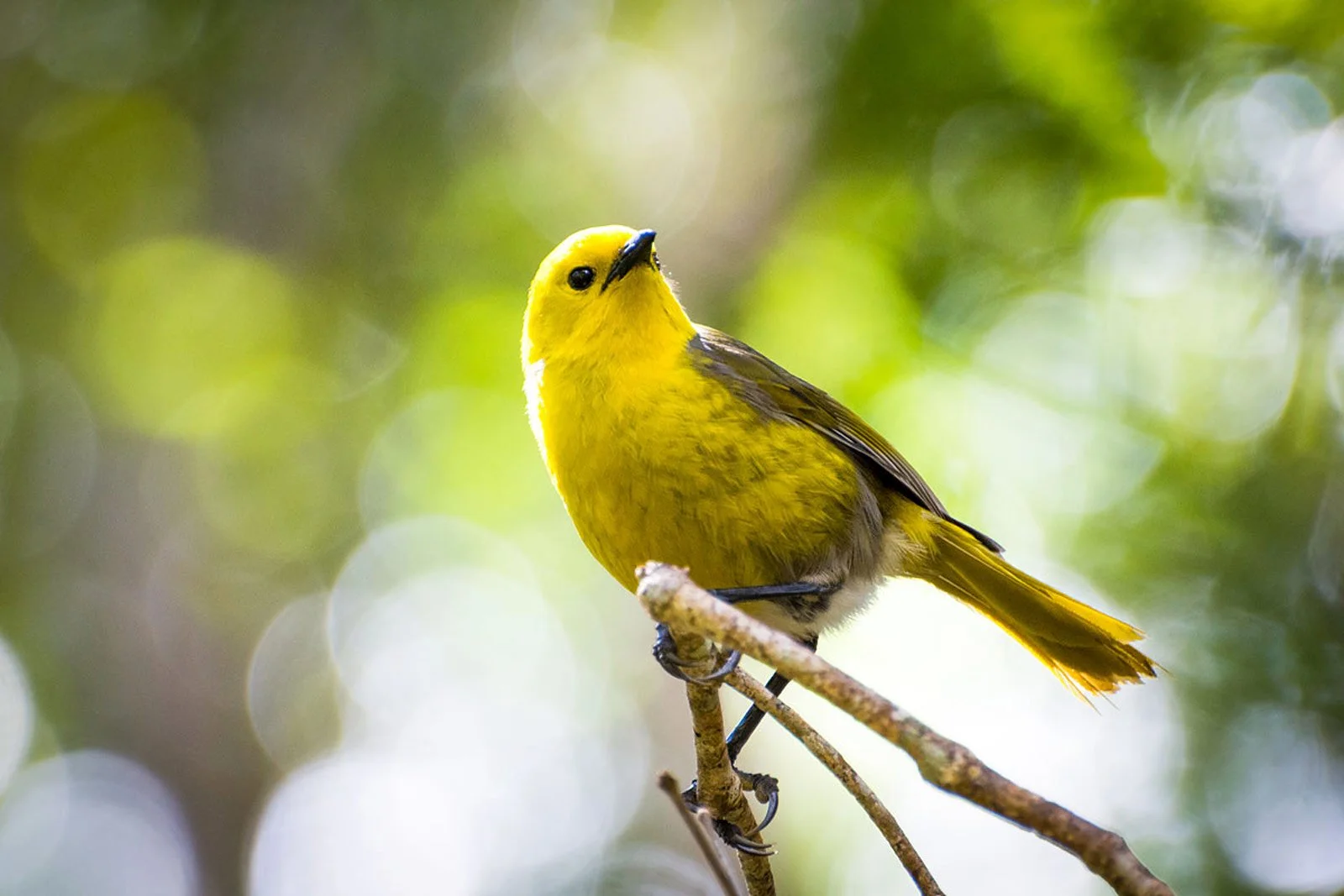
A mohua in Southern Lakes Sanctuary. Image: Jake Osbourne.
This return of mohua is the result of years of work by Matukituki Charitable Trust, Ngāi Tahu, the Department of Conservation, the Mohua Charitable Trust and Southern Lakes Sanctuary. It shows what can be achieved when groups work together to restore te taiao | the environment.