Unique Ecosystems
An ecosystem is like a neighbourhood or community where living and non-living things share a place to live. The living part of an ecosystem includes animals, plants, fungi, and bacteria, and is known as biotic factors. The non-living parts, such as sunlight, water, air, rocks, and soil, are called abiotic factors.
Because living things and their non-living surroundings depend on each other, we need to look at both parts together to understand how everything works.
The living lineup includes animals, plants, fungi, and bacteria, known scientifically as biotic factors. The non-living backdrop—sunlight, water, air, rocks, and soil—is made up of abiotic factors. Because every living thing relies on its environment, you have to look at both the living and the non-living parts to see how the whole system works.
Ecosystems have no size limit: a tiny mud puddle in your driveway is as much of an ecosystem as a massive forest, lake, river, or desert.
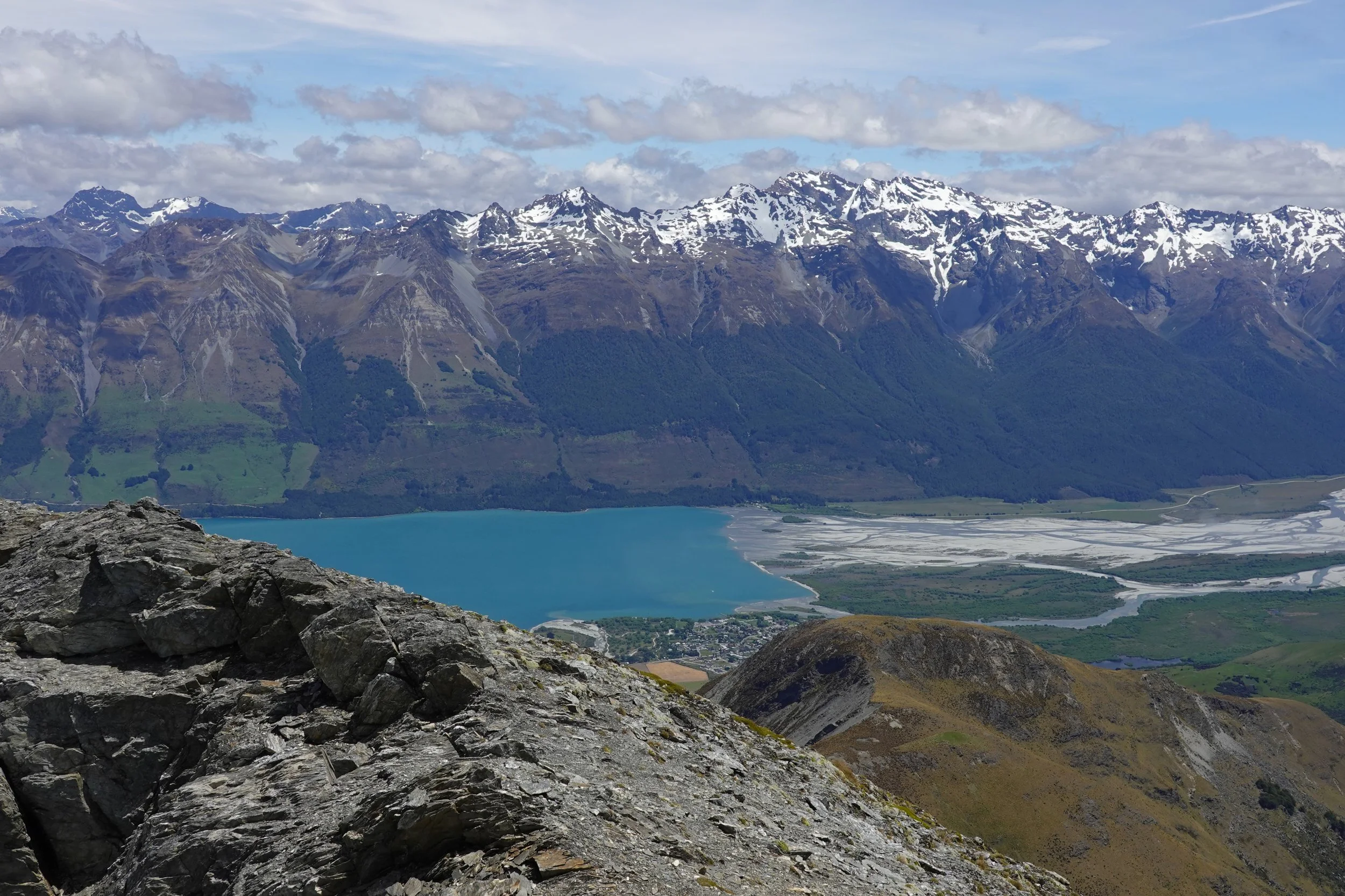
The Southern Lakes region has a variety of ecosystems, from mountains to lakes, that support a diverse range of species. Image: LEARNZ
What’s inside an ecosystem?
Every functional ecosystem needs four core players:
Producers: The creators. Plants take sunlight, water, and carbon dioxide to craft their own food (sugar) through photosynthesis.
Consumers: The eaters. All animals fall into this category because they can’t make their own food—they have to eat plants, other animals, or both.
Decomposers: The cleanup crew. Bacteria, bugs, and fungi recycle dead plants and animals.
Inorganic Matter: The building blocks. Non-living materials like air, water, rocks, and nutrients (nitrogen, phosphorus, and carbon) give producers the raw ingredients they need to make food.
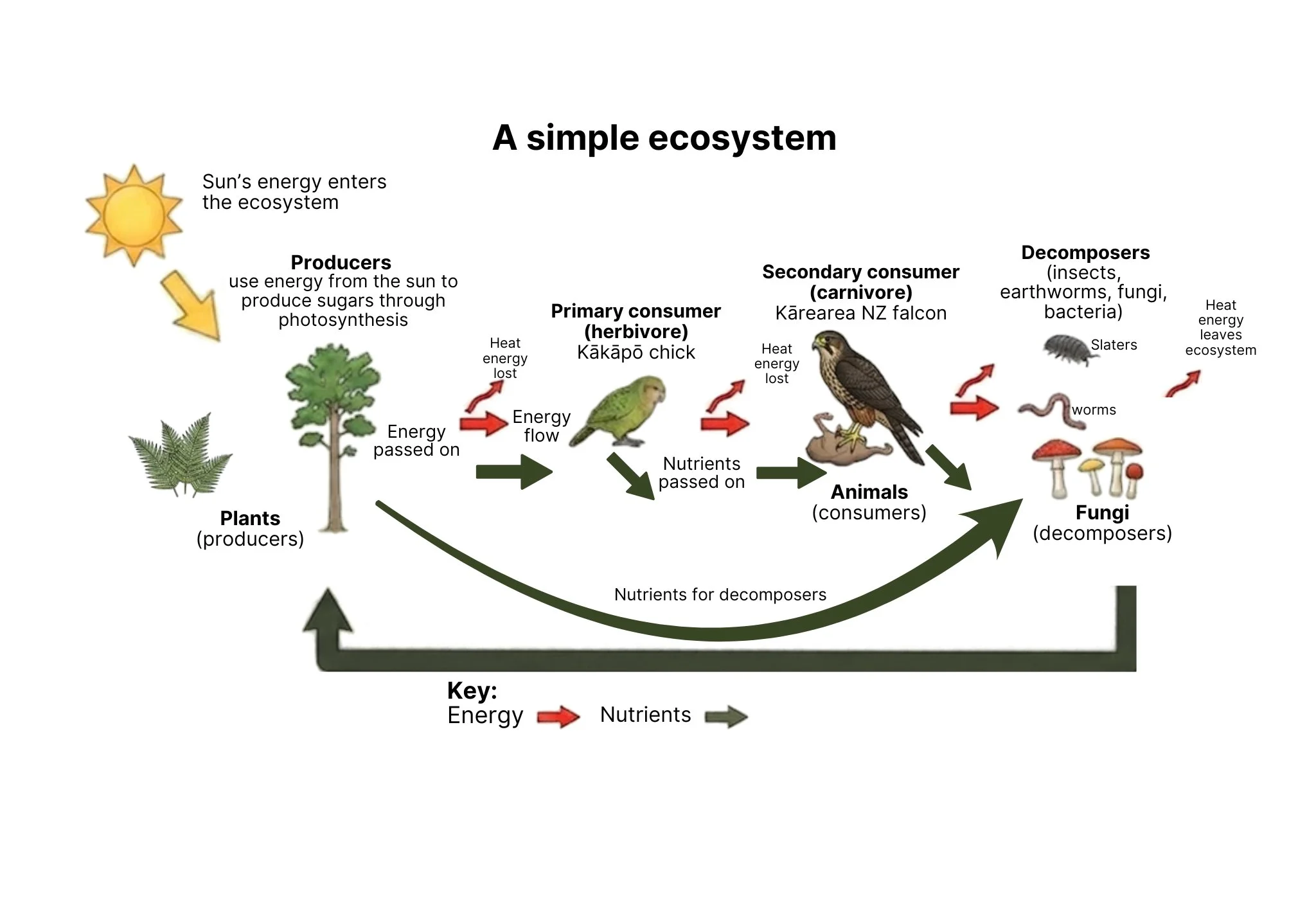
Everything runs on power, and almost all ecosystems get their energy from a single source: the Sun.
Why should you care?
Ecosystems are like a jigsaw puzzle; they need every piece to work. Every species plays an important role, and all species are interconnected. Small human actions can trigger massive chain reactions. For instance, introducing invasive predators or weeds can wipe out native species that have lived there for generations. When we understand how ecosystem connections work, we can step in to help heal damaged environments.
Ecosystem strength and biodiversity
Resilience: A resilient ecosystem is tough—it can take a hit (like a storm, drought, or heatwave) and bounce back without losing its key species. Without high resilience, a system breaks down under pressure, collapsing into a place where very few creatures can survive.
Biodiversity: The variety of life in a shared space. High biodiversity makes an ecosystem more resilient because multiple species share the same jobs—like filtering water or making oxygen. If one species struggles, others can step up to keep the system running.
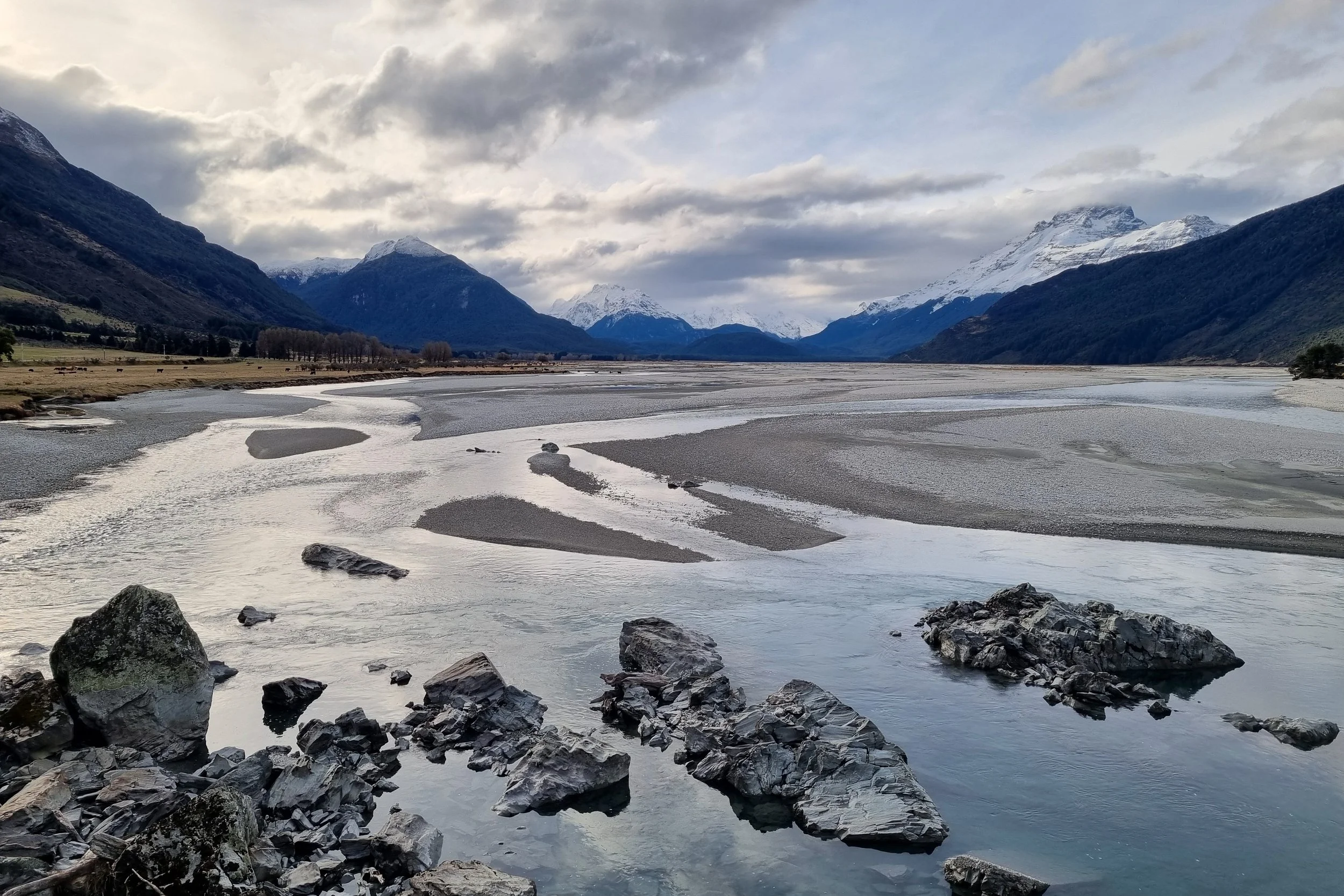
Southern Lakes Sanctuary has many braided river ecosystems. Image: LEARNZ
Southern Lakes ecosystems
Within the Southern Lakes region, nature shows off an incredible lineup of diverse environments:
Alpine: Glacier zones, snowfields, and rugged scree slopes
Sub-alpine: Tough mountain shrublands
Beech forests: Deep, ancient tree canopies
Braided riverbeds and wetlands: Shifting river paths and rich marshlands
Freshwater lakes and tussock lands: Deep alpine waters and golden grassy hills
Pasture: Open grassy farmland.
This wide range of habitats allows many unique native species to call the Southern Lakes home.
Native Birds Ngā Manu Māori
The Southern Lakes region is home to over 20 different native bird species. Each species plays a vital role in the health of this region’s ecosystems. That’s why Southern Lakes Sanctuary is leading a landscape-scale conservation effort to give these taonga a fighting chance to thrive again.
Some of the species you may encounter in this area include:
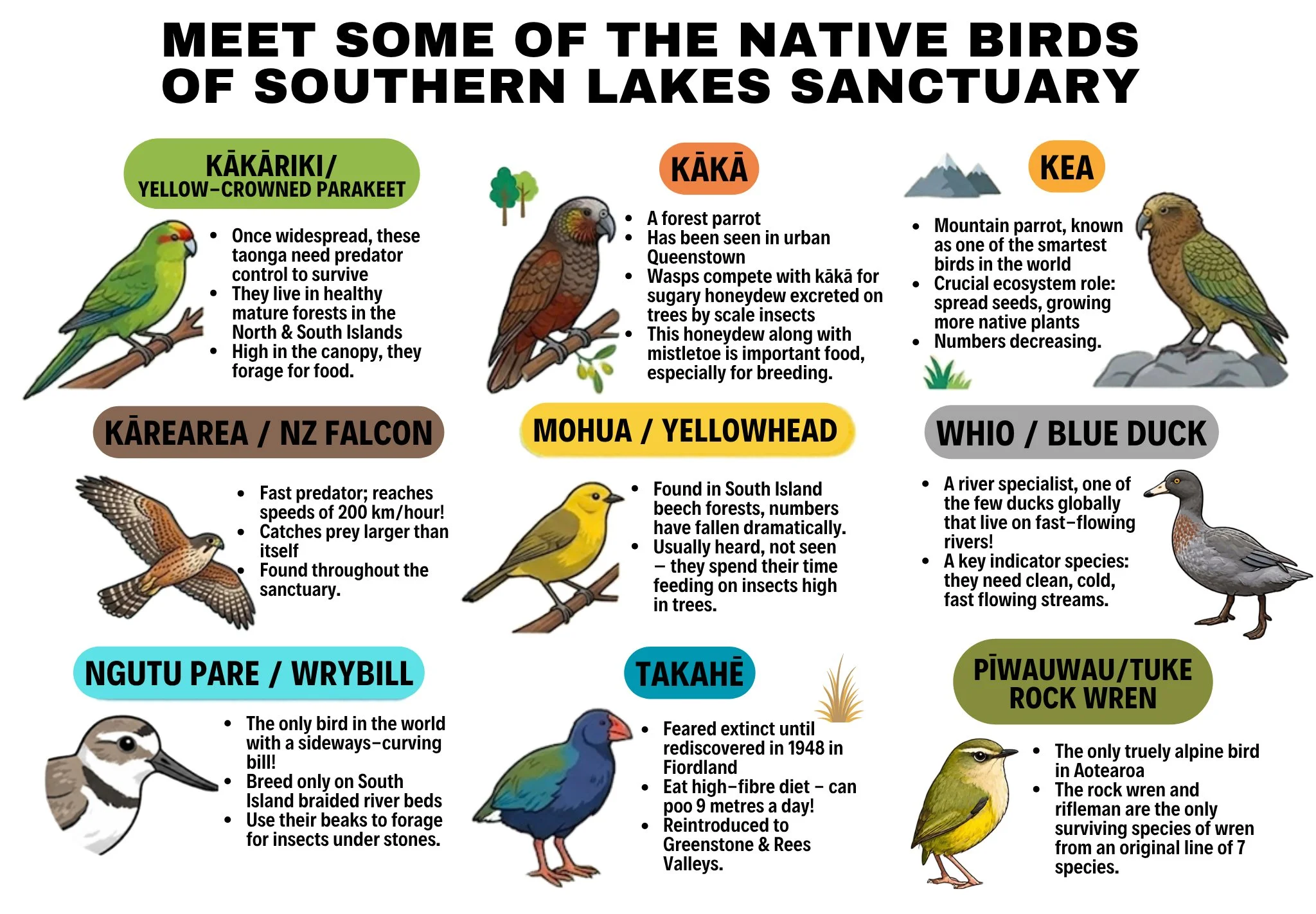
Other species include:
buff weka
kakaruai | South Island robin
kotoreke | marsh crake
mātātā | fernbird
matuku | Australasian bittern
pīhoihoi | New Zealand pipit
pohowera | banded dotterel
pūteketeke | Australasian crested grebe
tarapiroe | black-fronted tern
tarāpuka | black-billed gull
tōrea | South Island pied oystercatcher.
You can find out more about the other birds that live within the sanctuary here: https://southernlakessanctuary.org.nz/biodiversity/