Biodiversity Beyond Birds
As well as many native bird species, the Southern Lakes region is home to a variety of other curious creatures including lizards, bats, moths and wētā.
Mokomoko | Lizards
The rocky hills, shrublands, and dry grasslands around the Southern Lakes are home to 6-7 gecko species and 7-8 skink species. These little guys do a lot for our environment: they snack on bugs, feed native birds, and help spread seeds and pollinate plants.
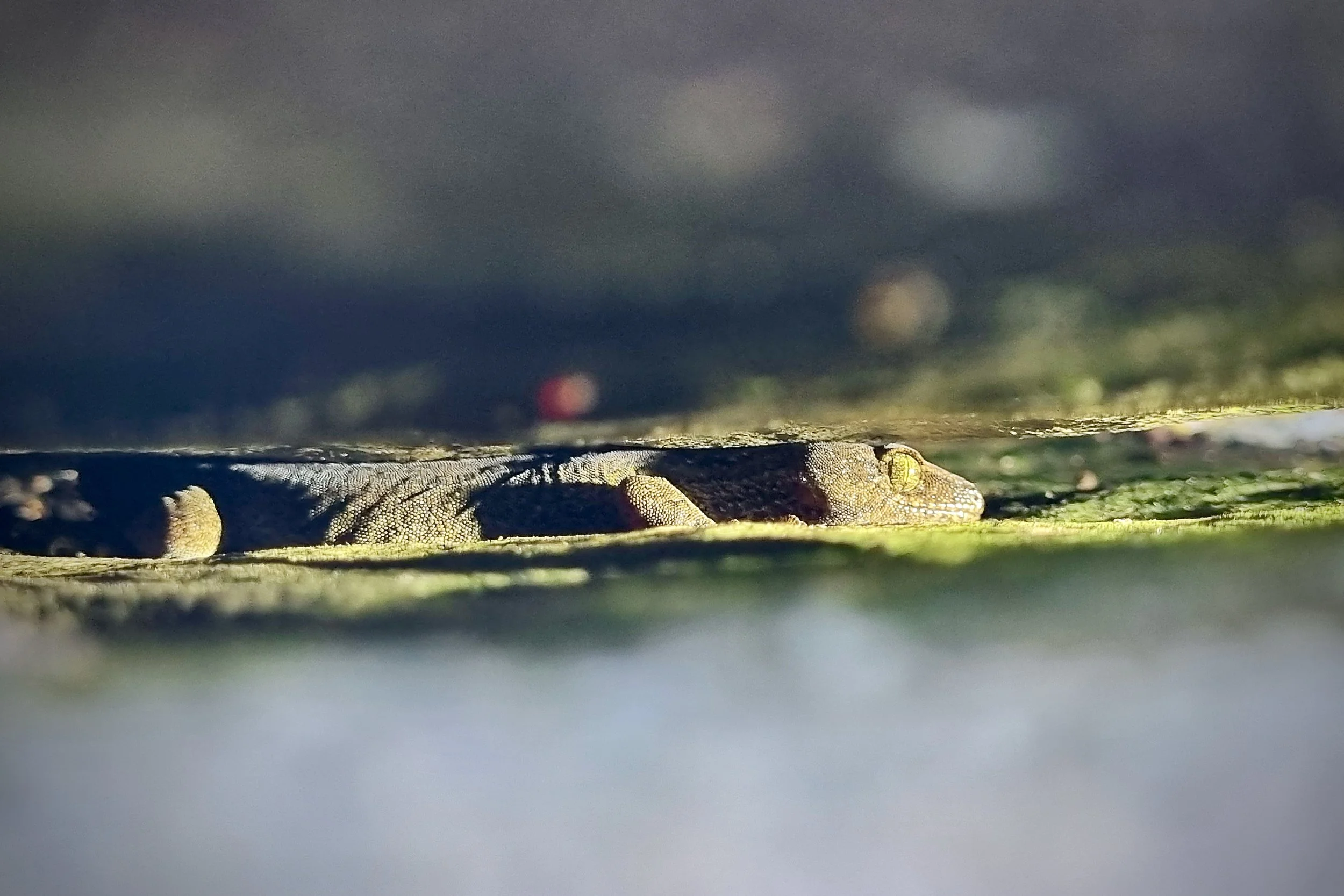
A mountain beech gecko in a rock crevice. Image: LEARNZ.
In Māori tradition, lizards are seen as important kaitiaki | guardians, though they can sometimes carry ill omens. Many iwi consider reptiles to be descendants of Punga—a son of Tangaroa, the ocean god—who fled to the sea when Ranginui | sky father and Papatūānuku | earth mother were separated.
While most traps target big pests like rats, stoats, and possums, sneaky mice are also a massive threat to our native lizards. Without mouse control, our local geckos and skinks could disappear completely. Scientists are currently testing new ways to stop mice and save our reptiles.
Pekapeka | Bats
Did you know that long-tailed bats | pekapeka-tou-roa, along with short-tailed bats, are Aotearoa’s only native land mammals? Hiding out in ancient beech forests, these tiny mammals weigh just 8 to 11 grams and can fit in the palm of your hand. At dusk, they swoop out into the open to hunt insects mid-air, zooming at speeds up to 60 km/hr.
Moths
Some people might think moths are dull, but they’re actually really important. They pollinate native plants and give scientists vital clues about how healthy an ecosystem is.
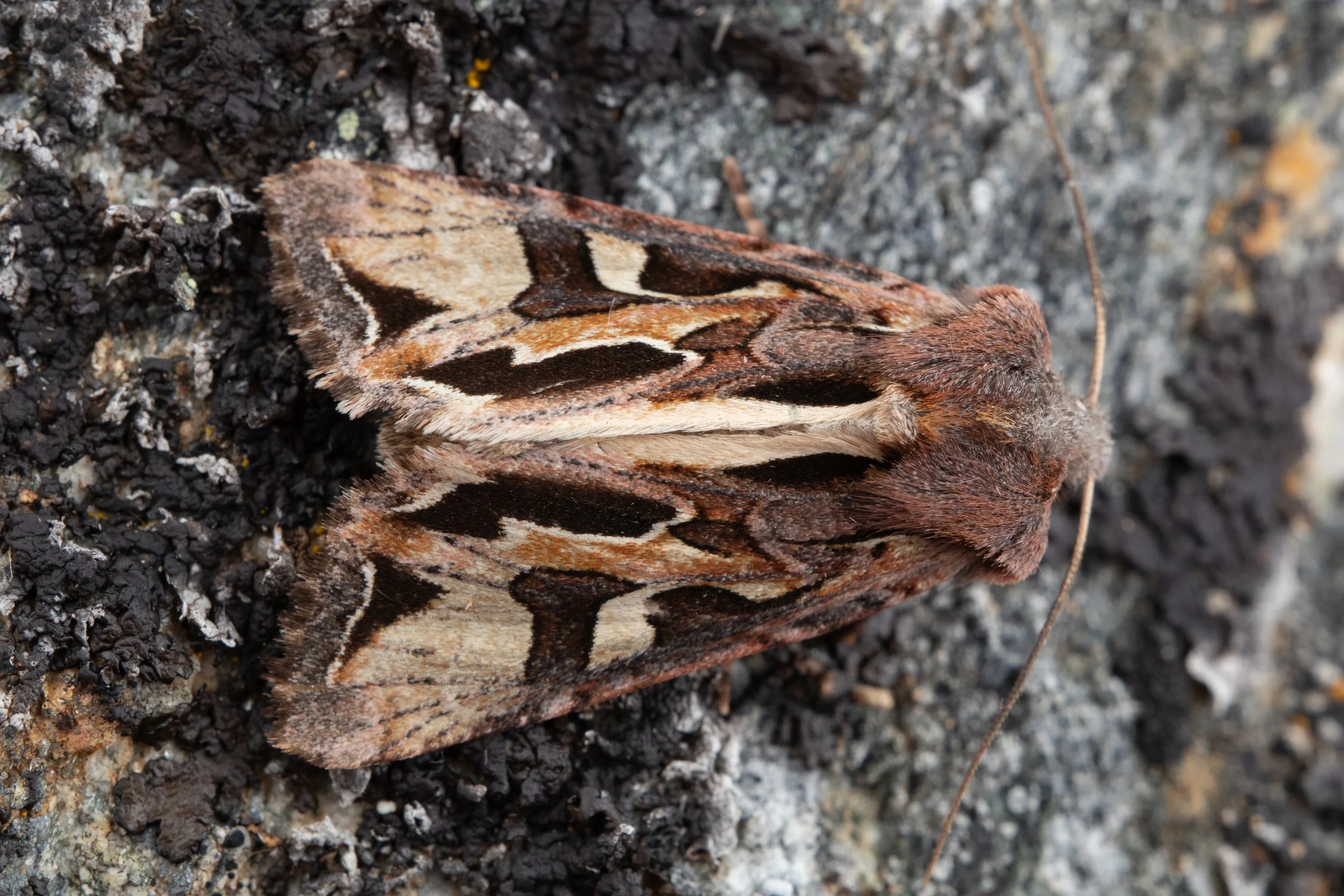
An alpine treasure owlet moth found near Tāhuna, Queenstown. Image: Sam Purdie.
Sadly, an estimated 70% of moth species in Aotearoa are at risk or facing extinction. To protect them, a research project on Te-Taumata-o-Hakitekura | Ben Lomond above Queenstown uses harmless, non-lethal traps to study and monitor local moth populations.
Wētā
Wētā punga o Kā Tiritiri o te Moana, the Southern Alps giant wētā, is not like regular wētā; these guys live high above the forest in the freezing mountains. They are so tough that they can basically freeze overnight in the alpine cold and thaw out the next day.
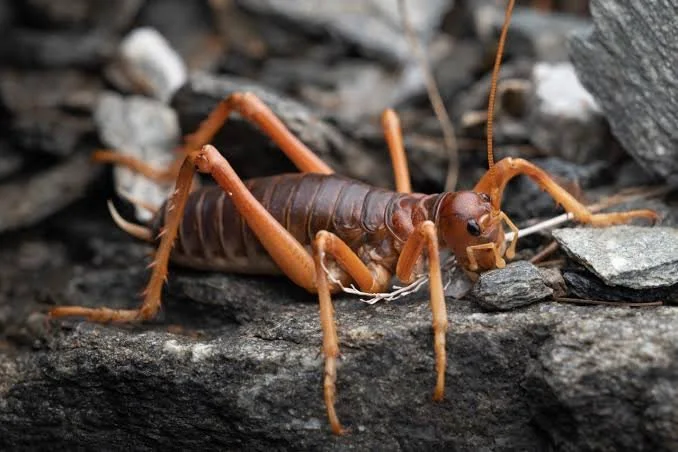
Wētā punga o Kā Tiritiri o te Moana, the Southern Alps giant wētā. Image: Sam Purdie.
These wētā are huge—a female can weigh as much as a mouse—making them one of the country's biggest insects. They like to go solo, hang out at night, and munch on leaves, flowers, and lichens. However, life is getting harder for these creatures as warmer temperatures change their mountain habitat and introduced pests like mice and stoats prey upon them.