New Zealand has a shorter human history than any other country. The exact date of settlement is a matter of debate, but current understanding is that the first arrivals came from East Polynesia in the 13th century.
It was not until 1642 that Europeans knew the country existed. The original Polynesian settlers discovered New Zealand during planned voyages of exploration, navigating by ocean currents, the winds, and stars.
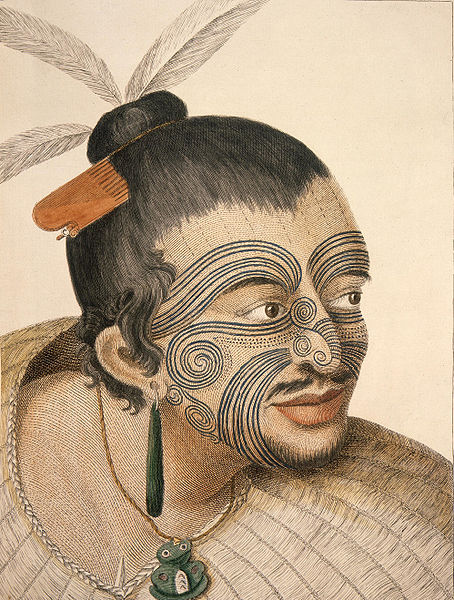
Traditions tell of the legendary navigator - Kupe who discovered Aotearoa New Zealand. Some time later the first small groups arrived from Polynesia. Now known as Māori, these tribes did not identify themselves by one name until the arrival of Europeans when, to identify themselves the name Māori, meaning ‘ordinary’, was used.
Hunting, gathering and growing
Māori were expert hunters and fishermen. They wove fishing nets from harakeke (flax), and carved fishhooks from bone and stone. They hunted native birds with a range of clever traps and snares.
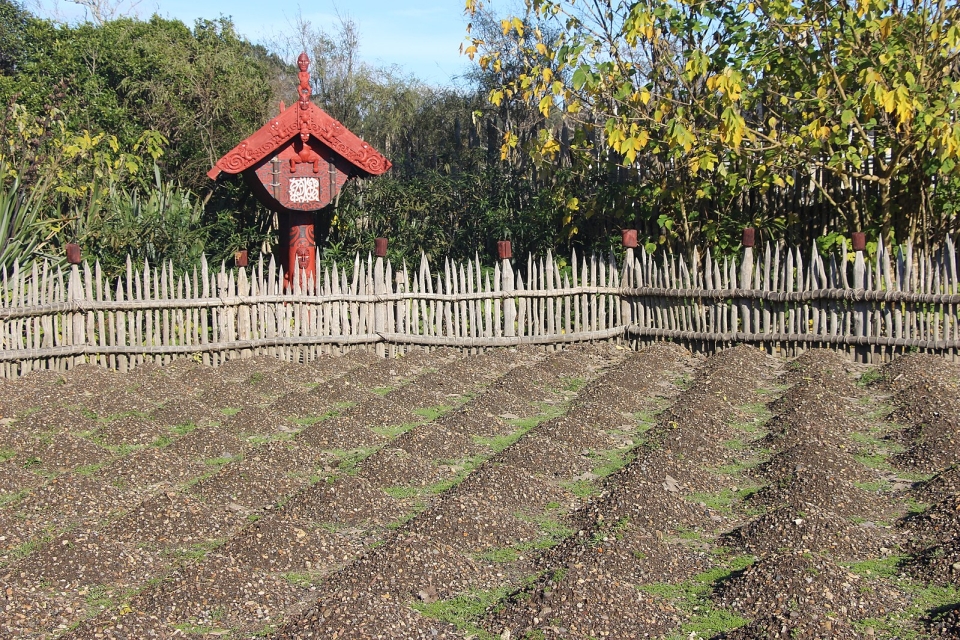
Māori created gardens and grew vegetables which they brought from Polynesia, including the kūmara (sweet potato). They also ate native vegetables, roots and berries. Kete were used to carry food, which was often stored in a pataka — a storehouse raised on stilts.
The early settlers lived in small hunting groups. Seals and the large, flightless moa bird were the most hunted, until moa were hunted to extinction. Birds, fish and shellfish were important in the Māori diet. The Polynesian dog and rat were also brought, but the domestic pigs and chickens of the Pacific Islands were either not brought or did not survive the journey.
Population
Māori quickly adapted to life in New Zealand. Their life expectancy was similar to that of Europeans at that time (about 30-35 years of age). The Māori population before European contact may have reached 100,000.
An oral culture
Māori passed on rich and detailed history and legends orally. Society was organised around groups that traced their descent from common ancestors. Reciting whakapapa (genealogies) was and still is an important way to communicate knowledge. Whakapapa links people, ancestors, relationships and provides a connection to the land. It shapes a person’s character and informs them about how they should live.
Warfare
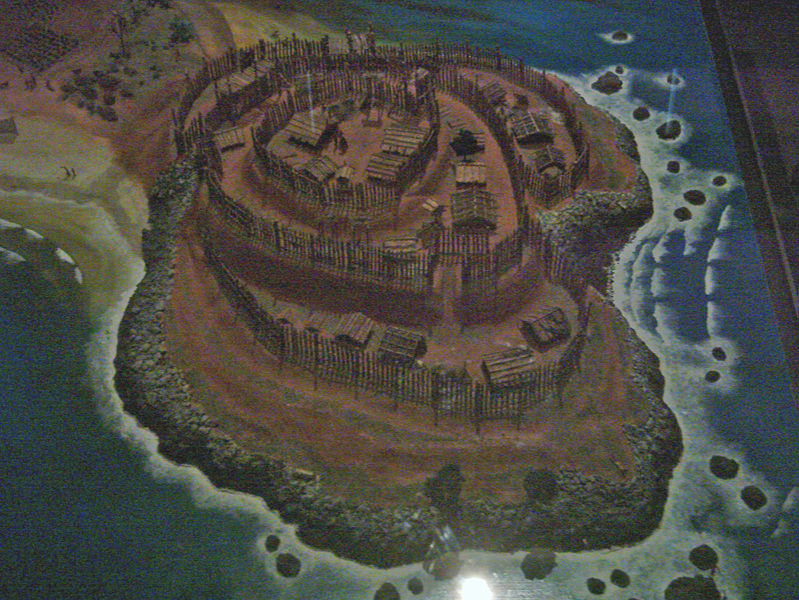
The concepts of mana (status) and utu (reciprocity) were strong in Māori culture, and led to widespread warfare. Wars usually only lasted for short periods of time. To protect themselves from being attacked by other iwi, Māori would construct pā (fortified villages). Pā were located in easy to defend locations such as on hills or headlands. Pā were well built with a series of walls and trenches that protected its people from intruders. Today, many historic pā sites can be found throughout the country.
Māori also lived in unprotected settlements or seasonal camps. 
Craft and trade
Early Māori were skilled at wood and stone carving. They included wood carvings in important buildings and waka (canoes). They shaped stone into tools and ornaments. Food, tools and stone ornaments were traded with European whalers and sealers before Europeans settled in New Zealand.
Ready for a quiz? Try the "Māori Arrival in Aotearoa" activity.