Why monitor a wetland?
Monitoring a wetland is a way of measuring how healthy it is. It can be done to:
- improve the quality of water in streams for fish
- follow the effects of - for example - stock damage from a nearby farm, a quarry upstream, or storm water discharge
- assess how a wetland responds if such activities cease
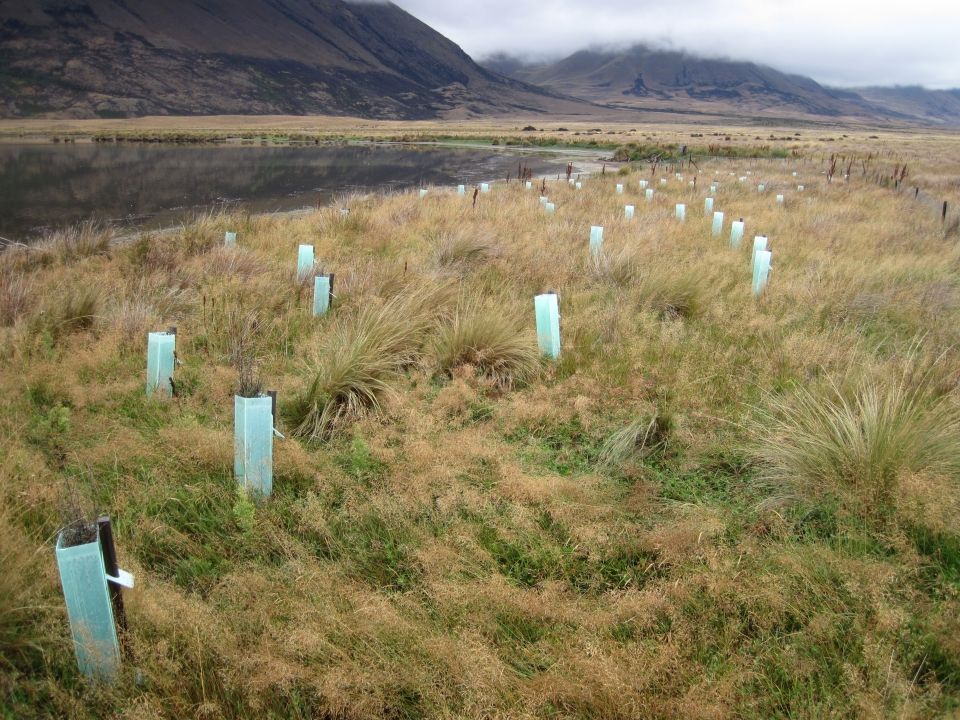
- check changes following riparian planting
- enhance a wetland that is in public view.
How it is done
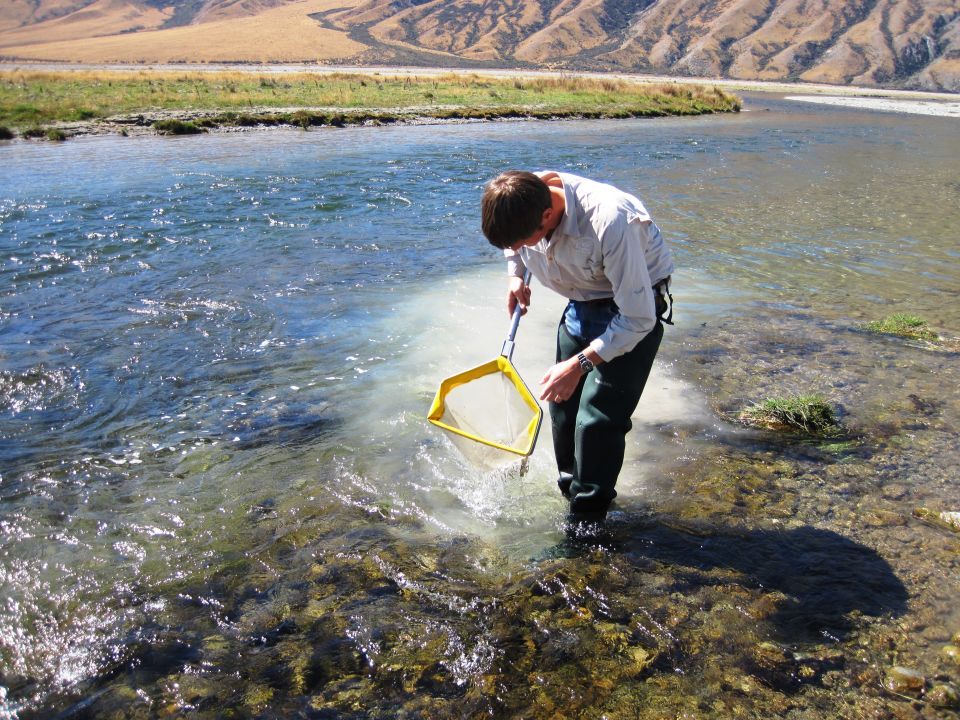
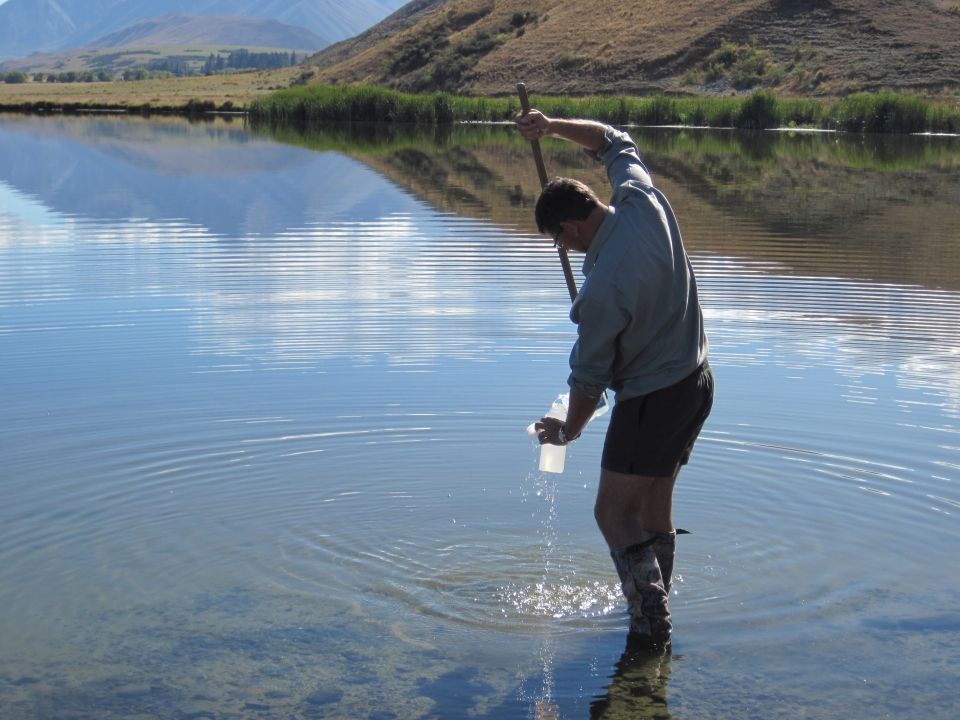
The monitoring itself involves sampling and taking notes about:
- habitat information e.g. water temperature and clarity; composition i.e. what the wetland is made up of; presence and amount of loose, silty deposits.
- biological data e.g. presence or absence of animals and plants, numbers of certain organisms.
A wetland monitoring kit can be used to help with observing, measuring, collecting and recording information. An array of equipment is used to gather this information over a period of time. A scoring system is applied to the information collected about the wetland. The score totals can then be plotted on a graph to give a visual idea of how healthy the wetland is and how it is changing over time.
Insect sampling
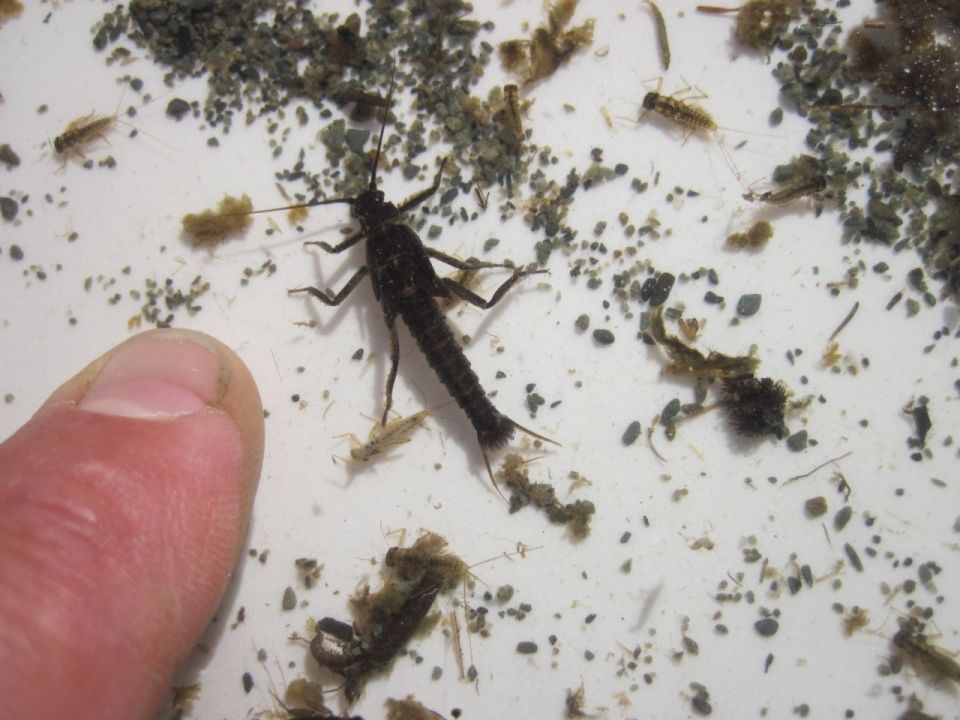
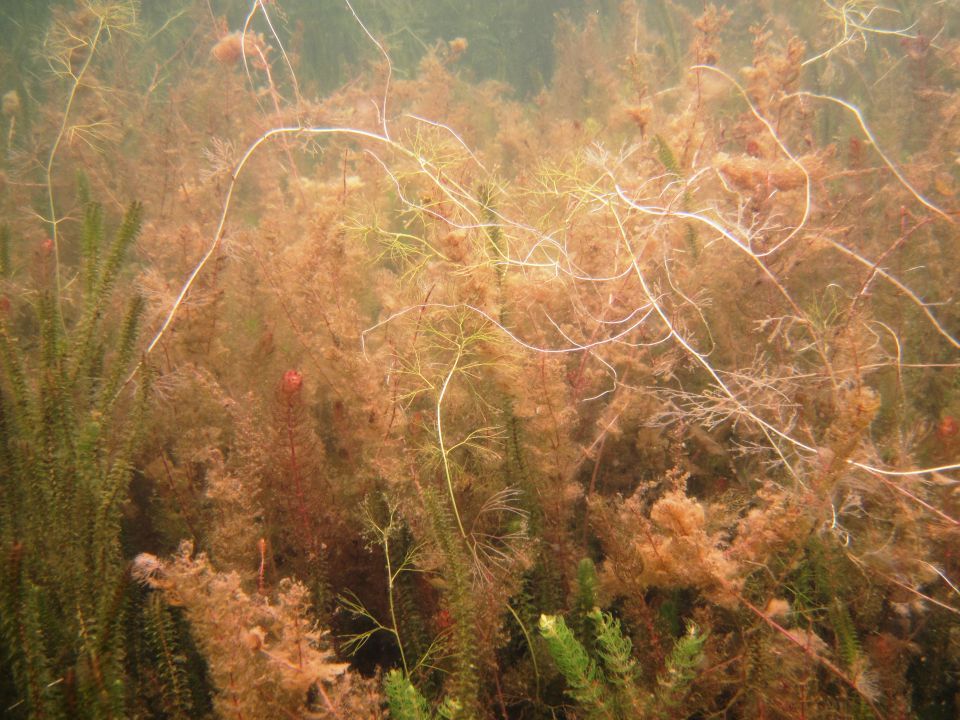
Biological monitoring involves sampling aquatic life. The focus can be on any or all of the types of organisms in the wetland community: algae, invertebrates or fish. Invertebrates are often used to indicate stream health because they show chemical and physical changes to their environment, and they are easy and cheap to collect. There are two main types of sampling:
- qualitative sampling: simply observing and seeing what is present or absent.
- quantitative sampling: involves collecting (and then releasing) wetland bugs, counting and sorting them. Scientific charts can be used to help determine the health of the wetland based on the number and types of invertebrates collected.
- A wetland community that supports a wide diversity of invertebrates is considered healthy, and will be more stable.
Taking action!
Once the waterway has been monitored using biological, physical and chemical measurements, it is time to move on to the next stage - from monitoring to action. Information from monitoring helps to define the problem and ultimately leads to actions that protect and enhance the wetland. Some possible actions are:
- using the data gained from monitoring to support enhancement activities
- applying for assistance and funding from environmental agencies or the community
- researching native freshwater planting guides
- making decisions for future freshwater monitoring and restoration projects
- consultation with local Tangata Whenua.