

Te Wāhi Pounamu
Exploring the origins and significance of pounamu with Ngāti Waewae
About this field trip
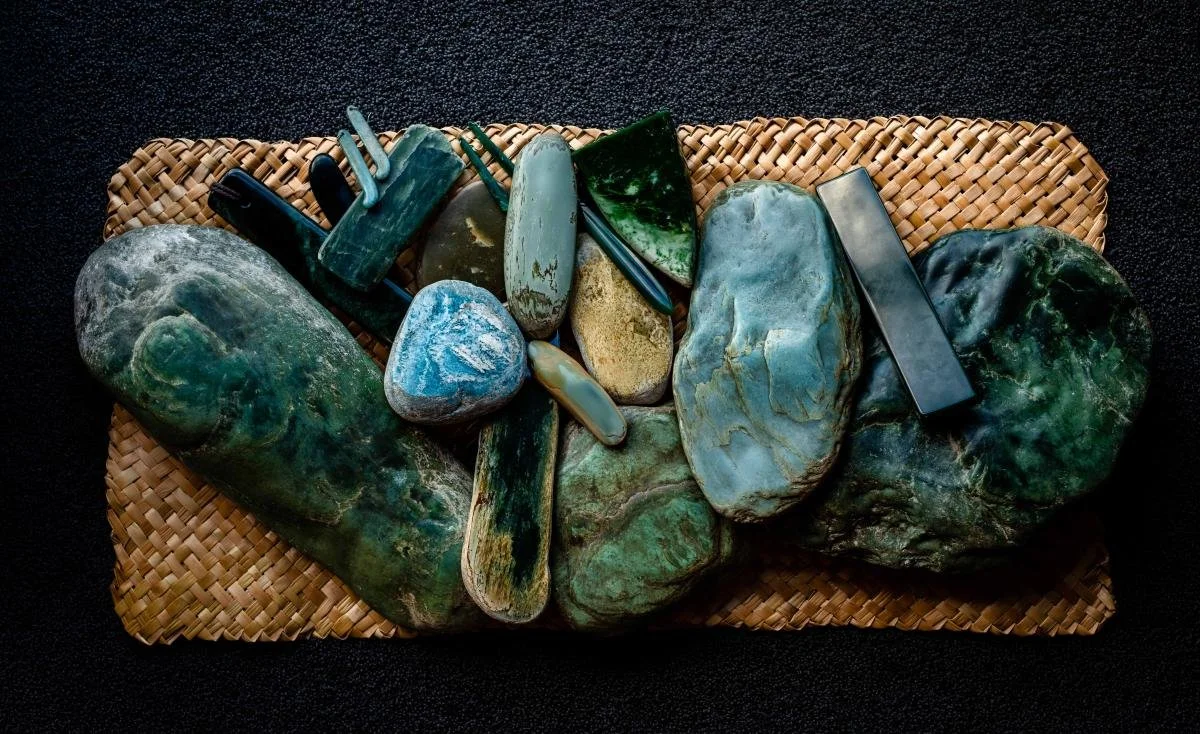
Te Wāhi Pounamu, meaning ‘the place of pounamu,’ refers to the South Island, the only place where this treasured stone is found. Pounamu is a taonga, holding deep cultural, spiritual, and historical significance for Māori.
Join field trip experts from Ngāti Waewae in Hokitika on Te Tai Poutini the West Coast and be immersed in the world of pounamu. Through pūrākau and visiting key locations, ākonga will gain a deeper understanding of the cultural heritage, significance, and guardianship of pounamu.
Objective
Exploring the origins of pounamu, as well as its cultural and environmental significance, deepens appreciation for the traditions, identity, and environmental connection associated with pounamu.
Key learning
Uncover the pounamu creation narrative of Ngāti Waewae, how it acts as a geological guide, and its role in passing down ancestral knowledge.
Discover the geological formation of pounamu and its enduring cultural, historical, and spiritual importance to Ngāti Waewae.
See how pepeha and reo Māori link Ngāti Waewae to pounamu and the surrounding landscape.
Visit Te Arahura awa, a revered source of pounamu, to learn about the tikanga surrounding its collection and use, and the principles of guardianship that ensure its preservation.
Explore the expertise of whakairo pounamu (carving pounamu), the tools and techniques used, and the deep symbolism behind each piece.
Trace the evolution of how pounamu has been used, from traditional adornments and tools to contemporary expressions of Māori identity and heritage.
Student-led inquiry
Encourage ākonga to venture into their own learning, ask questions about pounamu, and develop projects on the origins and significance of this taonga stone. Explore how they can apply both Western science and mātauranga Māori to their inquiries.
Curriculum alignment
This virtual field trip aligns with The New Zealand Curriculum refresh (2022), incorporating learning areas such as science, social sciences, and sustainability. Access guidance to support the integration of mātauranga Māori and environmental education in alignment with curriculum goals.
Educator guide
This curriculum guide supports teachers to deliver an integrated unit of learning across curriculum areas, using the real-world context of Ngāti Waewae and their connection to pounamu.
The objective is to deepen understanding of the cultural, historical, and environmental significance of pounamu through the narratives, places, and practices of Ngāti Waewae, and to explore how tangata whenua express identity, connection, and kaitiakitanga through taonga like pounamu.
Key learning opportunities
Learning about pounamu is a deeply integrated experience that connects ākonga with the land, its history, and the people who have safeguarded it for generations. It is not just about understanding a type of stone – it is about exploring how a natural taonga becomes a symbol of identity, mana, connection, and guardianship.
Through pounamu, ākonga learn:
Whakapapa and identity: Pounamu is embedded in pūrākau of iwi, linking people to place and to tūpuna. Learning about it fosters a stronger sense of connection to whenua and cultural identity.
Kaitiakitanga in practice: The sustainable use, protection, and reverence of pounamu by mana whenua models environmental stewardship and intergenerational responsibility.
Mātauranga Māori and western science: The journey of pounamu combines geological knowledge with mātauranga Māori, showing how indigenous science and western science can work together to tell a fuller story.
Cultural expression: Pounamu is a medium for whakairo (carving), gifting, and ritual, and helps ākonga understand how art can preserve and convey meaning.
Contested histories and rights: Learning about who has rights to access and work with pounamu introduces ākonga to important discussions around Te Tiriti o Waitangi, resource management, and cultural authority.
Learning areas and achievement objectives
-
Focus strand: Tūrangawaewae me te kaitiakitanga – Place and environment
Achievement objectives:
Understand how people view and use places differently.
Understand how iwi and hapū have developed relationships with their environment and exercised kaitiakitanga over time.
Understand the importance of taonga in expressing identity and preserving cultural knowledge.
Learning activities:
Explore pūrākau from Ngāti Waewae that link their identity to pounamu.
Analyse how kaitiakitanga is practised through pounamu extraction protocols.
Investigate the cultural significance of Te Arahura awa and how Ngāti Waewae safeguard it.
-
Strands: Planet Earth and beyond, Nature of science
Achievement objectives:
Investigate the formation and characteristics of geological materials.
Describe how natural features influence human activity and cultural practice.
Learning activities:
Explore the geological formation of pounamu through maps and rock samples.
Compare scientific knowledge with pūrākau.
Examine the location of pounamu deposits and their cultural relevance.
-
Understand: The stories of Aotearoa New Zealand are unique and special | He taonga tuku iho ahurei ngā pūrākau o Aotearoa, nō konei taketake.
Know: Features and structures of language | Ngā āhuatanga reo. Students know some local stories that provide insights into their rohe and community. They also know some stories from Aotearoa New Zealand and the Pacific.
Do: Comprehending and creating texts | Te whakamahi rautaki ki te whai māramatanga.
Learning activities:
Read and interpret pūrākau about pounamu and related iwi narratives.
Write a reflective piece or persuasive article about the importance of taonga.
Present a spoken or digital retelling of the pounamu origin story.
-
Strand: Visual arts
Achievement objective:
Develop and revisit visual ideas in response to observation, imagination, and cultural inspiration.
Learning activities:
Create a pounamu-inspired carving or wearable taonga using classroom-safe materials.
Explore the symbolism of whakairo and its connection to identity and story.
Display artworks accompanied by artist statements explaining cultural meaning.
-
Strands: Technological knowledge, Nature of technology
Achievement objectives:
Understand how materials are used and adapted for cultural purposes.
Explore how cultural and environmental factors influence technological practice.
Learning activities:
Investigate traditional tools and techniques used in pounamu carving.
Compare historical and modern approaches to pounamu extraction and usage.
Design a tool, object, or digital prototype that reflects the properties and values of pounamu.

This trip reflects the United Nations Sustainable Development Goals (SDGs), especially Goal 11: Sustainable Cities and Communities: 11.4 Strengthen efforts to protect and safeguard the world’s cultural and natural heritage.
Discover more
Select a topic or image link for background information, images, narrations, and kupu Māori | key words for each topic.
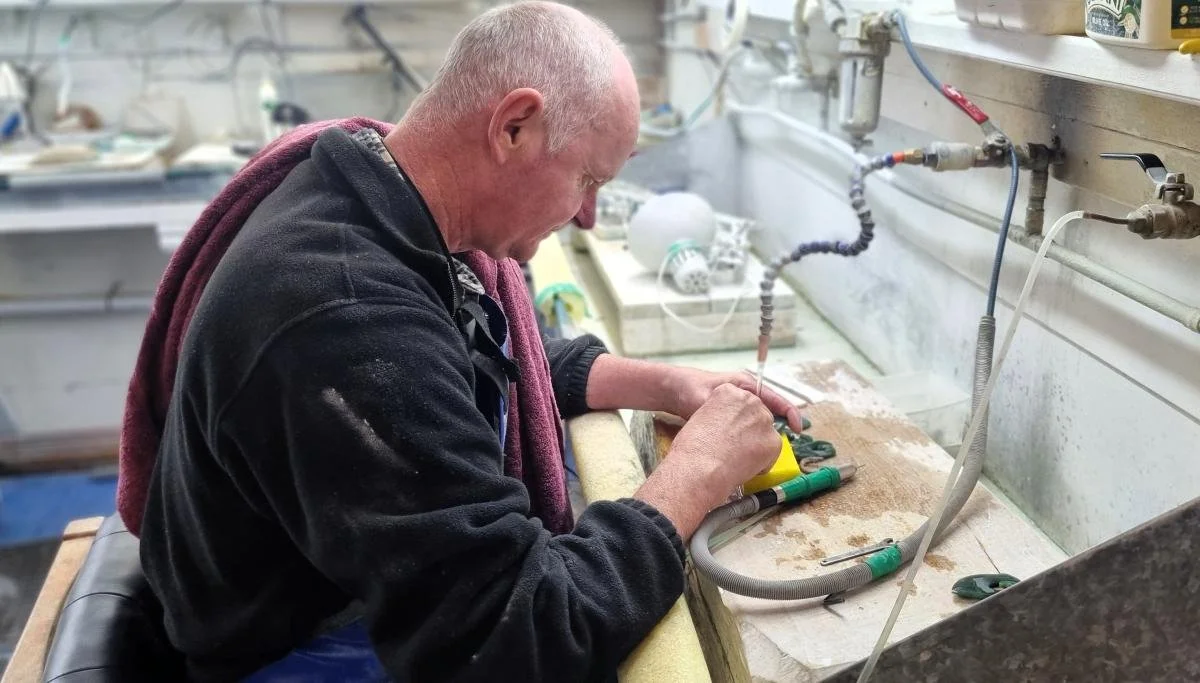
Waewae Pounamu – taonga carved with care
On the field trip, we meet carvers from Waewae Pounamu and visit their workshop to see them at work.
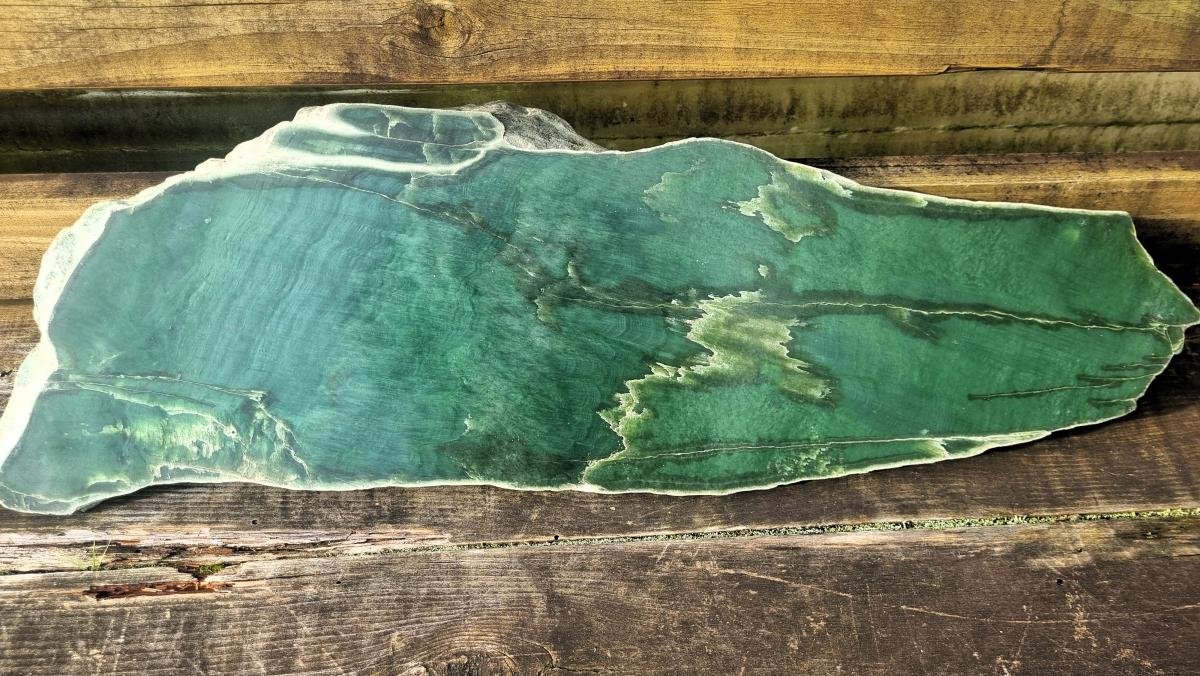
Pounamu significance and history
Pounamu isn’t just a beautiful stone – it holds deep meaning for Māori and for Aotearoa New Zealand.
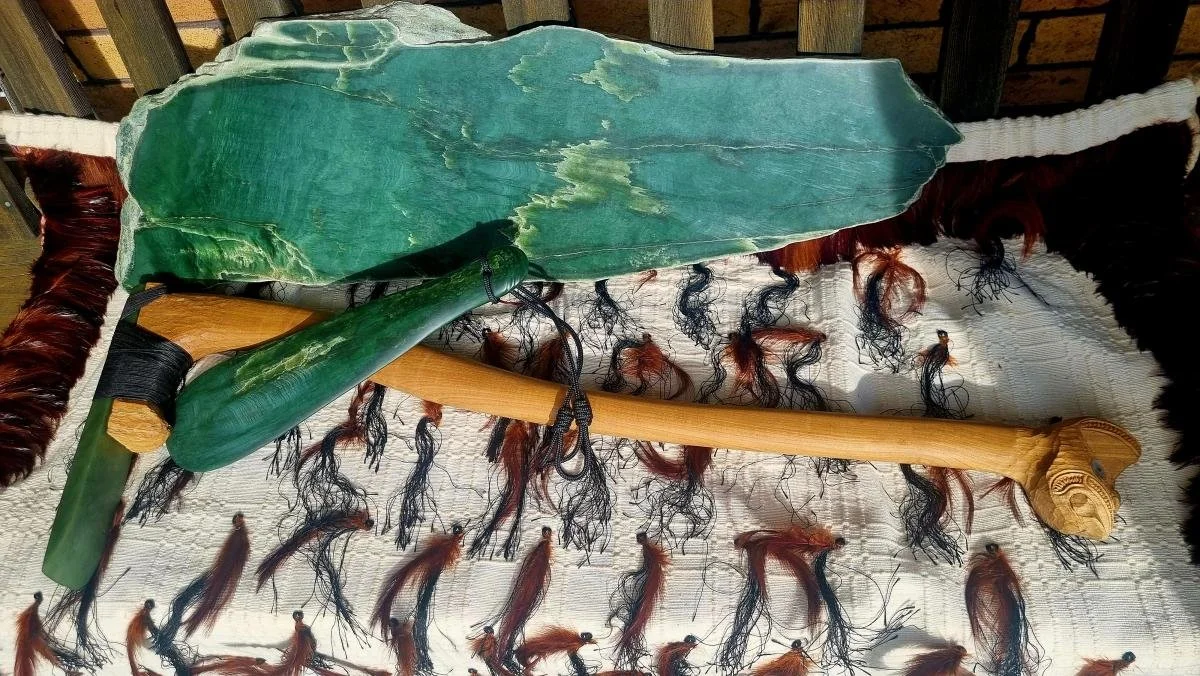
The changing role of pounamu
In the past, Māori used pounamu mainly for tools, weapons, and important adornments. Because of its strength and toughness, it was ideal for things like toki, chisels, and patu.
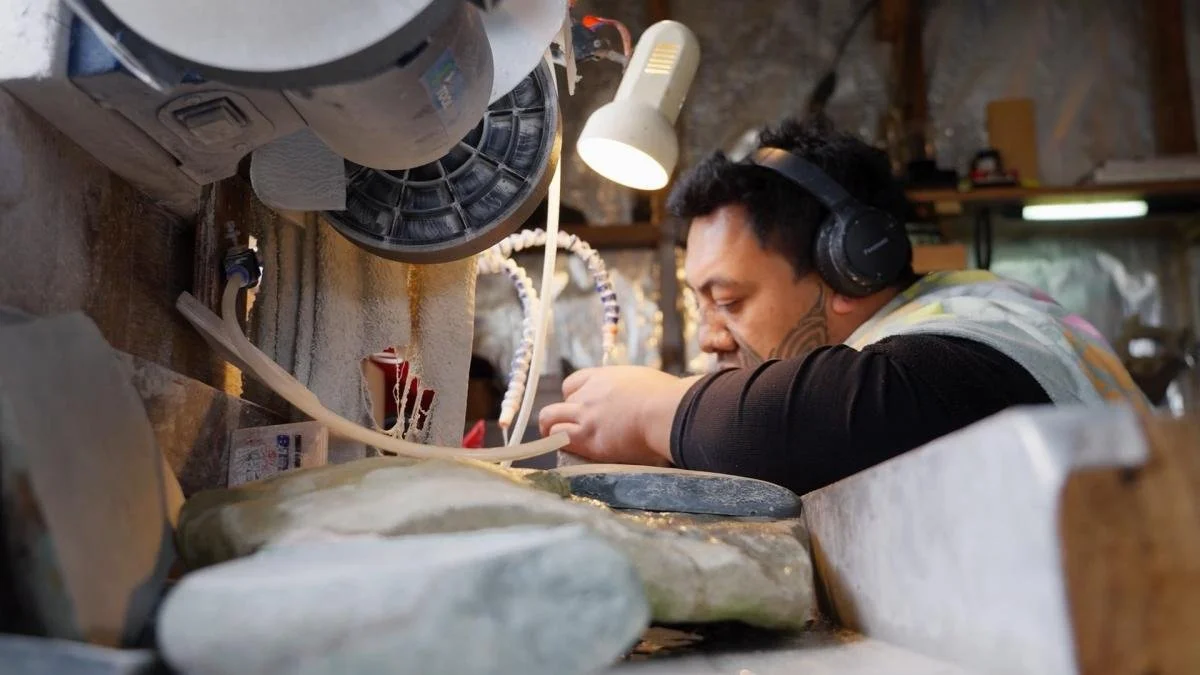
Pounamu carving
Carving pounamu is a skilled and respected art form. Master carvers, known as tohunga whakairo, use tools and water to carefully shape the stone. It takes time and patience, as pounamu is extremely hard.
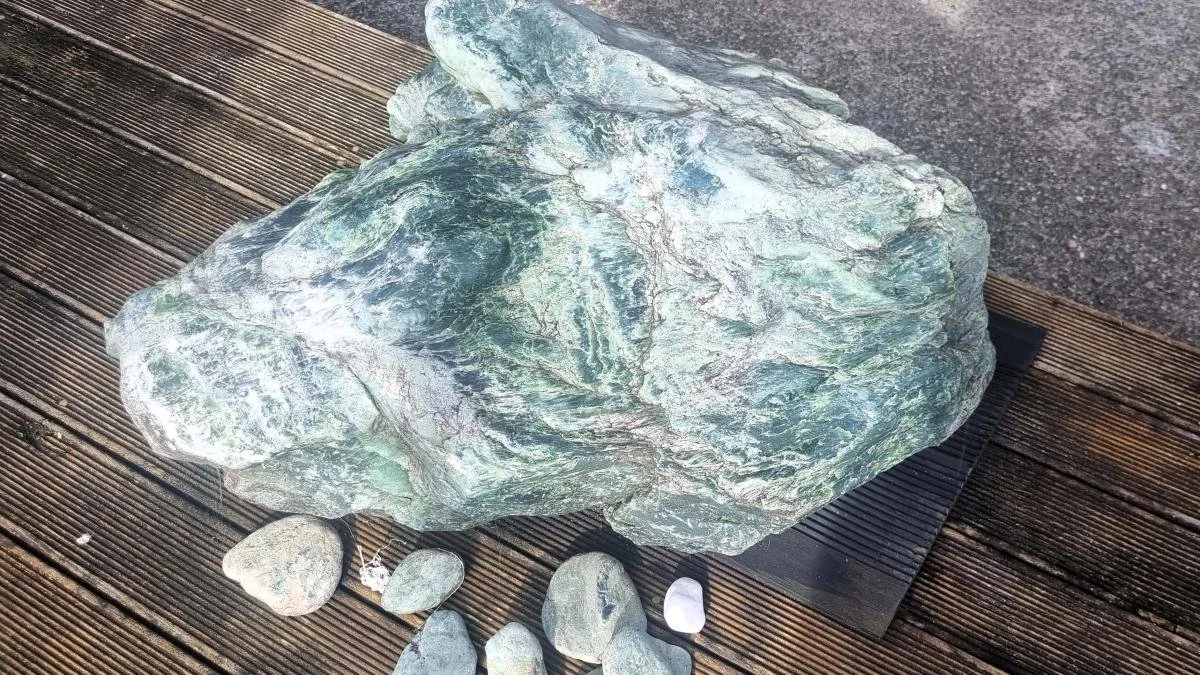
Geology of pounamu
Pounamu, also known as New Zealand greenstone, is a type of rock called nephrite jade. It’s found mostly in Te Waipounamu, the South Island, especially on Te Tai Poutini, the West Coast. Pounamu is one of the hardest and toughest stones in the natural world.
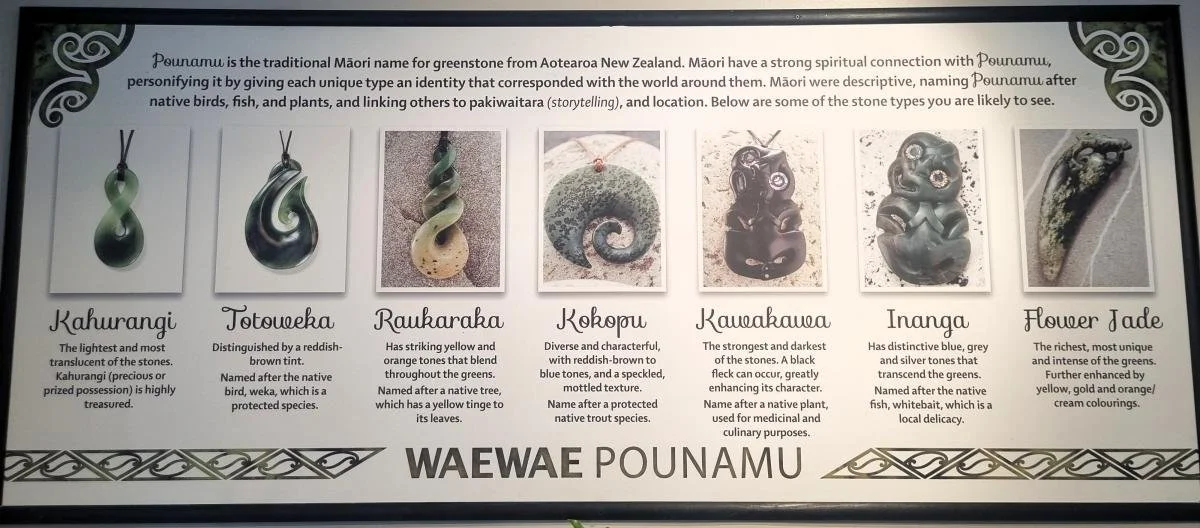
Types of pounamu
There are many different types of pounamu, each with its own colour, texture, and story.
Connect with field trip experts
Meet Ian
Ian grew up in Arahura. He is a peer support worker and stays connected to his community and heritage.
Meet Horiana
Horiana is a Ngāti Waewae kaumatua. She has a broad range of knowledge surrounding the history and whakapapa of Ngāti Waewae and pounamu.
Meet Aaron
Aaron is a kaiwhakairo at Waewae Pounamu.
Meet Katene
Katene is a kaiwhakairo who works out of his home studio in Hokitika.
Explore the field trip videos
Nau mai: Discovering the heart of pepeha
A pepeha is a traditional Māori way of introducing oneself, but it is more than just a simple introduction. It can establish identity, connections, whakapapa, and build relationships. It can also be expressed in many different ways.
What meaning does Ian give to pepeha?
What other ways can pepeha be expressed?
Spend some time sharing your pepeha with your classmates. If you do not have a pepeha, explore the possibility of creating one.
Pepeha – Te Whetū | Tainui, Tūhoe, Te Arawa, Kāi Tahu
Te Whetū from Hokitika Primary School shares her pepeha.
A kōrero about Poutini by Horiana
Pūrākau are more than narratives – they also serve as geological observations and knowledge. The pūrākau of Ngāti Waewae shape their identity and connection to pounamu and the surrounding land and waterways.
Who/what is Poutini?
Who is Waitaiki?
Discover pūrākau within your whānau or whakapapa.
He wāhine, he pounamu – A story about the women of pounamu
Horiana welcomes us to the Arahura awa, a river that features proudly in Ngāti Waewae pepeha. Here, Horiana shares Ngāti Waewae kōrero about three women with strong historical links to pounamu.
Who are the three wāhine and what is their ‘claim to fame’?
What colour did the kōhatu (stone) resemble that Hine-te-uira-i-waho used to weigh down her fishing net in the awa?
Why weren’t the men that Raureka met interested in her waiata?
He waiata nā Raureka: Te kaha o te pounamu | A song from Raureka: The strength of pounamu
Listen to Horiana sing the waiata of Raureka, which she sang to demonstrate the sharpness of her toki.
Ko Arahura te awa
The Arahura awa holds a central place in the cultural heritage of Ngāti Waewae. It is a sacred river that flows through the heart of Te Tai o Poutini and is known as the source of pounamu.
Why is the Arahura River such an important place for Ngāti Waewae?
What kinds of activities have people from the area traditionally done at the awa?
How does Ian describe the connection between the awa, pounamu, and identity?
He taonga whakaritea: The art and industry of pounamu
Step inside Waewae Studio in Arahura to see how raw pounamu is transformed into beautiful carved taonga.
Aaron takes us through the process – from slicing the stone and shaping designs to adding fine details, polishing, and ensuring each piece is genuine West Coast pounamu.
Where does the pounamu used at Waewae Studio come from, and how can customers check it’s genuine?
What tools and processes are used to cut, shape, and finish a piece of pounamu?
Why is water used when cutting and grinding the pounamu?
Te whare whakairo pounamu: A visit to the workshop of Katene
Welcome to the workshop of carver Katene, where pounamu is transformed into stunning taonga that weave together traditional styles and modern creativity. Katene shares his journey into carving and how each piece he creates carries a story – from its origins in the river to the special meaning it holds for its new owner.
How did Katene get started in pounamu carving?
In what ways does Katene combine traditional carving styles with his own modern ideas?
Why is it important to Katene that each taonga pounamu has a story or personal meaning?
Pounamu – he taonga tuku iho | Pounamu – an intergenerational treasure
Inside Taua Horiana’s whare, Horiana and carver Katene share the rich history and traditions of pounamu. They explore the many colours and forms of this treasured stone, its traditional uses as vital tools and weapons; and how, over time, those pieces were transformed into adornments that carry deep cultural meaning and mana.
What were some of the traditional uses of pounamu in the past?
How has the use and value of pounamu changed over time?
What connection does Katene explain between toki (adzes) and hei tiki?
Take the Google Earth tour
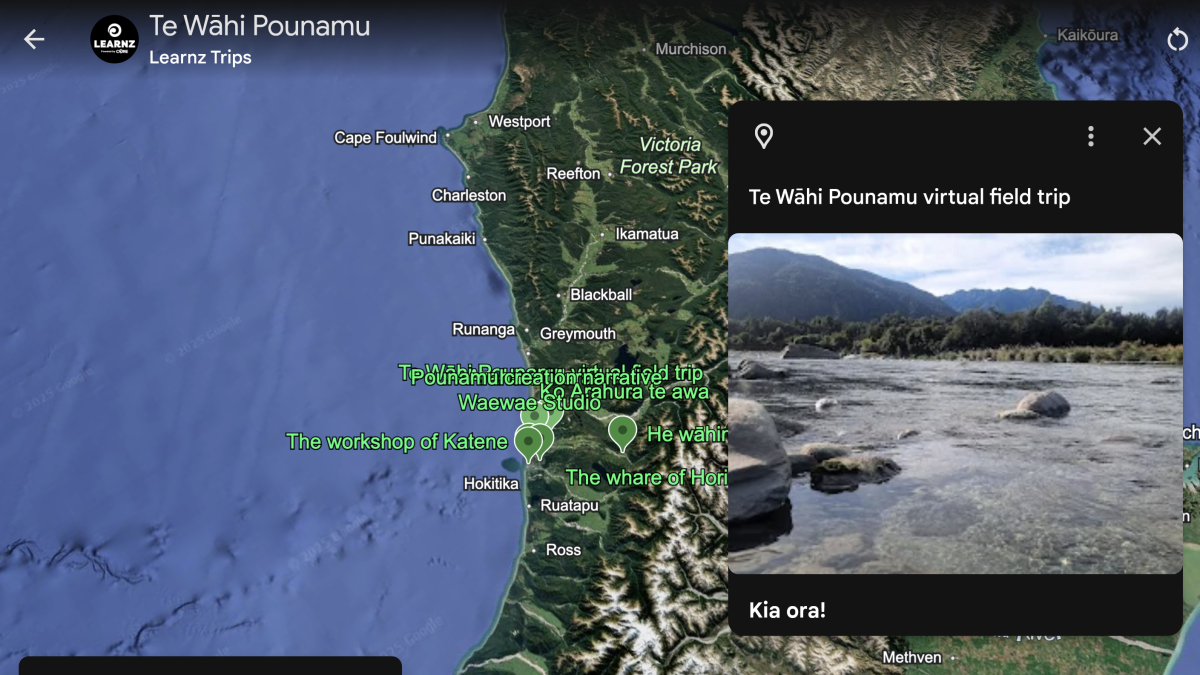
Take the Google Earth for Web Tour
A virtual tour of the field trip with GIS mapping, 3D locations, 360° panoramic images, videos, and further information.
Web conference
Replay the field trip web conference
Resources and links
Waewae Pounamu
The website of this hapū-owned business that ethically sources, carves and sells 100% authentic pounamu carvings.
Ngāi Tahu Pounamu
As well as items to buy, there is also information about pounamu guardianship and the pounamu origin narrative.
Opening of the Arahura Marae | YouTube
A video showing some of the construction, opening and significance of the Arahura Marae, and its connection to Ngāti Waewae.
Te Reo o te Māori 1973 | Ngā Taonga
An origin story about pounamu, in te reo Māori.
Glossary
Bowenite (Tangiwai) – A softer, glassier type of greenstone. It’s related to nephrite but not quite the same.
Hapū – A sub-tribe or large family group within an iwi (tribe).
Hei tiki – A greenstone pendant shaped like a small human figure, often worn for protection or connection to ancestors.
Īnanga – Pale grey-green or bluish pounamu; soft and glowing like whitebait.
Kahurangi – Clear, light green pounamu; the most prized kind.
Karakia – A prayer or blessing said to show respect, often before carving or gifting pounamu.
Kaitiaki – Guardians or protectors. People or beings who care for something precious, like pounamu or the environment.
Kawakawa – Dark green pounamu with black spots; named after a healing plant.
Kōhatu – A general word for stone. Some were used in daily life; others in rituals or ceremonies.
Kōkopu – Speckled pounamu like a trout; can be brown, red, or blue.
Koru – A spiral shape based on the unfurling silver fern. Represents new life, growth, and peace.
Mana – Prestige, power, or respect. Someone or something with mana is seen as having strong personal or cultural value.
Manaia – A carved figure with the head of a bird, a human body, and tail of a fish. A symbol of protection.
Matau – A fishhook-shaped pendant. Symbolises safe travel and a strong connection to the sea.
Mauri – The life force or energy inside all living (and some non-living) things – pounamu is believed to have its own mauri.
Nephrite jade – The scientific name for pounamu – a tough stone formed deep underground by heat and pressure.
Ngāi Tahu – The largest iwi (tribe) of Te Waipounamu (South Island), and the legal guardians of all pounamu in that region.
Ngāti Waewae – A hapū of Ngāi Tahu, based at Arahura on Te Tai Poutini, the West Coast of the South Island. They are guardians of pounamu in that region.
Patu – A short club made from pounamu, used as a weapon.
Pounamu – Also called greenstone or nephrite jade. A tough and beautiful stone found mostly in the South Island of New Zealand. Pounamu is considered a taonga (treasure) by Māori.
Putiputi (Flower Jade) – Bright green pounamu with gold and orange patterns. One of the most colourful types.
Rau kūmara – A twist design, representing friendship, love, and unity between two people.
Raukaraka – Yellow, orange, and green pounamu; like the leaves of a karaka tree.
Roimata – A teardrop shape, often symbolising healing and connection to the land.
Serpentine – A mineral that can look like pounamu but isn’t as tough or valuable.
Taonga – A treasure; something very special or important, often passed down through generations.
Taonga tuku iho – A treasure that has been handed down from the ancestors.
Te Tai Poutini – The West Coast of the South Island; a place where much of the pounamu is found.
Te Waipounamu – The Māori name for the South Island. It means “the waters of greenstone.”
Tikanga – Cultural practices and values – the “right way” to do things in Māori culture.
Tohunga whakairo – A master carver; someone highly skilled in the traditional art of carving.
Toki – An adze or tool shaped like a chisel; made from pounamu and used for carving or building.
Totoweka – Deep green pounamu with red or black patches; named after the blood of the weka bird.
Waka – A canoe. Waka were traditionally carved from wood using tools made from pounamu.
Whakairo – To carve or the process of carving, often with special meaning or design.
Whakapapa – A person’s genealogy or family tree. It connects people to their ancestors, stories, and land.