Preparing for Landslides
We can’t predict when natural disasters will occur, but we can prepare for them. One of the best places to start is with your home. Find out what you can do to make your home safer on the Natural Hazards Commission website.
Get ready before a landslide - kia rite!
Get your household ready. Work out what supplies you might need and make a plan together.

Your local Civil Defence Emergency Management Group can tell you if there have been landslides in your area before.
Know the warning signs so you can act quickly if you see them. Regularly check your property, especially after long dry spells, earthquakes or heavy rainfall. Talk to your whānau if you see:
Small slips and rockfalls.
Slumping or sinking (subsidence) at the bottom of slopes.
Doors and window frames that start to stick, or gaps developing around them.
Outside fixtures like steps, decks and verandahs moving or tilting away from your house.
New cracks or bulges on the ground, road or footpath.
Trees, retaining walls or fences that start to tilt.
Water flowing out of a slope, like a new spring.
Be alert when travelling, especially on roads with steep slopes or roadside cliffs. Watch the road for collapses, mud and fallen rocks.
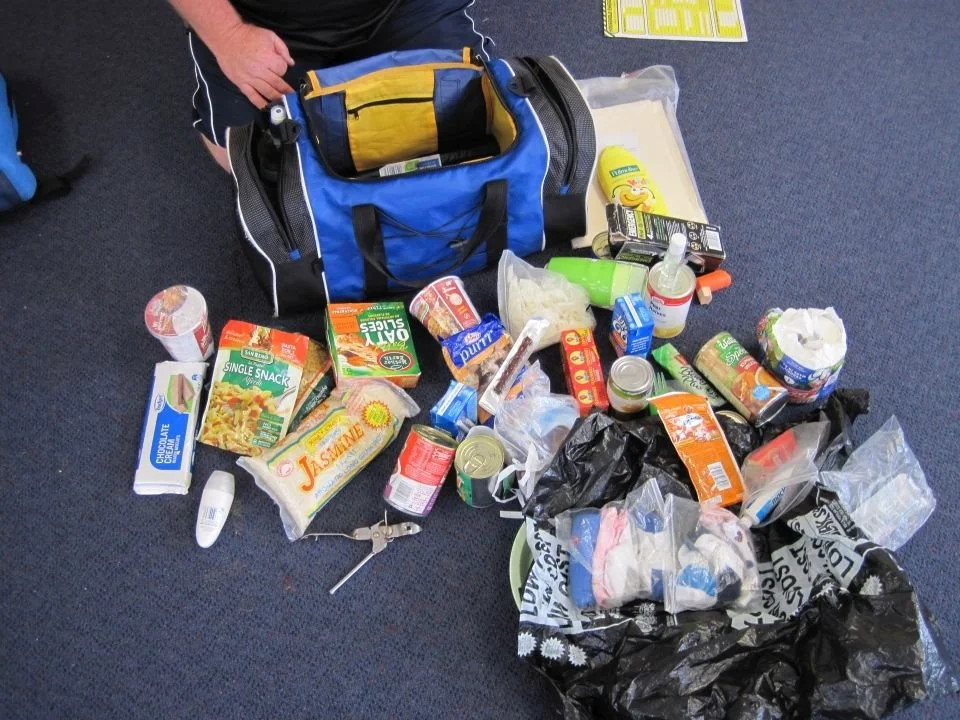
Think about what you and your whānau might need in your emergency supplies kit. Image: LEARNZ.
What to do during a landslide or if you think a landslide is about to happen
Move quickly out of the way. Landslides can travel fast and are very dangerous.
Tell an adult so they can call emergency services and warn neighbours.
Evacuate if your home is at risk – take your grab bag and pets if you can.
Stay away from the landslide area, as there may be further movement.
Landslides can cause serious damage to homes, roads, and power supplies, so being aware and ready helps keep you safe.
What to do after a landslide
Stay alert for future landslides.
Stay away from the landslide area until it has been properly checked, and the authorities give the all-clear.
Report power, water or internet outages
Don’t try to clear slips
Help others if you can, especially people who may need extra help.
Slips can be unstable and unpredictable. They can suddenly collapse, have falling debris or hide damaged underground services. They need to be assessed and cleared by trained council crews or contractors.
Landslides consist of heavy, waterlogged soil. Cleaning them up is best left to the experts. Soil, silt and woody debris can be contaminated.