The New Zealand environment can be challenging to travel through. Our road and rail networks need to be well designed to overcome these challenges. People also need to use public transport more to reduce traffic and air pollution.
New Zealand has many mountains and wetlands making it harder to travel. Roads and railway lines need to be well designed. With more people living in New Zealand we all need to think about using public transport more to reduce traffic and air pollution.
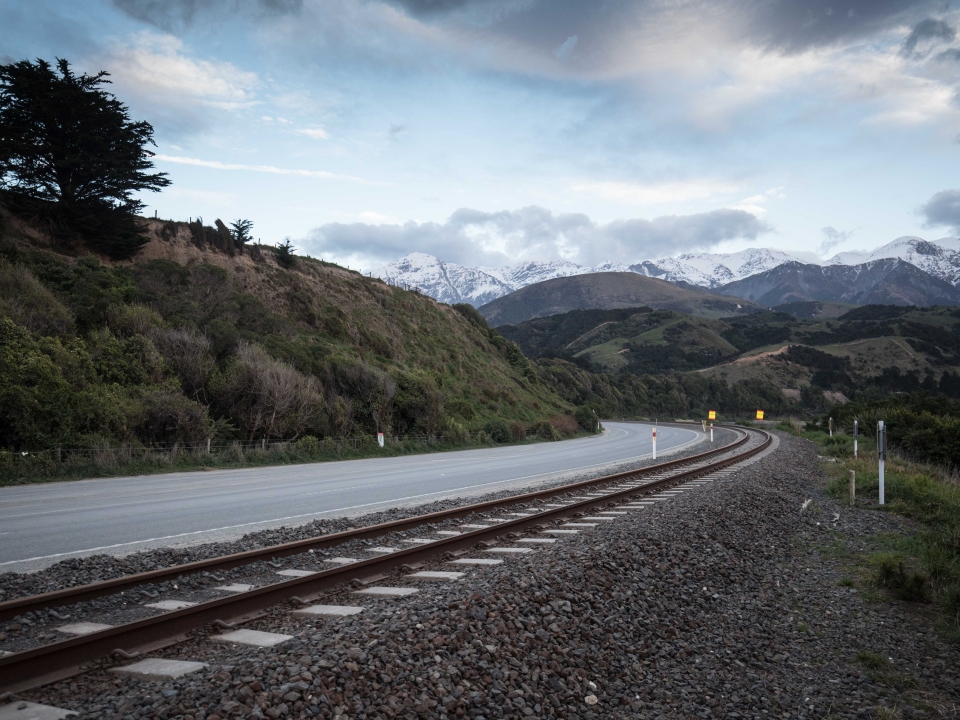
Because New Zealand has many mountains, long coastlines, forests and wetlands it is not the easiest country to travel through. Transport in New Zealand has changed a lot over time to deal with these challenges. Technology continues to improve the way we travel.
On this field trip you will look at the impact rail has had on this country and how it can provide more sustainable transport in the future.
History of transport in New Zealand
Before Europeans arrived, Māori either walked or used waka on rivers or along the coasts. Māori had well-known ara or paths which allowed travel inland. The first roads built in New Zealand followed these ara. Later, European shipping and railways changed the transport of goods and people.
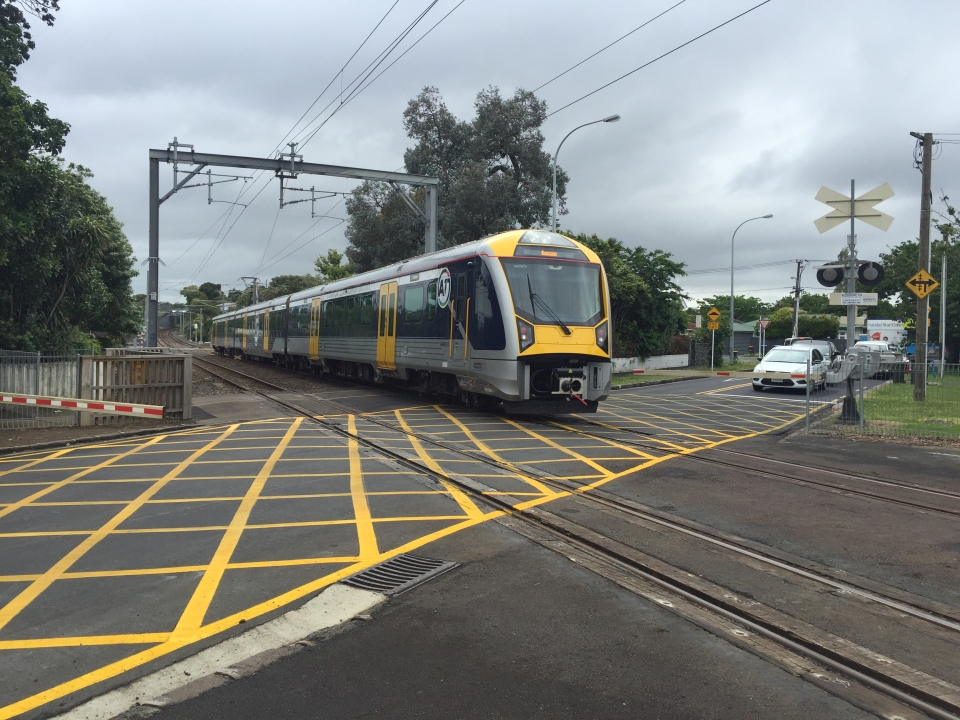
Now road and air travel are the most common forms of transport for people, while larger freight is carried by rail and ships. Wellington and Auckland have a suburban rail network offering an electric train service to passengers. These services have grown in popularity as more people are choosing to use public transport.
Public Transport
Using public transport is an easy way to travel and it can help reduce your impact on the environment.
Why take public transport?
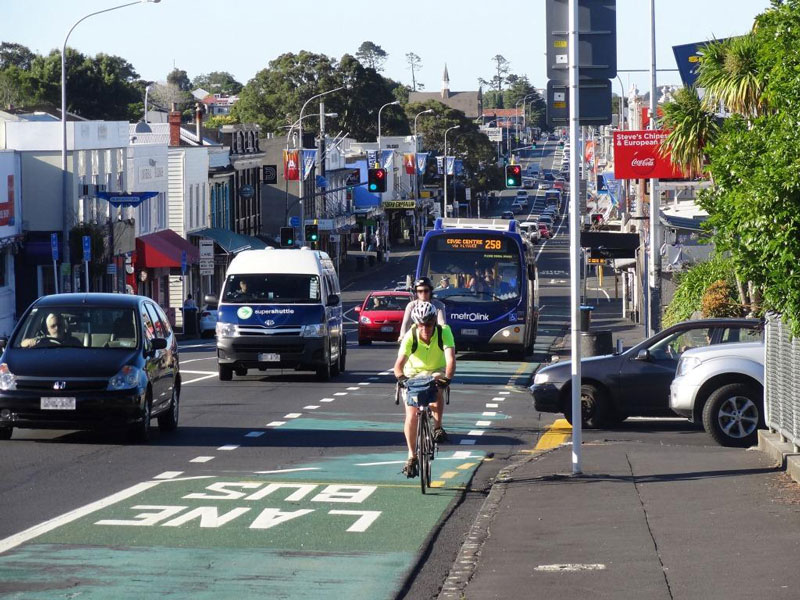
If a city is to work well it needs an effective public transport system. A good public transport network helps cities to become more successful. It provides better connections and accessibility.
Public transport helps:
- people to access places, people and services
- helps the economy as goods and services are easier to exchange
- reduces carbon emissions, using less fuel to move more people
- reduces road congestion.
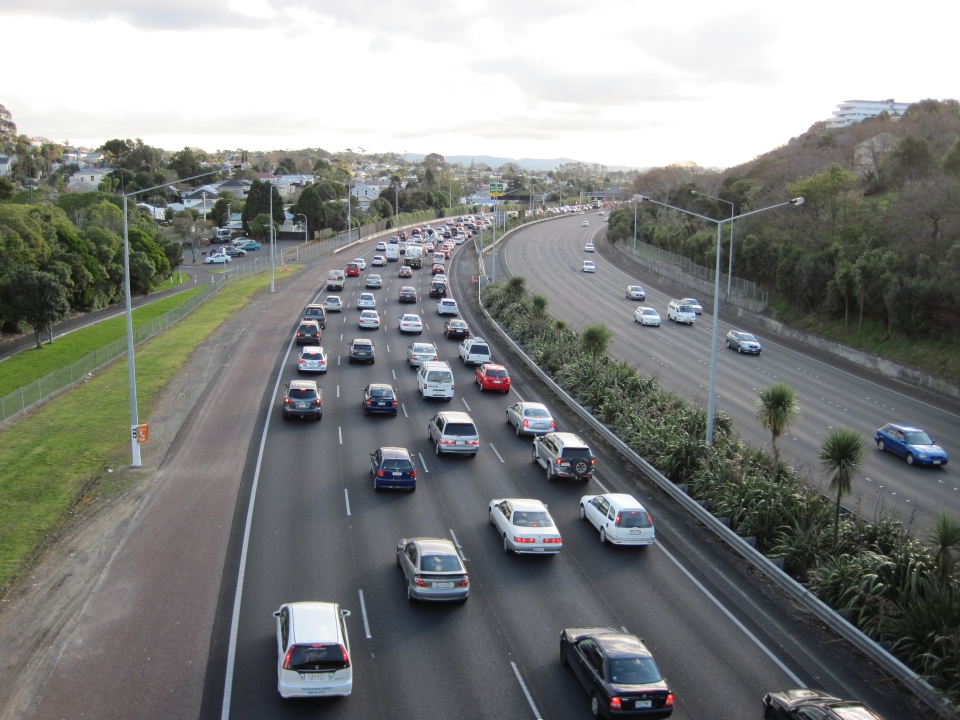
New Zealand has one of the highest proportions of people living in towns and cities, with around 86% of people living in urban areas. This is why we need an efficient and effective public transport network. This will allow people to make smarter choices about how they travel. If we increase our use of public transport and walk or bike instead of using the car, we reduce traffic congestion and pollution from car exhausts.
Public transport is more efficient. One bus or train will move more people a lot faster than lots of cars and won’t cause road congestion.
When people travel by rail rather than by road they reduce traffic even more. Trains can also carry a lot more people than buses.
Ready for a quiz? Try the 'New Zealand Transport' activity.
New Zealand has many mountains, long coastlines, forests and wetlands. This makes it harder to travel in New Zealand. Transport in New Zealand has changed a lot over time to deal with these challenges. Technology continues to improve the way we travel.
On this field trip you will look at the impact rail has had on this country. You will also see how rail can make transport more sustainable.
History of transport in New Zealand
Before Europeans arrived, Māori either walked or used waka on rivers or along the coasts. Māori followed ara or paths to reach inland areas. The first roads built in New Zealand followed these ara.
Later, ships and railways changed the way people and goods travelled.
Now road and air travel are the most common forms of transport for people. Large freight is carried by rail and ships.
Wellington and Auckland have an electric rail network. This means people can travel between suburbs and the city by rail.
Public Transport
Using public transport is an easy way to travel and it is better for the planet.
Why take public transport?
If a city is to work well it needs a good public transport system. Public transport helps makes cities more accessible.
Public transport helps:
- people to reach places, services and other people
- the economy as goods and services are easier to trade
- reduce air pollution by using less fuel to move more people
- reduce traffic.
In New Zealand most people live in towns and cities. This is why we need good public transport networks. This will allow people to make smarter choices about how they travel.
One bus or train will move more people a lot faster than lots of cars and will reduce the amount of traffic on the roads.
Ready for a quiz? Try the 'New Zealand Transport' activity.
When could you use public transport and what would be the benefits of using this form of transport.
When could you use public transport and what would be the benefits of using this form of transport.