

Pakake New Zealand sea lions
The return of a taoka species
About this field trip
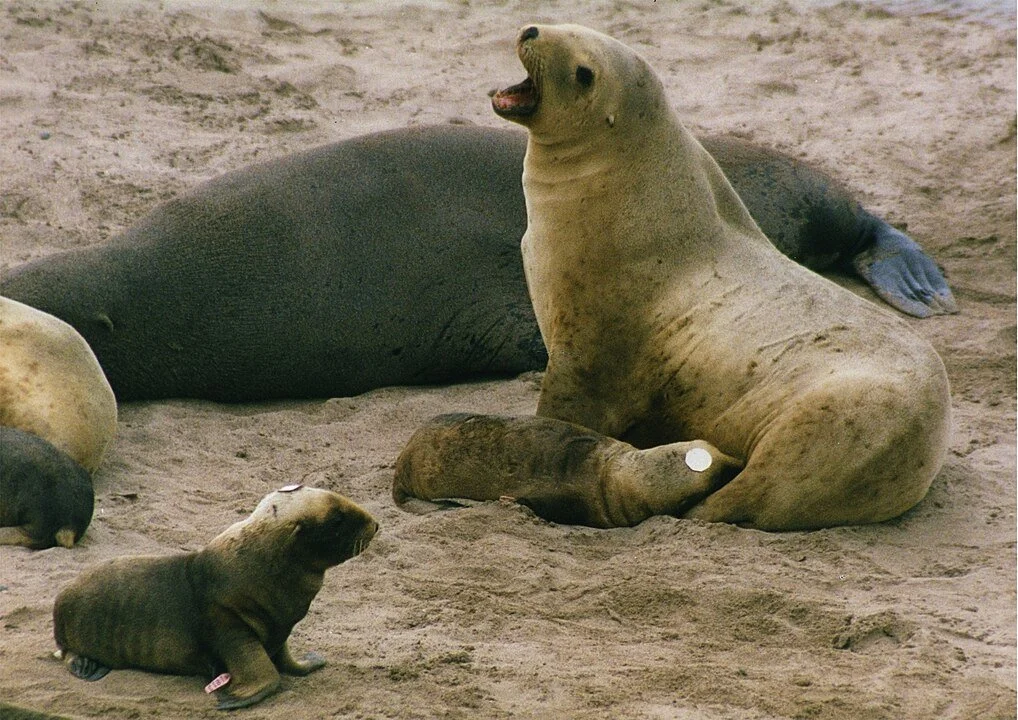
Join us on an immersive journey to locations around Ōtepoti Dunedin to find out about the population recovery of pakake New Zealand sea lion. Did you know that until 1993 no pups had been born on the mainland for 150 years? Find out about "Mum", the legendary mother sea lion who travelled 600km from the Auckland Islands to found a small but growing population on the mainland.
Meet iwi who have stories about pakake that go back generations. Find out how local rūnaka are rediscovering lost mātauraka and contributing to the protection of this endemic species. Meet scientists and other conservationists and find out why they are excited about the latest developments around this special mammal. This interactive field trip provides educators and ākonga with a wealth of engaging resources, including videos, images and GIS maps, to enhance your learning adventure.
Objective
Our goal is to inspire and educate ākonga across Aotearoa about the importance of saving our native marine species and the heritage stories that surround them. Through this virtual field trip, we aim to foster a deeper connection to te taiao, including marine environments. We hope young people will learn to value and respect our sea lions as they grow to understand their importance to the health of our oceans and to the unique culture of Aotearoa.
Key learning
Gain insights into mātauraka Kai Tahu, highlighting a historical connection to pakake.
Understand the complexity of marine ecosystems and their vulnerability.
Explore the interconnectedness of pakake New Zealand sea lions in the marine food web.
Understand the different points of view people have about marine life.
Foster understanding and raise awareness of our precious taoka species.
Student-led inquiry
Empower ākonga to take charge of their learning journey. Encourage them to ask meaningful questions, explore resources, and embark on their own conservation projects.
Curriculum alignment
This virtual field trip aligns with the refreshed New Zealand Curriculum (2022). It covers a range of learning areas, predominantly social sciences and science. Access guidance to support teaching and learning with a suggested framework, reflective questions, and activity ideas to complement the virtual field trip and align with curriculum goals.
Curriculum flexibility
Our field trips are cross-curricular learning experiences that can be adapted to different learning areas and progressions. You can develop your teaching approach to suit ākonga interests and needs.
Educator guide
-
Explore the social impacts and influences of conservation efforts for taoka/taonga species, highlighting the roles of organisations such as government agencies, local iwi, and community groups in land use and management. Encourage ākonga to dig deeper into the social and cultural aspects of kaitiakianga | environmental stewardship.
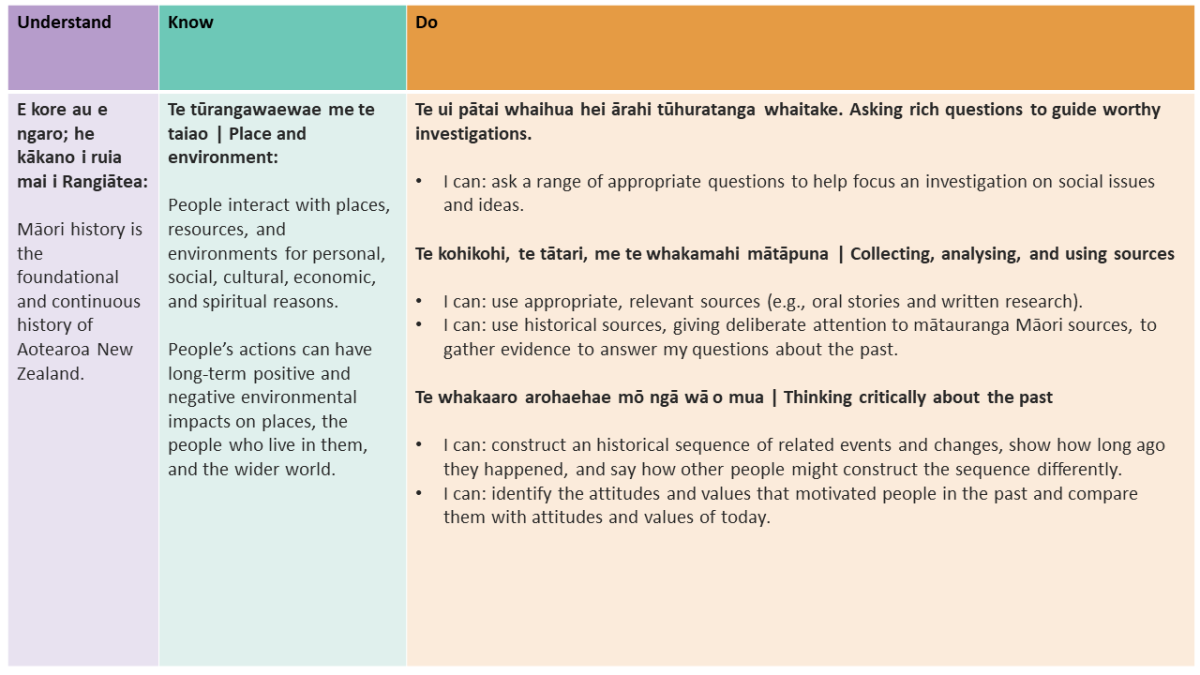
Example: This virtual field trip supports progress outcomes in Phase 2 (Years 4-6) of Te ao tangata | social sciences, defined by the Understand, Know, Do (UKD) framework.
-
This field trip focuses on the Living World strand, learning about ecosystem diversity and the impact of human activities on other species, including the significance of conservation.
The trip also supports the Nature of Science strand. Ākonga learn about the principles of scientific inquiry, the evolving nature of scientific knowledge, and the social value of science.
This field trip is aimed at years 4-8 (level 3) of the science learning area:
Ecology: Explain how living things are suited to their particular habitat and how they respond to environmental changes, both natural and human-induced.
Participating and contributing: Explore various aspects of an issue and make decisions about possible actions.
NELP Priorities
This field trip aligns with National Education Learning Priorities (NELP) by promoting learner-centred education and equitable access to knowledge. It enhances cultural diversity, fosters active learning, emphasises environmental sustainability, encourages community engagement, and develops cultural competence. It exemplifies NELP's holistic approach to education, encompassing these key priorities.
Te ao tangata | Social sciences example: This virtual field trip supports progress outcomes in Phase 2 (Years 4-6) of Te ao tangata | social sciences, defined by the Understand, Know, Do (UKD) framework.
Reflective teacher questions
Use the following reflective questions to guide your teaching practice:
How can I best support my ākonga in understanding the significance of the New Zealand pakake in our marine ecosystems and their cultural importance to Ngāi Tahu?
What strategies can I use to encourage critical thinking, problem-solving, and effective communication about the challenges faced by pakake and the efforts to recover their population?
How can I foster an inquiry-based approach that empowers ākonga to investigate historical and ecological significance of taonga species and their connection to the local community and iwi?
How can I facilitate ākonga-led exploration to deepen their understanding of the role they can play in the conservation efforts and the importance of preserving taonga species like the New Zealand pakake in our marine ecosystems?
A suggested teaching and learning framework
The following approach supports learning progressions in social sciences, aligns with the Understand, Know, Do (UKD) framework of Te Mātaiaho, and reflects the current science curriculum learning objectives by supporting critical thinking, independent inquiry, and collaborative investigation.
1. Introduce and explore
Begin by introducing the field trip objective, emphasising the importance of New Zealand pakake as taoka species and the crucial conservation efforts dedicated to their preservation.
Evaluate prior learning
Use the pre-trip survey (downloadable Word document) to assess ākonga understanding about concepts around pakake, taoka/taonga species, marine ecosystems, and conservation to stimulate interest in the trip. Copy and paste the questions and answers into an interactive platform like Kahoot!, Google Forms, or Quizlet for this activity.
Explore the profound cultural significance of pakake as a taoka species to Ngāi Tahu and delve into their distinctive habitats and ongoing conservation efforts that ensure their sustainability.
Ākonga can use Videos - Play & think (downloadable PDF) to take notes while watching the videos to help them remember key points and examples. Facilitate a group discussion to share findings and discuss the impact of the video on their understanding.
2. Extend learning
Involve ākonga in activities that stimulate discussions and foster deeper comprehension of key aspects which are explored during the pakake field trip, including the concept of a taoka/taonga species, marine ecosystems and ongoing conservation endeavours, with support from the resource Field trip activities.
Evaluate ākonga learning
Assess readiness and stimulate thinking about conservation-based, ākonga-led inquiry.
Use the post-trip survey (downloadable Word document) to gauge the depth and progress of ākonga learning concerning pakake, marine diversity, the significance of taoka/taonga species and conservation.
Use this Solo taxonomy rubric (downloadable Word document) to assess ākonga understanding of marine ecosystems, taoka/taonga species and conservation.
3. Enable ākonga-led inquiry
Empower ākonga to independently or collaboratively research and potentially contribute to conservation initiatives with a specific emphasis on protecting taoka/taonga species in Aotearoa.
Encourage ākonga to generate open-ended questions or challenges related to local biodiversity, conservation and the preservation of taoka/taonga species, taking into account cultural and social factors. For example:
Biodiversity: Why is biodiversity important in an ecosystem? How does biodiversity contribute to the strength and balance of the environment?
Conservation: What proactive measures can be taken to ensure the long-term survival of endangered taoka/taonga species in their natural habitats?
Ecosystems: How do changes in one part of an ecosystem impact the entire ecosystem, especially concerning taoka/taonga species?
Historical: What significant historical events or actions have influenced the biodiversity and conservation efforts of specific taoka/taonga species?
Cultural: What cultural values, beliefs, pūrakau, and practices of local iwi emphasise the significance of taoka/taonga species and guide their conservation efforts?
Social: How can tamariki help protect the environment and taoka/taonga species?
Encourage ākonga to explore topics, find information, connect with experts, and gather data for inquiries related to a taoka/taonga species, sustainability, and conservation.
4. Present and share
Assist ākonga to present and share their learning. This can include, digital storytelling, websites, podcasts, exhibitions, video, community engagement, news stories, artwork.
Evaluate ākonga learning
Assess ākonga-led inquiry, critical thinking and problem solving using this Solo taxonomy rubric (downloadable Word document) as a guide.
5. Reflect
Encourage ākonga to reflect on what they've learned about the sustainability and conservation of taoka/taonga species. How has their understanding of species and conservation efforts changed? What does this mean for their decisions and actions?

This field trip aligns with Goal 14: Life below water. It emphasises the significance of marine biodiversity, promoting awareness of conservation efforts to grow the mainland population of pakake New Zealand sea lions. By fostering understanding of the interconnectedness between land and marine ecosystems, it contributes to the broader global goals of preserving life below water and protecting life on land for sustainable development.
Discover more
Background reading, images, narrations and quizzes
Seals and sea lions of Aotearoa
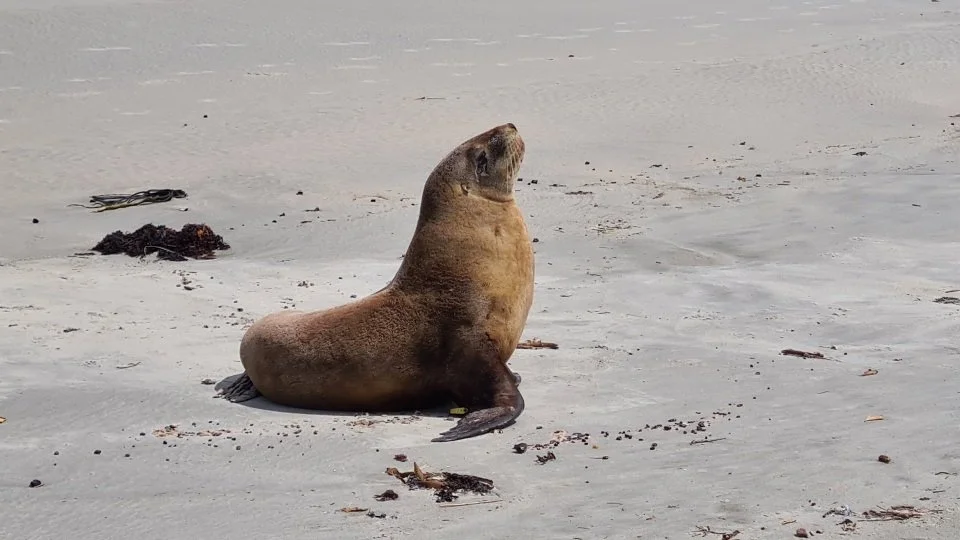
Seals and sea lions are like the cool kids of the mammal world – they rock fur, breathe air, and are total land pros. But guess what? They're also the MVPs of the swimming and diving scene.
Connect with field trip experts
Insights into people and their careers, and replay the Q&A podcasts.
Rauhina (Kāi Tahu, Kāti Māmoe, Waitaha) is a Māori Archivist at Hocken Collections Te Uare Taoka o Hākena, a research library, historical archive and art gallery based in Ōtepoti Dunedin.
Jim has been a coastal ranger for Te Papa Atawhai the Department of Conservation in the Ōtepoti Dunedin area for 25 years.
Robyn (Ngāi Tahu) and her whānau have lived in Taieri for six generations and they are kaitiaki of the area.
Rachel is an archaeologist. She and her whānau have a long-standing association with pakake in Ōtākou, where they have resided for generations.
Koreana has a passion for conservation. She grew up around pakake, has seen their numbers slowly increase and takes opportunities to help protect them.
Mike works for the New Zealand Sea Lion Trust.
Korako had an early interest in the environment and being outdoors. He has followed these passions and now works as a Kaiārahi Taiao, Environmental Advisor.
Suzi lives in Karitane, a known spot for pakake, and is active with conservation of the area and the wildlife living within it. the New Zealand Sea Lion Trust.
Georgia-Rae grew up in Karitane, a known spot for pakake.
Field trip videos
Videos and more showcasing places, people, ideas and initiatives on this field trip
Pakake the New Zealand sea lion was once found along the entire length of the Aotearoa New Zealand coast and subantarctic islands. Their numbers were greatly impacted by human predation. Until recently they have been reported on the Aotearoa mainland only as stragglers from the subantarctic islands. Their numbers were greatly impacted by human predation. Until recently they have been reported on the Aotearoa mainland only as stragglers from the subantarctic islands. This video explores the return of pakake to mainland Aotearoa.
Until 'Mum' gave birth to a pup here at Taiari, about how many years had it been since pakake had bred on mainland Aotearoa?
Are there endangered species living near you? What does it mean to you to be living within the same environment as these species?
Pakake return to the mainland
Monitoring pakake is an important job in helping this critically endangered species recover.
Female pakake go inland to have their pups. Why do they do this? What possible threats might this create?
What effect can the 'rough and tumble' nature of pups have on their identification?
Monitoring pakake
Whānau connection, Mātauranga Māori and science knowledge provide a unique insight as to why pakake are so important.
How were pakake an important resource for southern Te Waipounamu tupuna?
Traditional Māori uses and values for pakake
Koreana has a passion for conservation. She grew up around pakake, has seen their numbers slowly increase and takes opportunities to help protect them. This video explores more about her about the work she is doing with and for pakake.
What impact do you think working directly with an endangered species would have on you?
Are there conservation projects near you that you could get involved in?
Growing up with pakake
The awa and moana here in Karitane are Suzi and Georgia-Rae's playground. Waka ama, surfing and diving are some of their pastimes, yet they are mindful of the fact that these so-called playgrounds are in fact homes for species such as pakake.
What does this video make you think about when sharing the natural habitat of wildlife species?
Discuss interactions you have had with wildlife when you have been in their environment.
Sharing the moana with pakake
Despite a frightening encounter with a pakake as a youngster, Korako has taken opportunities to work up close with pakake. He has been involved in sea lion pup tagging both around the Otago coastline and on Rakiura Stewart Island.
Do any native species feature in a place name near you?
What does working with and helping pakake mean to Korako?
Working with pakake
A lot of our own behaviour around pakake is about the need to show respect when we are entering their environment.
If a pakake does decide to engage with you, what is Mike's advice?
What is the recommended distance to keep from pakake on the beach?
How to behave around pakake
Brauhina, Māori Archivist at Hocken Collections Te Uare Taoka o Hākena, talks about the work of James Herries Beattie and why having this mātauraka is so valuable.
How is the information from Herries Beattie beneficial for people today?
How is learning about a species such as pakake helpful?
Reclaiming mātauraka Māori of pakake
Take the Google Earth tour
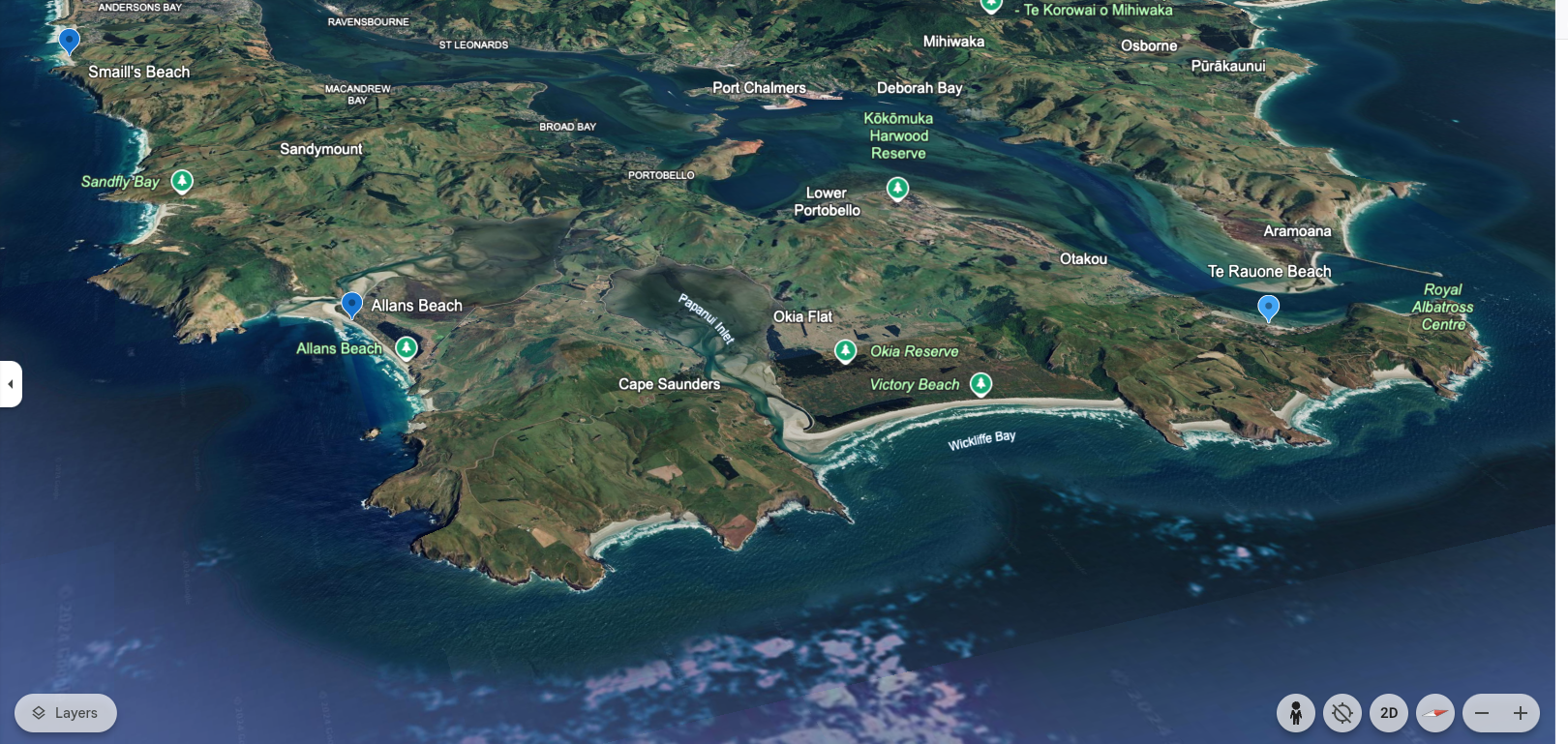
Take the Google Earth web tour
Take a virtual tour of the Pakeke New Zealand Sealions field trip with GIS mapping, 3D locations, images, daily diaries and video.
Web conference
Replay the web conference with Rauhina from Hocken Collections and Hanna from the New Zealand Sea Lion Trust
Questions asked by schools for this web conference
Omakau School: Year 5-8
Why are sea lions endangered?
How do sea lions communicate with each other?
What happens when a sea lion gets sick?
Do sea lions have a self defence system when they are threatened?
Where do sea lions come in the food chain? What is their main predator?
Rai Valley Area School: Year 7-8
How has the changing environment or beach use affected the pakake?
Has climate change made a difference?
Does DOC or anyone else do anything to keep sea lion mums and pups safe when they are away from the sea?
Do pakake hunt and travel in groups?
How do you tell the difference between male and female pakake?
Field trip activities
The following activities are designed to foster ākonga understanding of marine ecosystems, taoka/taonga species, and conservation in years 4-8, but can be adapted for use across different year levels. They align with the Te Mātaiaho refreshed New Zealand Curriculum's Understand, Know, Do (UDK) framework to support learning progress.
Kaiako can use the Pakake, New Zealand sea lions field trip materials to facilitate discussions and stimulate critical thinking among ākonga, using activities to launch into more in-depth exploration. The Solo taxonomy rubric (below) is an assessment tool that can be used to meet the specific needs of different learning levels and styles.
Group discussion and presentation
Divide ākonga into small groups.
Assign each group a specific aspect of the Pakake, the New Zealand sea lion field trip, such as taoka/taonga species, marine ecosystems, habitats, or conservation efforts.
Each group discusses their topic and prepares a short presentation. This could be an audio, video, slide deck, static image, animation, or other.
Understanding a taoka/taonga species
Use the Investigation: Taoka/Taonga species (downloadable Word document) to help ākonga record their thinking and ideas about taoka/taonga species. They can use this to springboard into inquiry.
Eco-explorer journal
Ākonga can be eco-explorers, recording their observations, drawings, and reflections on pakake, marine ecosystems, and conservation during the virtual field trip.
Habitat diorama
Research pakake habitats, including environmental features and surroundings.
Ākonga create and share habitat diorama of a sea lion colony, identifying and illustrating environmental features.
Marine ecosystems board game
Design a board game that simulates a marine ecosystem. Players take on the roles of pakake, other marine creatures, and people.
Ākonga to consider how they could win the game by building healthy ecosystems or how they might lose by having their ecosystem disturbed or degraded.
The game can highlight the interdependence of species and the impact of human activity.
Presenting the pakake
Support ākonga to carry out individual or group projects focused on different aspects of pakake (example: life cycle, behaviour, diet, cultural significance, pūrakau).
They can use a variety of sources (including virtual field trip resources) to gather information and present their findings.
Artistic expression
Encourage ākonga to explore different aspects, such as the life of pakake, the challenges they face, or their importance as a taoka species to Ngāi Tahu.
Ākonga to create artwork, poems, or short stories inspired by the virtual field trip.
Conservation campaign
Challenge ākonga to design a campaign that promotes conservation efforts to sustain pakake or a taoka/taonga species of their own choice, or a local conservation effort.
Their campaign should convey the importance and reasons for protecting these species in Aotearoa.
Community outreach
Investigate community-based conservation efforts that focus on cleaning and preserving important habitats for local species.
Explore active engagement in community initiatives by investigating local conservation activity and participating in local actions.
Taoka/Taonga species quiz show
Create teams of ākonga and ask questions related to taoka/taonga species, marine ecosystems and conservation.
Use a digital platform, buzzers or a whiteboard for teams to record their answers.
Ecological comprehension
Use this Solo taxonomy rubric (downloadable Word document) to assess ākonga understanding of marine ecosystems, taoka/taonga species, and conservation.
Resources and links
Taonga Species Series
NIWA presents articles and resources related to culturally significant species in Aotearoa.Marine ecosystem
A Science Learning Hub interactive resource.New Zealand's marine biodiversity
The Department of Conservation’s (DOC) page about New Zealand’s marine biodiversity.New Zealand sea lion / pakake / whakahao
DOC outlines how New Zealand sea lions are one of the rarest sea lion species in the world and are only found in New Zealand.The sea lions next door
New Zealand Geographic article about how sea lions are coming home to the coasts of southern New Zealand, returning to their former territory after more than 300 years in exile.Story: Seals
From Te Ara: Encyclopedia of New Zealand.Back from the Brink – Sheltering New Zealand’s Endangered Pakake
Auckland Zoo Wildlife Conservation work captured in text, images and video.Ministry for the Environment – educational resources
Educational resources to help ākonga, teachers and communities contribute to the future wellbeing of the environment.The New Zealand Sea Lion Trust
Founded in 2003, The New Zealand Sea Lion Trust was established to provide protection to and education about this critically endangered marine mammal species
Glossary
Auckland Islands
The Auckland Islands are an archipelago (collection of islands) of New Zealand, lying 465 kilometres south of the South Island.
carnivore
An animal that mostly eats meat, or the flesh of animals. Sometimes carnivores are called predators.
endemic
If an animal or plant is endemic, it is found only in that place or country.
harem
A group of two or more females with a male in attendance.
holistic
When the parts of something are interconnected.
juvenile sea lion
A sea lion that has not yet reached its adult form, sexual maturity or size.
mainland
Large landmass or land covering a continent, as opposed to islands off its coast.
mammal
Mammals include humans and all other animals that are warm-blooded vertebrates (vertebrates have backbones) with hair. They feed their young with milk and have a more well-developed brain than other types of animals.
mane
Long and heavy hair growing about the neck and head of some mammals.
marine ecosystem
a special community of living organisms that exists in the ocean or other saltwater environments. Just like the ecosystems on land, marine ecosystems include plants, animals, and microorganisms that interact with each other and their surroundings.
nationally critical
The most severely threatened, facing an immediate high risk of extinction (see Conservation status of plants and animals for more information on the New Zealand Threat Classification System).
pack ice
A mass of floating ice that is found in polar oceans, mainly in the Arctic and Antarctic regions. This ice consists of a mixture of icebergs, ice floes and sea ice that have frozen together.
pelt
The furry skin or fur of an animal, especially when it has been removed from the animal's body.
pinniped
A type of marine mammal that has a streamlined body and fins for limbs.
SLEDs (sea lion exclusion devices)
A special underwater fence that helps fishermen catch fish without sea lions accidentally getting caught in the nets.
Subantarctic
Places that are close to but not right in Antarctica. It's like being in a cooler zone near Antarctica, where you might find unique plants, animals and chilly weather.
trawl fishing (trawling)
A method of fishing that involves pulling a fishing net, that is heavily weighted to keep it on the seafloor, through the water behind one or more boats.